How To Reduce Hormonal Imbalance?
Discover effective ways to reduce hormonal imbalance through diet, lifestyle changes, and medical treatments. Learn the common symptoms, causes, and when to consult a healthcare provider.

Written by Dr. Siri Nallapu
Reviewed by Dr. Shaik Abdul Kalam MD (Physician)
Last updated on 6th Mar, 2026

Introduction
Hormonal imbalance is a common issue that affects many people, often leading to various health concerns. Hormones are chemical messengers that regulate essential bodily functions like metabolism, mood, reproduction, and growth. When these hormones are out of balance, it can cause a range of symptoms that impact daily life. The good news is that with the right approach, hormonal imbalances can often be managed effectively.
Understanding Hormonal Imbalance
Hormonal imbalances occur when there is too much or too little of a hormone in the bloodstream. Since hormones play a crucial role in overall health, even small imbalances can cause significant effects.
Common Symptoms of Hormonal Imbalance
Weight gain or difficulty losing weight
Fatigue and low energy levels
Mood swings, anxiety, or depression
Irregular or heavy periods (in women)
Acne or skin issues
Hair loss or thinning hair
Sleep disturbances (insomnia or poor sleep quality)
Digestive problems
Low libido (reduced sex drive)
Causes of Hormonal Imbalance
Several factors can contribute to hormonal imbalances, including:
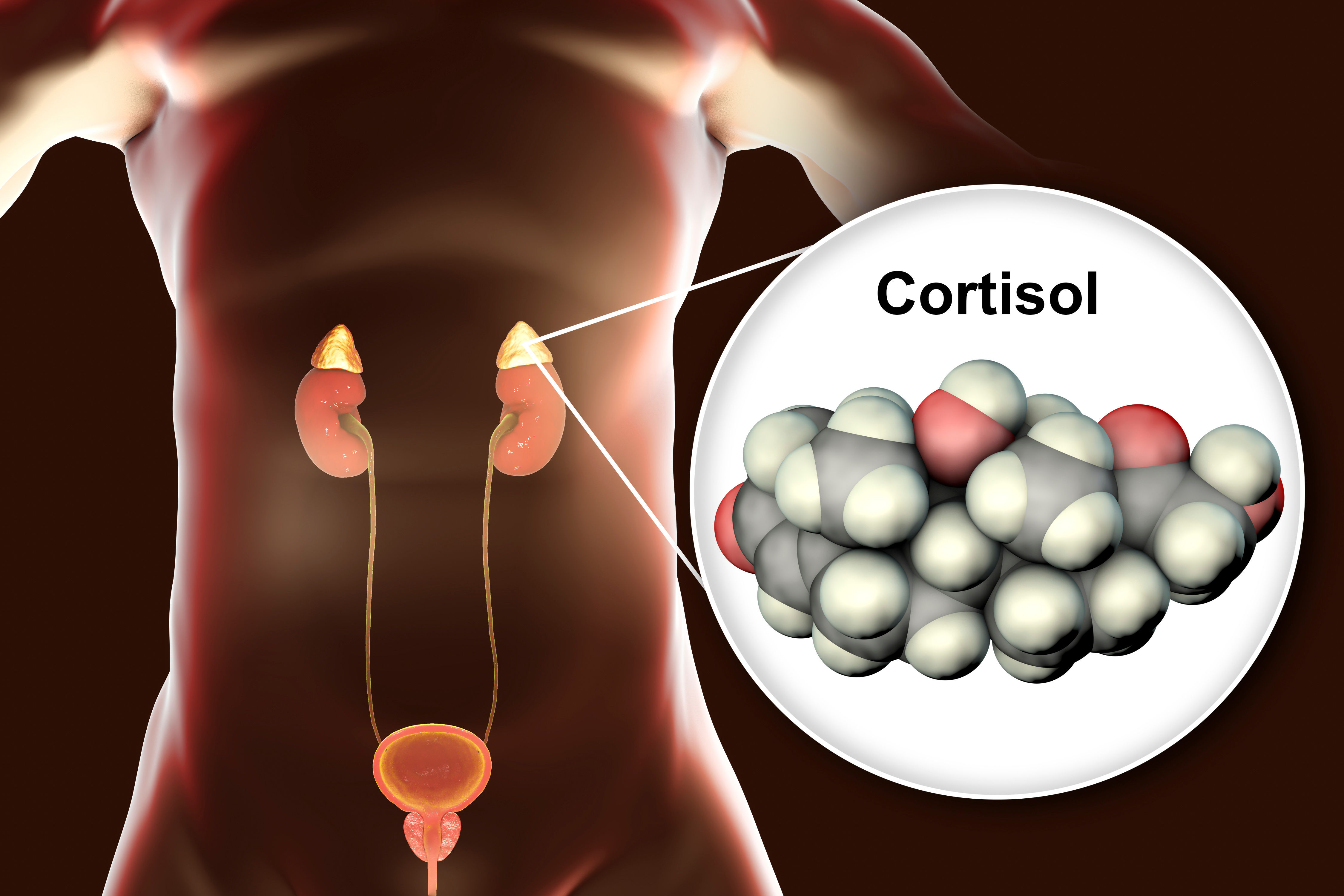
Stress: Chronic stress increases cortisol, disrupting other hormones.
Poor diet: Processed foods, sugar, and unhealthy fats can affect hormone production.
Lack of sleep: Poor sleep disrupts melatonin and cortisol levels.
Sedentary lifestyle: Lack of exercise affects insulin and other hormones.
Medical conditions: PCOS, thyroid disorders, diabetes, and menopause can cause imbalances.
Environmental toxins: Exposure to chemicals in plastics, cosmetics, and pollution can interfere with hormones.
Ways to Reduce Hormonal Imbalance
Reducing hormonal imbalance can be achieved through a combination of lifestyle changes, dietary adjustments, stress management, and natural remedies that promote overall hormonal health and stability.
1. Eat a Balanced Diet
A nutritious diet plays a vital role in maintaining hormonal balance. Focus on:
Healthy fats (avocados, nuts, olive oil, and fatty fish) to support hormone production.
High-fiber foods (vegetables, fruits, whole grains) to regulate blood sugar and insulin.
Lean proteins (chicken, fish, beans, lentils) to stabilize hunger hormones.
Probiotic-rich foods (yogurt, kefir, sauerkraut) for gut health, which influences hormones.
Reducing sugar and processed foods to prevent insulin resistance.
2. Manage Stress Effectively
Chronic stress raises cortisol levels, which can disrupt other hormones like estrogen and progesterone. Try:
Meditation or deep breathing exercises
Yoga or stretching routines
Regular walks in nature
Adequate sleep (7-9 hours per night)
To Reduce Hormone Imbalance Consult Top Gynaecologists
3. Exercise Regularly
Physical activity helps regulate insulin, cortisol, and other hormones. Aim for:
Moderate exercise (walking, swimming, cycling) for 30-45 minutes daily.
Strength training (2-3 times a week) to boost metabolism and balance hormones.
4. Improve Sleep Quality
Poor sleep affects hormones like melatonin, cortisol, and growth hormone. Tips for better sleep:
Stick to a consistent sleep schedule.
Avoid caffeine and screens before bedtime.
Keep your bedroom cool, dark, and quiet.
Try relaxation techniques before bed.
5. Avoid Harmful Chemicals
Many everyday products contain endocrine-disrupting chemicals (EDCs) that interfere with hormones. Reduce exposure by:
Using glass or stainless-steel containers instead of plastic.
Choosing natural skincare and cleaning products.
Eating organic foods when possible to avoid pesticides.
6. Stay Hydrated
Water helps flush out toxins and supports hormone transport. Drink at least 8-10 glasses of water daily.
7. Consider Supplements (After Consulting a Doctor)
Some supplements may help balance hormones, such as:
Omega-3 fatty acids (for inflammation and hormone regulation).
Vitamin D (supports thyroid and reproductive hormones).
Magnesium (helps with stress and sleep).
Adaptogenic herbs (ashwagandha, maca, or rhodiola for stress and hormone balance).
8. Monitor Your Hormone Levels
If symptoms persist, consult a doctor for tests like:
Thyroid function tests
Estrogen, progesterone, and testosterone levels
Cortisol and insulin tests
When to See a Doctor?
If lifestyle changes don’t improve your symptoms, or if you experience:
Severe fatigue
Unexplained weight changes
Irregular periods or fertility issues
Extreme mood swings
Persistent acne or hair loss
It’s best to consult a healthcare professional for proper diagnosis and treatment.
Book a Consultation with Apollo 24|7
If you suspect a hormonal imbalance, Apollo 24|7 offers easy online consultations with expert doctors. You can also schedule lab tests to check your hormone levels from the comfort of your home.
Conclusion
Hormonal imbalances can be frustrating, but with the right lifestyle changes, they can often be managed effectively. Eating well, reducing stress, exercising, and getting enough sleep are key steps toward restoring balance. If symptoms persist, don’t hesitate to seek medical advice.
Take charge of your hormonal health today, small changes can make a big difference!
Consult Top Gynaecologists
Consult Top Gynaecologists

Dr. Abhishek Daga
Obstetrician and Gynaecologist
20 Years • MBBS, MS (Obstetrics & Gynaecology)
Kolkata
Gynae Care Fertility Centre, Kolkata
(150+ Patients)

Dr. Sunabha K Ghosh
Obstetrician and Gynaecologist
9 Years • MBBS, MS (Obstetrics & Gynaecology), DNB (Obstetrics & Gynaecology), MIAGE, RCOG Associate [UK]
Kolkata
Gajanan Multispeciality Clinic, Kolkata

Dr. Pritam Dey
Obstetrician and Gynaecologist
6 Years • MBBS, MS (Obstetrics & Gynaecology)
Kolkata
VDC Clinic, Kolkata
Dr. Mona Yadav
Obstetrician and Gynaecologist
19 Years • MBBS, MD (Obstetrics & Gynaecology)
Dombivli
Nulife multispeciality, Dombivli
Dr. Smita B Kalappa
Obstetrician and Gynaecologist
13 Years • MBBS, MS(OBG & GYN), DNB(OBG & GYN), MRCOG, Fellowship in gynaecological endoscopy
Bengaluru
Apollo Clinic, JP nagar, Bengaluru
To Reduce Hormone Imbalance Consult Top Gynaecologists
Dr. Abhishek Daga
Obstetrician and Gynaecologist
20 Years • MBBS, MS (Obstetrics & Gynaecology)
Kolkata
Gynae Care Fertility Centre, Kolkata
(150+ Patients)
Dr. Sunabha K Ghosh
Obstetrician and Gynaecologist
9 Years • MBBS, MS (Obstetrics & Gynaecology), DNB (Obstetrics & Gynaecology), MIAGE, RCOG Associate [UK]
Kolkata
Gajanan Multispeciality Clinic, Kolkata
Dr. Pritam Dey
Obstetrician and Gynaecologist
6 Years • MBBS, MS (Obstetrics & Gynaecology)
Kolkata
VDC Clinic, Kolkata
Dr. Mona Yadav
Obstetrician and Gynaecologist
19 Years • MBBS, MD (Obstetrics & Gynaecology)
Dombivli
Nulife multispeciality, Dombivli
Dr. Smita B Kalappa
Obstetrician and Gynaecologist
13 Years • MBBS, MS(OBG & GYN), DNB(OBG & GYN), MRCOG, Fellowship in gynaecological endoscopy
Bengaluru
Apollo Clinic, JP nagar, Bengaluru