


Guide to Are You Pregnant Take Care Your Diet
Expecting? Our essential guide covers everything you need to know about diet and nutrition during pregnancy. Learn which foods to embrace and which to avoid for a healthy baby and a smooth pregnancy journey. Get expert tips and a safe food list!

Written by Dr. Rohinipriyanka Pondugula
Reviewed by Dr. Vasanthasree Nair MBBS
Last updated on 14th Jan, 2026
Introduction
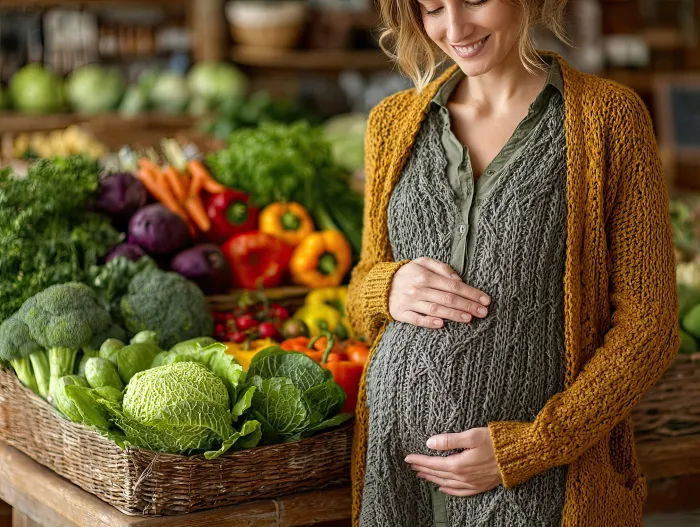
Finding out you’re pregnant is exciting—and a little overwhelming. One of the most important steps you can take right now is taking care of your diet. A balanced, evidence-based pregnancy diet supports your baby’s brain, bones, and organs while keeping your energy steady and your immune system strong. The good news? You don’t need complicated rules. Small, consistent choices add up, and the right plate can ease common symptoms like morning sickness, constipation, and heartburn.
In this complete guide, you’ll get a trimester-by-trimester plan, nutrients that matter (like folate, iron, iodine, choline, omega-3 DHA, and vitamin D), food safety tips, a simple sample menu, and smart swaps for vegetarian and vegan diets. You’ll also learn what to limit or avoid (caffeine, high-mercury fish, unpasteurised foods) and when supplements or lab tests make sense. If you’re already dealing with symptoms or special situations (gestational diabetes, anemia), we include practical, doctor-approved advice—and where to get help if you need it. Let’s make your pregnancy diet nourishing, doable, and tailored for real life.
Start Here: A Safe, Balanced Diet for Every Pregnant Body
A practical way to approach a pregnancy diet is the “pregnancy plate method”: half your plate vegetables and fruit
(varied colors), a quarter protein, and a quarter whole grains or starchy veg, plus a thumb-sized portion of healthy fat.
This visual keeps your micronutrients (like folate, iron, and vitamin C) steady while providing fiber for digestion and
protein for growth .
The pregnancy plate method (half plants, quarter protein, quarter grains)
Half plants: Think spinach, carrots, bell peppers, tomatoes, citrus, berries, bananas—aim for “eat the rainbow” to cover
vitamins and antioxidants. A cup of cooked leafy greens plus a citrus fruit boosts iron absorption.
Quarter protein: Eggs, chicken, fish (low-mercury types), tofu, beans, or lentils. Protein supports fetal and maternal
tissue growth; most pregnant adults need around an extra 25 g/day (often totaling ~70–80 g/day) .
Quarter whole grains or starch: Brown rice, whole-wheat roti, oats, quinoa, millet, sweet potato. These provide long-
lasting energy and B vitamins.
How much do you really need? Calories and portions
In the first trimester, many pregnant adults don’t need extra calories. Second trimester adds about 340 kcal/day and the
third trimester about 450 kcal/day for most people with a normal BMI—individual needs vary by activity and size .
Focus on quality—nutrient-dense foods—over counting calories.
Hydration basics and smarter beverage choices
Aim for 8–10 cups of fluids daily (water, milk, soups). Limit sugar-sweetened beverages. If you want warmth with less
caffeine, try ginger-lemon infusions or roasted barley/rye drinks (naturally caffeine-free). Keep caffeine below 200 mg
per day (about one 12-oz coffee), considering tea, colas, energy drinks, and chocolate.
Consult a Top Gynaecologist
Trimester-by-Trimester Needs and Healthy Weight Gain
First trimester: focus on folate and nausea-friendly eating
Folate (and folic acid) is crucial before conception and through week 12 to reduce neural tube defects by up to 50–70% .
If nausea dominates, small, frequent snacks; dry crackers on waking; cold foods; and B6 (10–25 mg up to three times daily, if advised) can help . Keep prenatal vitamins on board—consider gummy or chewable forms if tablets trigger
nausea.
Second trimester: steady growth, iron and calcium needs rise
As blood volume expands, iron needs increase to support oxygen delivery. Most pregnant adults require 27 mg/day of
iron . Pair iron-rich foods (lean red meat, beans, fortified cereals) with vitamin C sources (citrus, tomatoes) for better absorption. Calcium (1,000 mg/day) and vitamin D (600 IU/day) support fetal bones and your own reserves . This is often when energy improves—lean into regular meals and colorful produce.
Third trimester: protein, choline, omega-3s for brain growth
Fetal brain growth accelerates now. Prioritize protein at each meal, choline (target ~450 mg/day; eggs are standout sources), and omega-3 DHA (~200–300 mg/day) via low-mercury fish or algae-based supplements . Keep fiber and fluids up to reduce constipation as the uterus presses on the gut.
Healthy weight gain targets by BMI (and what to do if off-track)
Institute of Medicine (National Academies) guidelines suggest: underweight BMI (<18.5): 12.5–18 kg; normal BMI
(18.5–24.9): 11.5–16 kg; overweight (25–29.9): 7–11.5 kg; obese (≥30): 5–9 kg across pregnancy . If gain is slow, add
nutrient-dense snacks (yogurt with nuts, hummus with whole-grain crackers). If gain is rapid, emphasize vegetables first, lean proteins, and whole grains; limit ultra-processed snacks and sweet beverages. Always individualize with your clinician.
Essential Nutrients: What to Prioritize and Why
Folate/folic acid (neural tube protection)
Aim for 600 mcg DFE/day during pregnancy. Folate-rich foods include leafy greens, lentils, citrus, and fortified grains;
many prenatals provide 400–800 mcg folic acid . Start before conception if possible.
Iron (preventing anemia)
Target 27 mg/day via lean meats, fortified cereals, beans, and dark greens. Vitamin C enhances absorption; tea/coffee
inhibit it if taken with meals . WHO emphasizes iron-folate supplementation in areas with high anemia prevalence . If
you feel unusually tired, short of breath, or dizzy, discuss testing.
Iodine and thyroid health
Iodine needs to increase to 220 mcg/day in pregnancy to support fetal brain and thyroid function . Use iodized salt;
include dairy, eggs, and fish. Vegans should ensure iodine in prenatal or a separate supplement—avoid kelp-based high-dose sources unless prescribed.
Calcium and vitamin D for bone development
Calcium needs: 1,000 mg/day (1,300 mg/day for adolescents); vitamin D: 600 IU/day . Include milk/curd, fortified
alternatives, tofu set with calcium sulfate, and leafy greens. Vitamin D status is variable—sun exposure, skin tone, and
latitude matter.
Choline and omega-3 DHA for brain and spinal cord
Choline (450 mg/day) supports neural tube closure and brain development; eggs, lean meats, soy, and some legumes
are good sources. Many prenatals lack adequate choline—check your label. DHA (200–300 mg/day) via low-mercury
fish like salmon or from algae oil supports vision and brain development .
Protein and fiber: daily targets and easy sources
Aim for about 70–80 g protein/day, adding ~25 g/day over baseline needs . Combine pulses with grains (e.g., dal +
rice, hummus + whole-wheat pita) for complete amino acid profiles. Get 25–30 g fiber/day from fruits, veg, legumes,
oats, and seeds to ease constipation and support a healthy gut.
What to Eat More Of: Smart Choices and a Sample Day
Plants first: fruits, vegetables, legumes, whole grains
Think “5+ a day” with at least two fruit and three veg servings, plus legumes most days. A bowl of dal, rajma, chana,
or black beans delivers iron, folate, and fiber—excellent for budget-friendly nutrition.
Protein picks: eggs, dairy/curd, poultry, fish, tofu, pulses
One to two eggs provide choline and protein; curd/yogurt adds calcium and probiotics; tofu and paneer offer versatility.
Choose fish like salmon, sardines, trout, or anchovies twice weekly for DHA; vegetarians can use algae-based DHA
supplements .
Healthy fats: nuts, seeds, oils rich in MUFA/PUFA
Walnuts, almonds, chia, flax, and olive/mustard/groundnut oils support fetal brain and maternal heart health.
A simple sample day menu with swaps (veg/non-veg):
- Breakfast: Vegetable upma or oatmeal topped with fruit and nuts; or whole-wheat toast + egg + spinach. Swap: tofu
scramble if vegan. - Snack: Yogurt/curd with berries; or roasted chana + orange.
- Lunch: Brown rice/roti + dal + mixed veg + salad; add grilled chicken or tofu for extra protein.
- Snack: Apple + peanut butter; or hummus with carrot sticks.
- Dinner: Quinoa + chole + sautéed greens; or salmon + sweet potato + broccoli.
- Dessert: Fortified milk or soy beverage; or fruit chia pudding.
This pattern naturally hits long-tail needs like “iron rich foods for pregnancy” and “protein intake during pregnancy per day” while keeping sugars in check
.
What to Limit or Avoid: Food Safety and Caffeine
Fish and mercury: the easy chart
Choose (2–3 servings/week): salmon, sardines, trout, anchovies, tilapia, cod, shrimp. Limit: canned light tuna
(skipjack), up to 1 serving/week; limit albacore/white tuna to ~1 serving every 2 weeks. Avoid: shark, swordfish, king
mackerel, tilefish from Gulf of Mexico (high mercury) .
Deli meats, soft/unaltered cheeses, raw sprouts, undercooked foods
Avoid unpasteurised milk and soft cheeses (unless labeled pasteurised), raw or undercooked eggs/meat/fish, raw
sprouts, and unheated deli meats/pâtés due to listeria risk . Reheat deli meats until steaming. Wash produce thoroughly
and separate raw/cooked foods.
Caffeine, alcohol, herbal supplements: what’s safe?
Keep caffeine under 200 mg/day—roughly one 12-oz coffee or two small cups of tea (also count colas/energy
drinks/chocolate) . No amount of alcohol is proven safe in pregnancy; abstain . Herbal blends vary in safety; avoid
concentrated extracts unless approved by your clinician.
Kitchen hygiene: temperatures, storage, and leftovers
Cook meats to safe temperatures, refrigerate leftovers within 2 hours, and keep the fridge ≤4°C (40°F). Use separate
boards for raw meat and produce; wash hands often .
Common Symptoms, Real-World Fixes
Nausea and vomiting: B6, ginger, timing, textures
Try small, frequent meals; dry crackers before rising; cold or bland foods; and ginger (~1 g/day from tea or capsules).
Vitamin B6 (pyridoxine) 10–25 mg up to three times daily may help—ask your clinician first . If vomiting is persistent
beyond two weeks or you can’t keep fluids down, consult a doctor online with Apollo 24|7 for further evaluation.
Constipation: fiber, fluids, movement
Add 5–10 g/day of fiber from oats, pears, psyllium, or flax, and drink more water. Gentle activity (walking) stimulates
gut motility. Iron supplements can worsen constipation—ask about slow-release forms or stool softeners if needed .
Heartburn: smaller meals, low-acid swaps
Eat smaller, more frequent meals; avoid lying down within 2–3 hours of eating; swap citrus/tomato-heavy meals for
milder options; consider yogurt or milk to soothe. Limit high-fat, fried foods and peppermint, which can relax the valve
leading to reflux.
Cravings, aversions, and balanced trade-offs
Craving sweets? Pair with protein/fiber (fruit + nuts, dark chocolate + yogurt). Aversions to meats? Focus on eggs,
dairy, legumes, tofu, and fortified cereals. If pica (cravings for non-food items like clay/ice) occurs, contact your clinician—this may signal iron deficiency.
Supplements, Tests, and Special Situations
Prenatal vitamins: what they should contain
A quality prenatal typically includes folic acid (400–800 mcg), iron (27 mg), iodine (150 mcg if not covered in diet), vitamin D (600 IU), B12 (especially for vegetarians), and sometimes DHA. Many prenatals lack choline—check labels and consider adding choline-rich foods or supplements.
Vegetarian/vegan pregnancy: ensuring iron, B12, choline, DHA
Use beans/lentils + vitamin C for iron absorption. Include B12-fortified foods or a B12 supplement. Eggs and dairy (if
consumed) supply choline; otherwise emphasize soy products, legumes, and consider a choline supplement. Choose algae-based DHA if you don’t eat fish.
Gestational diabetes: plate method, carb timing, label reading
Focus on fiber-rich carbs (whole grains, legumes) and pair with protein/fat to blunt glucose spikes. Distribute carbs
across meals/snacks; include a protein-rich bedtime snack (e.g., Greek yogurt or tofu). Read labels for added sugars and total carbohydrate per serving. If levels remain high, book a physical visit to a doctor with Apollo 24|7 for integrated care.
When to test: iron studies, vitamin D, thyroid, and glucose screening
Common labs include hemoglobin, ferritin (iron stores), vitamin D, TSH (thyroid), and oral glucose tolerance screening
(usually 24–28 weeks). Apollo 24|7 offers convenient home collection for tests like hemoglobin, ferritin, vitamin D, and HbA1c when appropriate. If you feel persistently fatigued, dizzy, or notice hair changes, ask about iron or thyroid tests.
Quick Takeaways
- Use the pregnancy plate: half plants, quarter protein, quarter whole grains; hydrate well.
- Keep caffeine under 200 mg/day; avoid alcohol and high-mercury fish.
- Focus on folate, iron, iodine, calcium, vitamin D, choline, and DHA; check your prenatal label.
- Eat small, frequent meals to ease nausea; boost fiber and fluids for constipation.
- Follow weight gain targets by BMI; adjust with nutrient-dense snacks or swaps.
- Veg/vegan? Prioritize B12, iron with vitamin C, choline, and algae-based DHA.
- If symptoms persist or labs are abnormal, consult Apollo 24|7; home sample collection is available.
Conclusion
Your pregnancy diet doesn’t have to be perfect—it just needs to be consistent, balanced, and tailored to your needs. Start with a simple plate method and layer in what matters most by trimester: folate early, iron and calcium mid-pregnancy, and protein, choline, and DHA in the final stretch. Keep caffeine within recommended limits, avoid high-mercury fish and unpasteurised or undercooked foods, and follow basic kitchen hygiene to reduce infection risks.
Make your plan practical. Build meals around plants and protein, keep easy snacks on hand, and choose culturally familiar foods you enjoy. If you’re vegetarian or vegan, you can absolutely meet your needs—just pay special attention to B12, iron, choline, and DHA. And remember: symptoms like nausea, constipation, and heartburn are common and often manageable with small tweaks in timing, texture, and fiber.
Finally, stay proactive about tests and supplements. A good prenatal, plus targeted labs when indicated, helps you and your clinician fine-tune your approach. If symptoms persist beyond two weeks, or if you’re concerned about anemia, thyroid, vitamin D, or glucose levels, consult a doctor online with Apollo 24|7 or book an in-person visit. With informed choices and the right support, you’ll nourish yourself and your baby—one balanced plate at a time.
Consult a Top Gynaecologist
Consult a Top Gynaecologist

Dr. Sai Lakshmi Daayana
Gynaecological Oncologist
18 Years • MBBS, MRCOG
Hyderabad
Apollo Hospitals Jubilee Hills, Hyderabad

(250+ Patients)

Dr. Revathi S Rajan
Obstetrician and Gynaecologist
24 Years • MBBS, DGO, DNB.FFMM
Bengaluru
Apollo Clinic, JP nagar, Bengaluru

Dr. Prashant Chandra Das
Surgical Oncologist
15 Years • MBBS (MKCG Medical college) MCh (Surgical Oncology, Kidwai memorial institute of Oncology, Bangalore) MS (General Surgery, BHU Varanasi) Fellowship in Minimal Access Surgery ( FMAS). ESSO Course On Minimally Invasive Esophagectomy & Gastrectomy (UMC, Utrecht, Netherlands). Trained in Robotic and Laparoscopic Cancer Surgery.
Bhubaneswar
Apollo Hospitals Old Sainik School Road, Bhubaneswar
(25+ Patients)

Dr. Swati Shah
Surgical Oncologist
15 Years • DNB Surgical Oncology, certified Robotic Cancer Surgeon
Ahmedabad
Apollo Hospitals Gandhinagar, Ahmedabad
(25+ Patients)

Dr Shefali Sardana
Medical Oncologist
18 Years • MBBS, MD (Medicine), DNB (Medical Oncology)
Delhi
Apollo Hospitals Indraprastha, Delhi
Consult a Top Gynaecologist
Dr. Sai Lakshmi Daayana
Gynaecological Oncologist
18 Years • MBBS, MRCOG
Hyderabad
Apollo Hospitals Jubilee Hills, Hyderabad
(250+ Patients)
Dr. Revathi S Rajan
Obstetrician and Gynaecologist
24 Years • MBBS, DGO, DNB.FFMM
Bengaluru
Apollo Clinic, JP nagar, Bengaluru
Dr. Prashant Chandra Das
Surgical Oncologist
15 Years • MBBS (MKCG Medical college) MCh (Surgical Oncology, Kidwai memorial institute of Oncology, Bangalore) MS (General Surgery, BHU Varanasi) Fellowship in Minimal Access Surgery ( FMAS). ESSO Course On Minimally Invasive Esophagectomy & Gastrectomy (UMC, Utrecht, Netherlands). Trained in Robotic and Laparoscopic Cancer Surgery.
Bhubaneswar
Apollo Hospitals Old Sainik School Road, Bhubaneswar
(25+ Patients)
Dr. Swati Shah
Surgical Oncologist
15 Years • DNB Surgical Oncology, certified Robotic Cancer Surgeon
Ahmedabad
Apollo Hospitals Gandhinagar, Ahmedabad
(25+ Patients)
Dr Shefali Sardana
Medical Oncologist
18 Years • MBBS, MD (Medicine), DNB (Medical Oncology)
Delhi
Apollo Hospitals Indraprastha, Delhi
More articles from Diet for Pregnancy

Frequently Asked Questions
What is the best diet for a pregnant first trimester?
Focus on folate-rich foods (leafy greens, lentils, fortified grains) and small, frequent meals to manage nausea. Keep caffeine under 200 mg/day and start/continue a prenatal with folic acid. If nausea is severe, ask about B6 and ginger.
How much protein do I need during pregnancy per day?
Most pregnant adults need about 70–80 g/day, or roughly an extra 25 g/day over baseline. Include protein at each meal—eggs, dairy, beans, tofu, chicken, or fish.
Which fish are safe in pregnancy (mercury guide)?
Choose low-mercury fish 2–3 times weekly (salmon, sardines, trout, tilapia). Limit canned light tuna; avoid shark, swordfish, king mackerel, tilefish. This supports omega-3 DHA without excess mercury.
What should a vegetarian pregnancy diet chart include?
Aim for legumes daily (dal, chana, rajma), whole grains, leafy greens, fruit, nuts/seeds, dairy or fortified alternatives, and a prenatal with B12, iron, iodine, vitamin D—and consider choline and algae-based DHA.
How can I manage gestational diabetes with diet?
Use the pregnancy plate method, spread carbs through the day, prefer high-fiber carbs, pair carbs with protein/fat, and read labels for added sugars. If sugars remain high, book a physical visit to a doctor with Apollo 24|7.