


Best Foods For Thyroid Health And Hormonal Balance
Discover thyroid friendly foods and a practical thyroid diet to support hormones. Evidence-based tips, meal ideas, and what to avoid.

Written by Dr. Mohammed Kamran
Reviewed by Dr. Shaik Abdul Kalam MD (Physician)
Last updated on 13th Jan, 2026
.webp?tr=q-80,f-webp,w-350,dpr-2,c-at_max 700w)
Introduction
Your thyroid makes hormones that affect energy, mood, heart health, metabolism and fertility. When thyroid function is off, you may feel tired, cold, foggy or notice weight and skin changes. While food cannot cure thyroid disease, choosing thyroid friendly foods and following a smart thyroid diet can support overall health, help you feel your best, and make treatment more effective. This guide offers clear, evidence-based tips you can use today.
Important note: Always follow your healthcare provider’s advice for diagnosis and treatment. Ask before starting supplements or making major diet changes, especially if you are pregnant, nursing or on thyroid medication.
How Food Affects the Thyroid?
This section explains how nutrients influence thyroid hormone production and activation.
- The thyroid needs iodine to make hormones (T4 and T3).
- Other nutrients including selenium, zinc, iron and iodine help build and activate these hormones.
- Too little or too much iodine can disrupt thyroid function.
- Some foods and supplements can affect how thyroid medicine is absorbed.
Thyroid Diet Basics: Key Nutrients and Where to Find Them
This section outlines the most important nutrients for thyroid support. Here are key nutrients and where to find them:
Iodine
- Why it matters: Essential building block for thyroid hormones. Most adults need about 150 micrograms per day. Needs are higher during pregnancy and breastfeeding.
- Best sources: Iodised table salt, dairy, eggs, seafood and some breads made with iodised salt.
- What to watch: Seaweed can be extremely high in iodine. Regularly eating large amounts or taking kelp or iodine supplements can lead to excess intake.
Selenium
- Why it matters: Helps convert T4 to active T3 and protects the thyroid from oxidative stress.
- Best sources: Brazil nuts, tuna, sardines, turkey, eggs and legumes.
- What to watch: Too much selenium can be harmful. Avoid high dose supplements unless recommended.
Zinc
- Why it matters: Supports thyroid hormone production and immune function.
- Best sources: Oysters, beef, poultry, beans, nuts and seeds.
Iron
- Why it matters: Iron deficiency can impair thyroid hormone synthesis and worsen fatigue.
- Best sources: Lean red meat, poultry, seafood, beans, lentils, tofu and spinach.
Vitamin D and B12
- Why they matter: Many people, especially those with autoimmune conditions, have low vitamin D or B12.
- Best sources: Vitamin D from fatty fish, fortified dairy or plant milks and safe sun exposure.
- B12 from fish, dairy, eggs and fortified foods.
Consult Top Specialists Here
Thyroid Friendly Foods: What to Put on Your Plate
This section highlights the best food groups for thyroid support. Let's have a look at them:
Seafood
Seafood offers key nutrients that support thyroid balance. Let's see why:
- Why: Provides iodine, selenium, omega 3s and high quality protein.
- Good picks: Salmon, sardines, trout, cod, shrimp and light tuna.
Dairy and Eggs
These foods provide nutrients important for thyroid hormone production. Here's why:
- Why: Often contain iodine and B12.
- Good picks: Milk, yoghurt, kefir, cottage cheese and eggs.
Lean Proteins and Legumes
A steady protein intake supports muscle and metabolic health. Here's why:
- Why: Supply iron, zinc and protein.
- Good picks: Poultry, lean beef, tofu, tempeh, beans, lentils and edamame.
Whole Grains and Fibre
Whole grains help maintain steady energy and digestive health. Let's see why:
- Why: Support heart health and digestion.
- Good picks: Oats, quinoa, brown rice, whole wheat pasta and barley.
Colourful Fruits and Vegetables
Fruits and vegetables add antioxidants and micronutrients. Let's see why:
- Why: Antioxidants counter oxidative stress.
- Good picks: Berries, citrus, leafy greens, carrots, tomatoes and bell peppers.
Nuts, Seeds and Healthy Fats
Nuts and seeds offer minerals and healthy fats beneficial for hormone balance. Let's see why:
- Why: Provide selenium, zinc and heart healthy fats.
- Good picks: Brazil nuts, almonds, pistachios, pumpkin seeds, sesame seeds, olive oil and avocado.
Fermented Foods
Fermented foods contribute to gut health. See why:
- Why: Support a healthy gut microbiome.
- Good picks: Yoghurt, kefir, sauerkraut, kimchi and tempeh.
Smart Use of Salt
A balanced approach to salt helps support odine intake.
- If you use salt at home, choose iodised salt and use it lightly.
Foods and Supplements to Limit
This section explains what may interfere with thyroid function or medication:
- Seaweed and kelp supplements: Extremely high iodine levels.
- Thyroid support supplements: Often contain unsafe ingredient amounts.
- Soy foods: Healthy but can reduce absorption of thyroid medication.
- Iron, calcium and antacid supplements: Can block thyroid hormone absorption.
- Caffeine and coffee: Reduce absorption if taken with medication.
- Highly processed foods: Affect heart and metabolic health.
- Alcohol: Moderation is important.
How to Take Thyroid Medication So It Works Best?
Here's how to take thyroid medication for optimal absorption:
- Take consistently on an empty stomach.
- Space out supplements by at least 4 hours.
- Watch interactions with coffee, soy and high fibre meals.
- Tell your clinician about all medicines and supplements.
Recheck labs after routine or diet changes.
Simple, Balanced Thyroid Diet Meal Ideas
Here are some examples of balanced meal choices:
Breakfast
- Greek yoghurt with berries and oats.
- Veggie omelette with whole grain toast.
Lunch
- Salmon and quinoa bowl.
- Lentil and vegetable soup.
Snack
- Fruit with nuts or seeds.
- Kefir smoothie with spinach and berries.
Dinner
- Baked cod or tofu with sweet potato and kale.
Turkey chili with beans and brown rice.
Hydration and Seasoning
- Water and herbal tea.
Herbs, spices and small amounts of iodised salt.
Consult Top Specialists Here
Lifestyle Tips Beyond Food
This section covers helpful habits that support overall wellness. Have a look at them:
- Keep iodine adequate, not excessive.
- Move your body regularly.
- Maintain consistent sleep and stress management.
- Follow up with your clinician about nutrient testing.
- Discuss iodine needs if planning pregnancy.
Consult Top Specialists Here

Ms. Neelanjana J
Dietician
5 Years • Bsc., Msc. Nutrition and Dietetics specialised general weight management, PCOS/PCOD weight loss and Diabetes management. A clinical dietitian with 4+ year experience specializing in evidence-based, result-oriented nutrition therapy. I have extensive experience in weight loss, thyroid management, PCOD/PCOS, weight gain, and diabetes & prediabetes care. My approach is personalized, practical, and sustainable—focusing on helping individuals achieve long-term lifestyle change rather than quick fixes. I work closely with clients to understand their medical history, lifestyle, and goals, and then design customized diet plans that support hormonal balance, metabolic health, and overall wellbeing. My goal is to make nutrition simple, realistic, and effective—so you see measurable results and feel your healthiest self.Auther in Health benefits of jackfruit (Artocarpus heterophyllus Lam.) seeds: A review (2023) The Pharma Innovation Journal Co- Auther in Malnutrition in Women: A review (2023) The Pharma Innovation Journal. Highfield Level 3 in HACCP. Highfield Level 4 International Award in Food Safety Managment
Bengaluru
Apollo Clinic, JP nagar, Bengaluru

Dr. Eti Jain
Dietician
11 Years • MSc in Nutrition
Gurugram
Diets by Dietitian Eti, Gurugram

Ms. Soma Saha
clinical nutrition
17 Years • B.Sc. - Home Science (Food & Nutrition), M.Sc. - Home Science (Food & Nutrition)
Kolkata
Dr Utsa Basu Clinic, Kolkata

(50+ Patients)

Ms. Sreeparna Dey Dhara Deb
Dietician
10 Years • DNHE
Bansdroni
Siddhita Healthcare., Bansdroni

Ms Manisha Patil
Dietician
25 Years • B.A.S.M., M Sc Food & Science and Nutrition , ADND. CCHA . PGDHM
Pune
Apollo Clinic, Nigdi, Pune
Consult Top Specialists Here
Ms. Neelanjana J
Dietician
5 Years • Bsc., Msc. Nutrition and Dietetics specialised general weight management, PCOS/PCOD weight loss and Diabetes management. A clinical dietitian with 4+ year experience specializing in evidence-based, result-oriented nutrition therapy. I have extensive experience in weight loss, thyroid management, PCOD/PCOS, weight gain, and diabetes & prediabetes care. My approach is personalized, practical, and sustainable—focusing on helping individuals achieve long-term lifestyle change rather than quick fixes. I work closely with clients to understand their medical history, lifestyle, and goals, and then design customized diet plans that support hormonal balance, metabolic health, and overall wellbeing. My goal is to make nutrition simple, realistic, and effective—so you see measurable results and feel your healthiest self.Auther in Health benefits of jackfruit (Artocarpus heterophyllus Lam.) seeds: A review (2023) The Pharma Innovation Journal Co- Auther in Malnutrition in Women: A review (2023) The Pharma Innovation Journal. Highfield Level 3 in HACCP. Highfield Level 4 International Award in Food Safety Managment
Bengaluru
Apollo Clinic, JP nagar, Bengaluru
Dr. Eti Jain
Dietician
11 Years • MSc in Nutrition
Gurugram
Diets by Dietitian Eti, Gurugram
Ms. Soma Saha
clinical nutrition
17 Years • B.Sc. - Home Science (Food & Nutrition), M.Sc. - Home Science (Food & Nutrition)
Kolkata
Dr Utsa Basu Clinic, Kolkata
(50+ Patients)
Ms. Sreeparna Dey Dhara Deb
Dietician
10 Years • DNHE
Bansdroni
Siddhita Healthcare., Bansdroni
Ms Manisha Patil
Dietician
25 Years • B.A.S.M., M Sc Food & Science and Nutrition , ADND. CCHA . PGDHM
Pune
Apollo Clinic, Nigdi, Pune
Frequently Asked Questions
1) Can diet cure hypothyroidism?
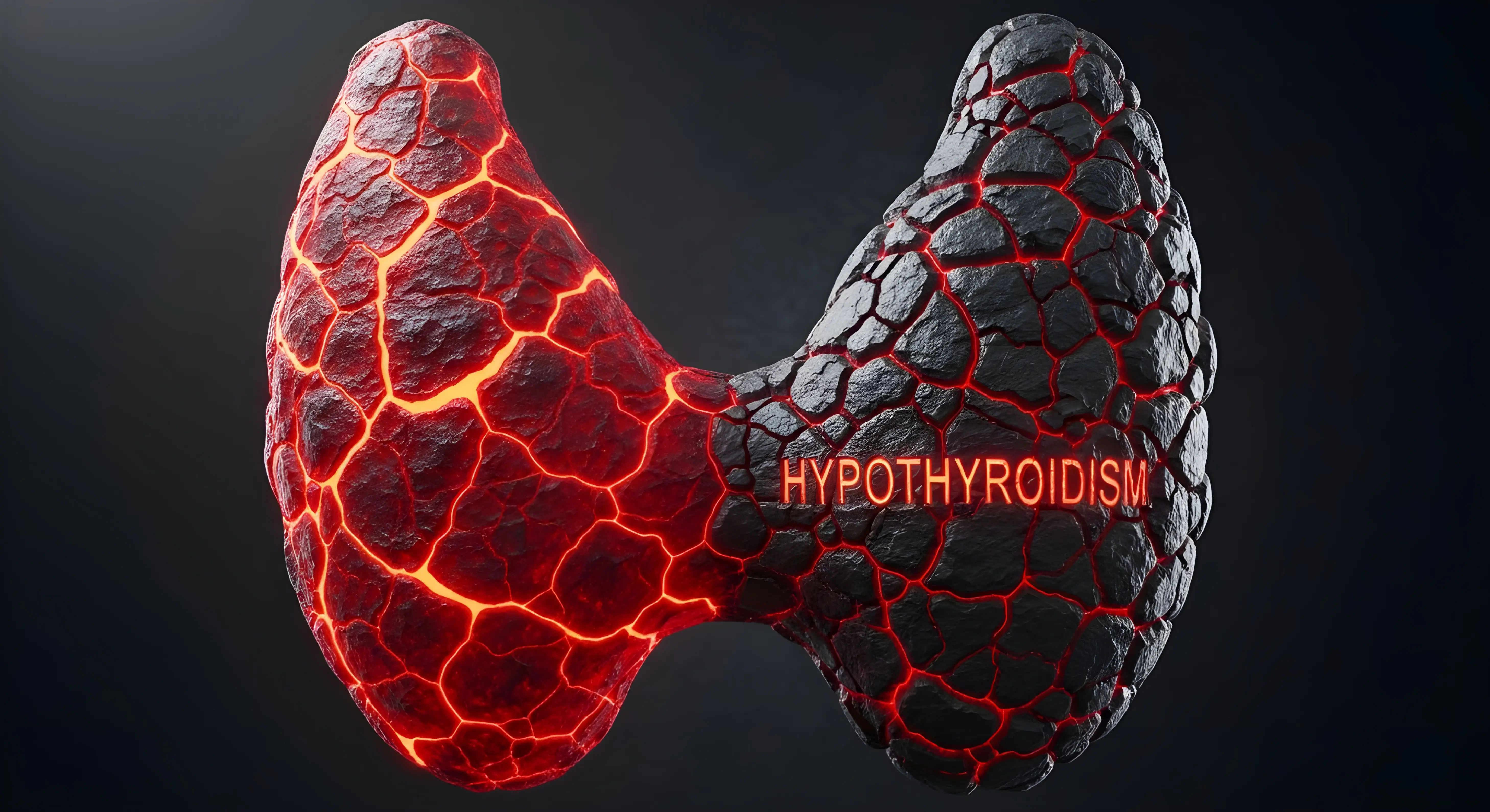
No. Diet can’t cure hypothyroidism, but a balanced eating pattern can support overall health and help your medication work effectively. Keep taking prescribed medicine and follow up with your clinician.
2) Should I take iodine supplements for my thyroid?
Not unless your healthcare provider recommends it. Most people can meet needs with iodised salt and foods. Too much iodine can harm the thyroid, especially if you have autoimmune thyroid disease.
Are cruciferous vegetables (like broccoli and kale) bad for the thyroid?
For most people, no. When cooked and eaten as part of a varied diet with adequate iodine, they are nutritious and safe. You don’t need to avoid them unless your clinician advises otherwise.
4) Do I need to go gluten-free for thyroid health?
Only if you have celiac disease or gluten sensitivity diagnosed by your clinician. Some people with autoimmune thyroid disease also have celiac disease. If you suspect gluten issues, get tested before changing your diet.
5) How should I time coffee, calcium, iron, or soy with my thyroid medication?
Take thyroid medicine on an empty stomach with water. Wait 30–60 minutes before coffee or breakfast. Separate iron, calcium, magnesium, fibre supplements, and soy-rich meals by several hours (often 4 hours) unless your clinician gives different instructions.