Eczema: Causes, Symptoms And Treatment Of Eczema
Learn about eczema, its causes, symptoms, treatments, and prevention tips. Discover effective ways to manage flare-ups and improve skin health.

Written by Dr. Rohinipriyanka Pondugula
Reviewed by Dr. D Bhanu Prakash MBBS, AFIH, Advanced certificate in critical care medicine, Fellowship in critical care medicine
Last updated on 5th Mar, 2026
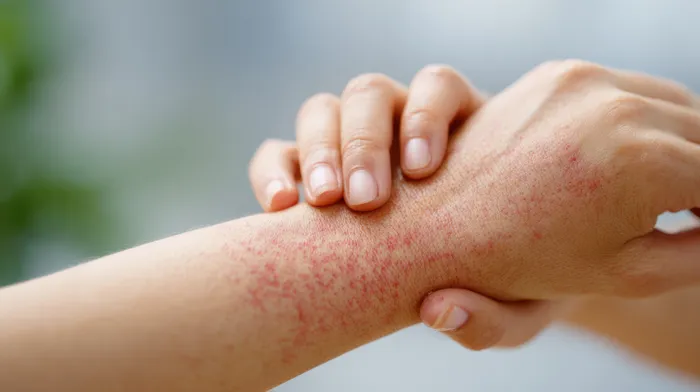
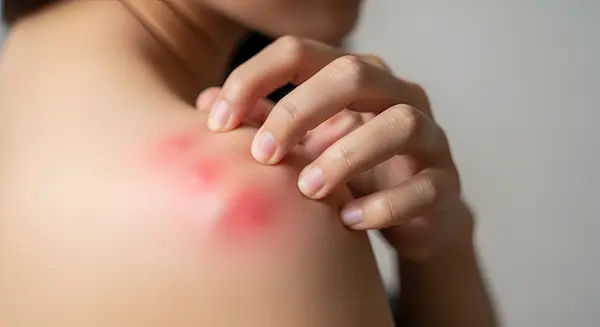
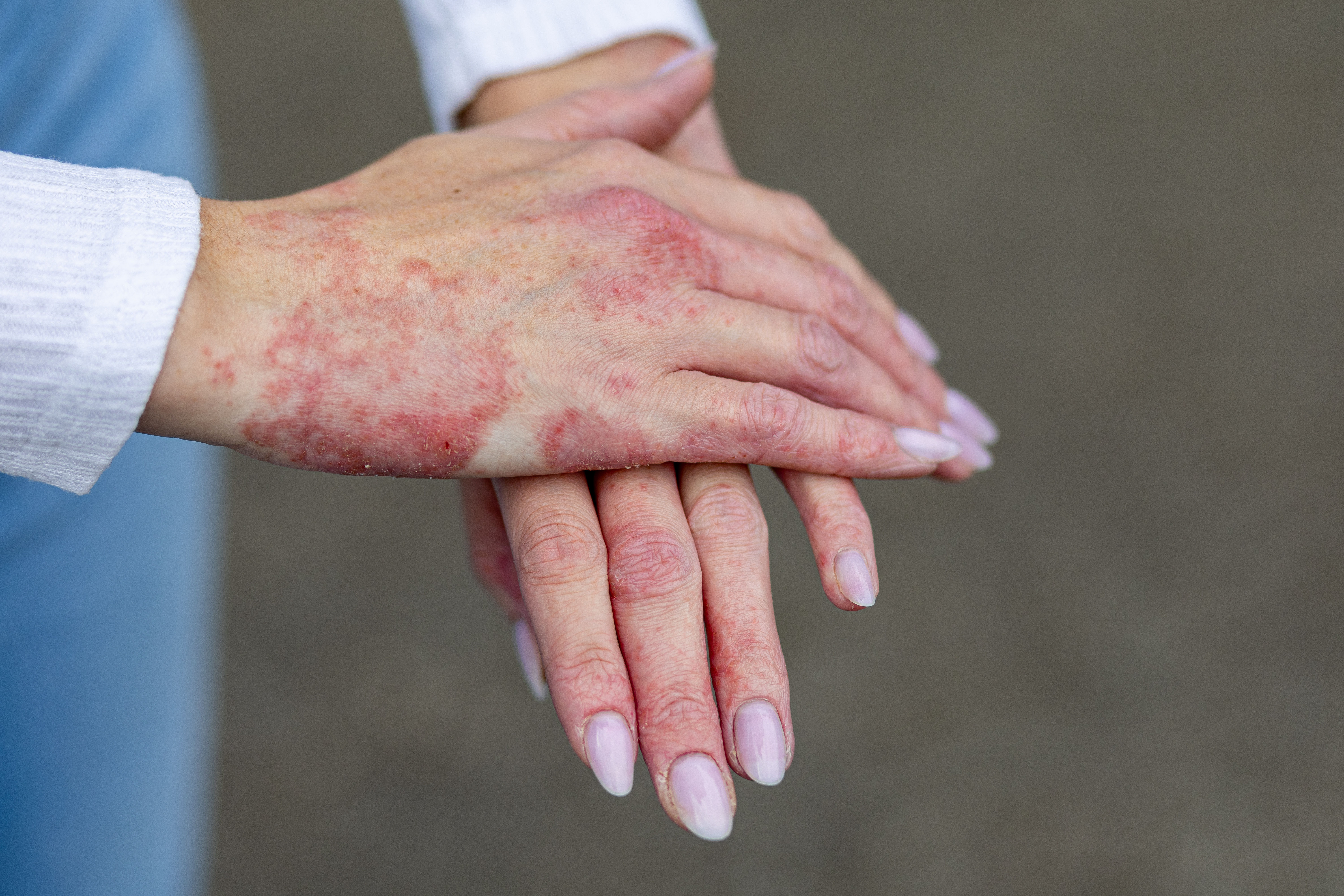
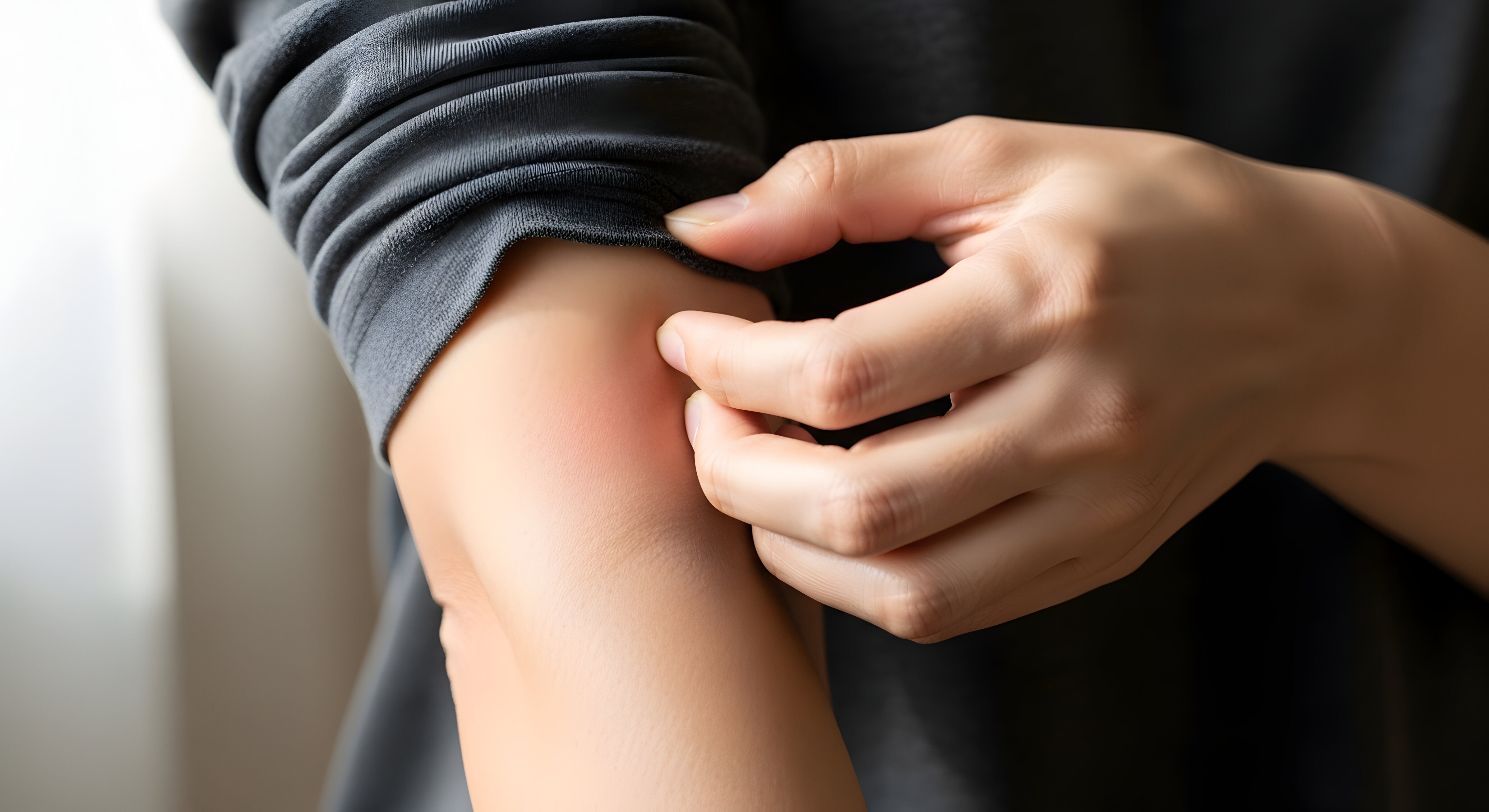
Eczema is a common skin condition categorised by issues like inflammation, redness, dryness and itching. This skin condition can affect every age group, but it is important to know that eczema is not a single disease. Rather, it is a group of skin problems that lead to the problems. The most prevalent type of eczema is atopic dermatitis, and contact dermatitis and dyshidrotic eczema are two other major sub-types of this condition. So, understanding the causes, symptoms, treatment, etc., can help manage this condition better and improve skin health.
Causes of Eczema
Some of the leading causes of eczema are:
Genetics: Genetics disposition is a major reason of eczema. Individuals with a family history of this condition invariably develop it.
Environmental Triggers: Some of the environmental factors like allergens, pollutants and weather change can also flare up eczema. Common irritants include pet dander, pollen, dust mites, and chemical components of soaps, detergents and skincare products.
Hormonal Changes: Sometimes hormonal changes due to conditions like excessive and chronic stress cause eczema. When the cortisol levels increase in the body, it weakens the skin’s protective barrier and leads to this problem.
Dietary Factors: Food habits can also flare up eczema. Certain items like dairy, nuts, eggs, gluten, etc., may act as triggers for some individuals.
Fabric: In some cases, using rough fabrics for longer periods can also lead to eczema.
Consult Top Dermatologists
Symptoms of Eczema
Some of the common symptoms of eczema are:
Itching
Dry and scaly skin
Redness and inflammation
Oozing
Rashes
Depending on the type of eczema one is suffering from, the symptoms will vary. Here is a table outlining the details for better understanding:
| Type of Eczema | Symptoms |
| Atopic Dermatitis | Dry, itchy rashes on the face, elbows |
| Contact Dermatitis | Red, burning, and itchy rashes |
| Dyshidrotic Eczema | Small and itchy blisters |
| Nummular Eczema | Circular, coin-shaped patches of red, scaly skin |
| Seborrheic Dermatitis | Flaky, yellowish, or greasy patches |
| Stasis Dermatitis | Swelling, redness, and skin discolouration |
Diagnosis of Eczema
The diagnosis of eczema has two phases:
Phase 1: Clinical Evaluation
In the first phase of diagnosis, the doctor will assess the patient’s symptoms, medical history, and family history of eczema. During this exam, they will check for skin appearance, affected areas, symptoms and a history of flare-ups.
Phase 2: Diagnostic Tests
After the physical check-up, to confirm eczema and rule out other skin conditions, the doctors will advise some lab tests. They will ask patients to go through patch testing and blood tests. Also, in some cases, the doctors may ask patients to eliminate some food items from their diet.
Based on the outcome, the doctor will determine the final outcome and create a treatment plan accordingly.
Treatment Options
Once the diagnosis is complete, the doctors will start treatment. Here, they usually use three approaches:
1. Topical Treatments
This treatment plan is the initial part of eczema treatment that focuses on reducing inflammation, itching, and dryness. In this case, the doctors use:
Moisturisers to hydrate the skin and prevent dryness
Corticosteroid creams to reduce inflammation and itching
Antibacterial or antifungal creams to reduce skin irritation
Calcineurin inhibitors to control inflammation
2. Systemic Medications
In case of severe and widespread eczema, the doctors rely on systemic medication rather than topical treatment. In this case, they prescribe:
Oral Antihistamines that help relieve itching
Oral Corticosteroids reduce severe inflammation
Immunosuppressants reduce the immune system response
3. Lifestyle Modifications
Alongside the medication, the doctors also prescribe a few lifestyle modifications to combat this disease:
Using mild skincare products
Drinking ample water
Practising stress management
Avoid irritants
Following a healthy diet devoid of inflammatory foods
Managing Eczema Flare-Ups
Eczema management involves understanding the flare-ups and having the right strategies in place to find relief. Some of the common triggers of this condition are:
Allergens
Weather conditions
Food item
Stress and anxiety
Certain fabrics
Once triggers are identified, adopting the following strategies can help manage flare-ups:
Keep the skin moisturised
Use gentle skincare products
Wear soft and breathable fabrics
Work on stress management
Use the medications properly
Consult Top Dermatologists
Complications of Eczema
Besides the treatment and management, individuals should also be aware of the complications associated with eczema:
Increased Risks of Skin Infections
Since eczema weakens the protective barrier of the skin, it makes the skin more susceptible to other illnesses. This includes bacterial and viral infections.
Reduced Quality Of Life
Eczema also lowers the quality of life. The affected individuals bear the brunt of social stigma and suffer from low self-confidence. It also increases their chances of suffering from anxiety and depression.
Disruptions in Sleep
Usually, the conditions of eczema worsen at night, which then disturbs the sleep quality of the individual. As a result, they feel tired and fail to focus on their daily work.
Leads to Asthma
Many individuals with eczema also develop asthma, which causes difficulty in breathing due to airway inflammation.
Eczema in Different Age Groups
Eczema can affect people of any age, but it is largely divided into the following categories to broadly understand this condition in human beings:
Infantile Eczema
Infantile eczema, also known as atopic dermatitis in babies, typically appears in infants and young children. It is characterised by symptoms like dry skin, redness, and itchiness. Most infants and young children outgrow eczema by early childhood, but some may continue to experience symptoms into adulthood.
Adult-Onset Eczema
Adult-onset eczema, also known as adult-onset atopic dermatitis, is a chronic skin condition. Its symptoms include itchiness, red rashes, and dry and scaly skin.
The Role of Diet and Nutrition
Diet plays a key role in managing eczema; certain foods can trigger flare-ups, while others help support skin health. Identifying food sensitivities and maintaining a balanced diet can significantly reduce symptoms and improve overall skin condition.
1. Foods to Avoid
While the dietary triggers vary for each individual, some common culprits are:
Dairy products
Eggs
Processed foods
Nut
Shellfish
Soy products
Foods with excessive gluten content
2. Nutrition tips for managing eczema
Incorporating the following can help reduce inflammation and support skin repair:
Antioxidant-rich fruits and vegetables
Vitamin D-rich foods and supplements
Probiotic-rich foods
Omega-3 fatty acids
Proper hydration
Preventive Measures for Eczema
People suffering from eczema can follow some preventive measures to better manage this condition. The first part of that is a well-maintained skincare routine. For that, individuals need to take lukewarm baths, properly moisturise the skin and use hypoallergenic products.
Conclusion
Eczema is a chronic skin condition requiring a comprehensive management approach comprising proper skincare, lifestyle adjustments, and medical treatment. Understanding its causes, symptoms, and triggers can help individuals take preventive measures and minimise flare-ups. With the right care and support, people with eczema can effectively manage their condition and improve their overall skin health and quality of life.
Consult Top Dermatologists
Consult Top Dermatologists

Dr. Bhavya Swarnkar
Dermatologist
14 Years • MBBS, MD, DNB (Dermatology, Venereology & Leprosy) Former Senior Resident, Department of Dermatology- AIIMS, New Delhi. Associate Consultant - Dermatology.
Bilaspur
Apollo Hospitals Seepat Road, Bilaspur

(275+ Patients)

Dr. S Madhuri
Dermatologist
10 Years • MBBS, MD. DVL, DNB, Fellow (Dermatosurgery & Lasers)
Secunderabad
Apollo Hospitals Secunderabad, Secunderabad
(400+ Patients)

Dr Regina Jacob
Dermatologist
2 Years • MBBS, MD (DVL)
Bangalore
Apollo Clinic Bellandur, Bangalore

Dr. Soumini S
Dermatologist
9 Years • MBBS, MD DERMATOLOGY,VENEREOLOGY, LEPROLOGY
Bengaluru
Apollo Medical Center, Marathahalli, Bengaluru

Dr. Sonal Jain
Dermatologist
9 Years • MBBS, MD (Skin & VD), DNB (DVL), Fellowship in Dermato Surgery
East Midnapore
VIVEKANANDA SEBA SADAN, East Midnapore
Consult Top Dermatologists
Dr. Bhavya Swarnkar
Dermatologist
14 Years • MBBS, MD, DNB (Dermatology, Venereology & Leprosy) Former Senior Resident, Department of Dermatology- AIIMS, New Delhi. Associate Consultant - Dermatology.
Bilaspur
Apollo Hospitals Seepat Road, Bilaspur
(275+ Patients)
Dr. S Madhuri
Dermatologist
10 Years • MBBS, MD. DVL, DNB, Fellow (Dermatosurgery & Lasers)
Secunderabad
Apollo Hospitals Secunderabad, Secunderabad
(400+ Patients)
Dr Regina Jacob
Dermatologist
2 Years • MBBS, MD (DVL)
Bangalore
Apollo Clinic Bellandur, Bangalore
Dr. Soumini S
Dermatologist
9 Years • MBBS, MD DERMATOLOGY,VENEREOLOGY, LEPROLOGY
Bengaluru
Apollo Medical Center, Marathahalli, Bengaluru
Dr. Sonal Jain
Dermatologist
9 Years • MBBS, MD (Skin & VD), DNB (DVL), Fellowship in Dermato Surgery
East Midnapore
VIVEKANANDA SEBA SADAN, East Midnapore
Consult Top Dermatologists
Dr. Bhavya Swarnkar
Dermatologist
14 Years • MBBS, MD, DNB (Dermatology, Venereology & Leprosy) Former Senior Resident, Department of Dermatology- AIIMS, New Delhi. Associate Consultant - Dermatology.
Bilaspur
Apollo Hospitals Seepat Road, Bilaspur
(275+ Patients)
Dr. S Madhuri
Dermatologist
10 Years • MBBS, MD. DVL, DNB, Fellow (Dermatosurgery & Lasers)
Secunderabad
Apollo Hospitals Secunderabad, Secunderabad
(400+ Patients)
Dr Regina Jacob
Dermatologist
2 Years • MBBS, MD (DVL)
Bangalore
Apollo Clinic Bellandur, Bangalore
Dr. Soumini S
Dermatologist
9 Years • MBBS, MD DERMATOLOGY,VENEREOLOGY, LEPROLOGY
Bengaluru
Apollo Medical Center, Marathahalli, Bengaluru
Dr. Sonal Jain
Dermatologist
9 Years • MBBS, MD (Skin & VD), DNB (DVL), Fellowship in Dermato Surgery
East Midnapore
VIVEKANANDA SEBA SADAN, East Midnapore