Laparoscopic Hysterectomy During Period
Discover whether laparoscopic hysterectomy can be performed during your period. Learn about the procedure, timing considerations, and what to expect for a smooth and safe recovery.

Written by Dr. Shaik Abdul Kalam
Reviewed by Dr. Md Yusuf Shareef MBBS, Advanced Certificate Course in Dermatology
Last updated on 13th Jan, 2026

Introduction
If you’re scheduled for a laparoscopic hysterectomy and your period arrives, you might be wondering whether the surgery can still proceed. This is a common concern, and we’re here to provide clear, supportive information to help you understand what to expect.
What Is a Laparoscopic Hysterectomy?
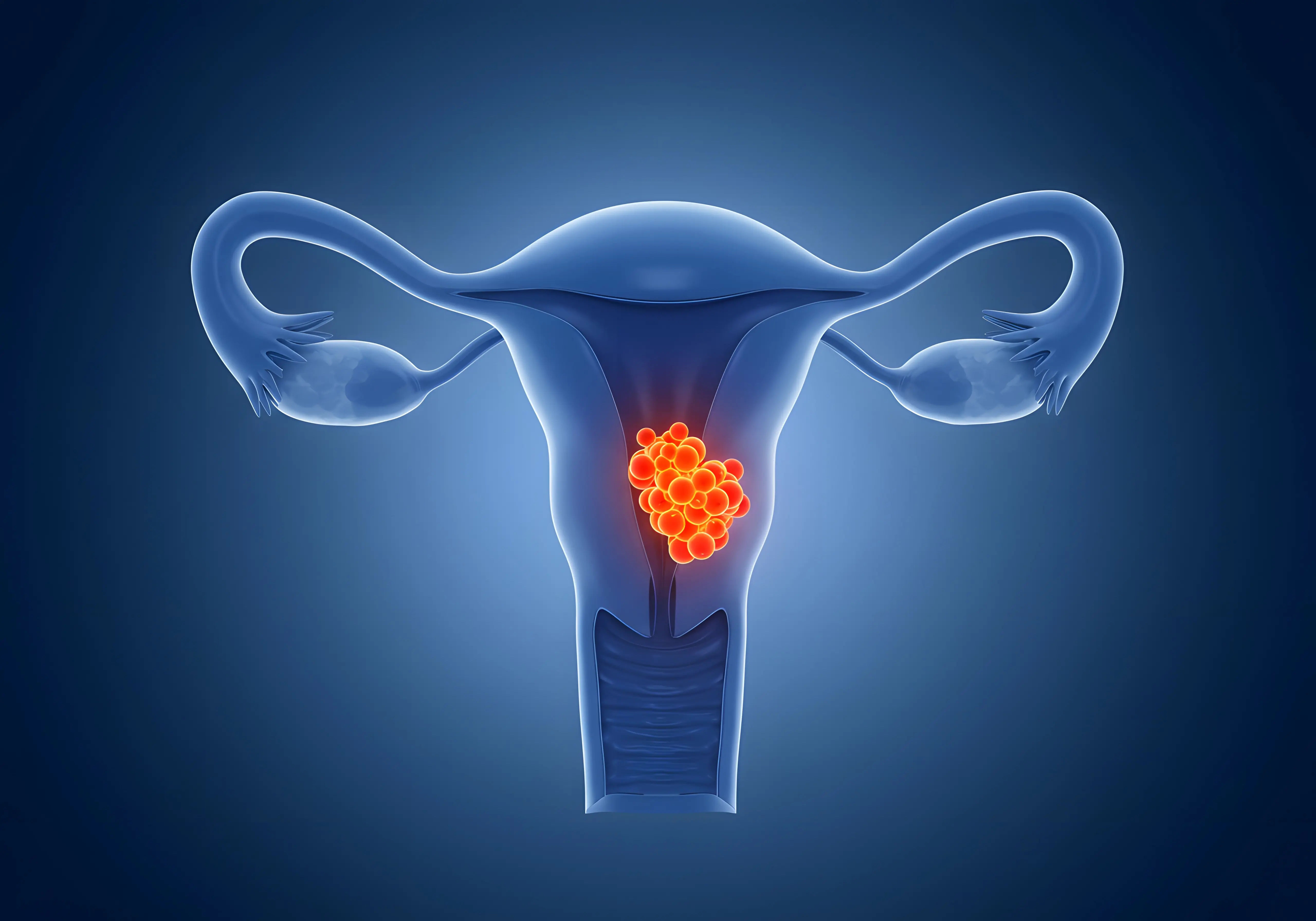
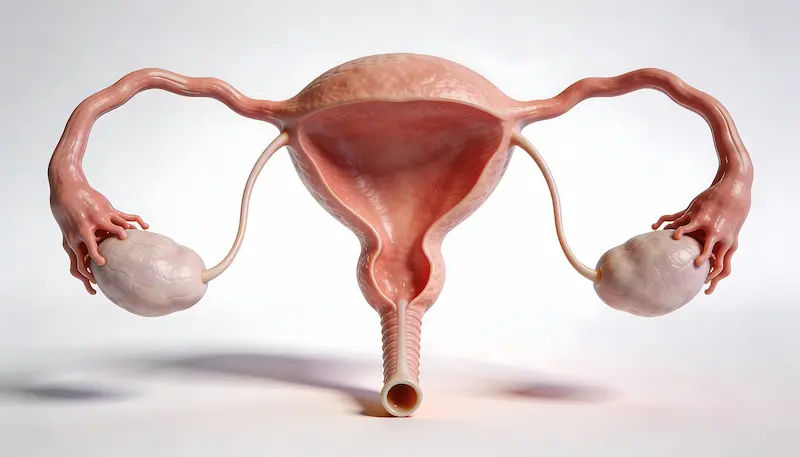
A laparoscopic hysterectomy is a minimally invasive surgical procedure to remove the uterus (and sometimes the ovaries and fallopian tubes) using small incisions and a camera-guided instrument called a laparoscope. It’s often preferred over open surgery because it involves:
Less pain
Faster recovery
Smaller scars
Can a Hysterectomy Be Done During Periods?
Yes, in most cases, a laparoscopic hysterectomy can still be performed during menstruation. Doctors usually don’t postpone the surgery just because you’re on your period. Here’s why:
1. Bleeding Doesn’t Interfere with Surgery: The surgical team is trained to manage bleeding during the procedure.
2. Hormonal Changes Are Minimal: Your menstrual cycle doesn’t significantly affect the surgery’s success.
3. No Increased Risk: There’s no evidence that having a period increases complications.
However, your doctor may advise against it if:
You have extremely heavy bleeding that could make the procedure more challenging.
You have severe menstrual cramps that may worsen post-surgery discomfort.
What to Expect If You’re on Your Period Before Surgery?
Things to expect if you’re on your period before surgery are:
Inform Your Doctor: Let your surgeon know so they can prepare accordingly.
Use Pads Instead of Tampons: Tampons or menstrual cups may need to be removed before surgery.
Stay Hydrated: Menstruation can cause dehydration, so drink plenty of water.
Consult Top Specialists for Personalised Tips
How to Prepare for a Laparoscopic Hysterectomy?
Whether you’re on your period or not, proper preparation helps ensure a smooth surgery and recovery.
A. Before Surgery
1. Follow Pre-Op Instructions: Your doctor may ask you to:
Stop certain medications (like blood thinners).
Avoid eating or drinking after midnight before surgery.
Shower with an antiseptic soap.
2. Arrange for Help: You’ll need someone to drive you home and assist you for a few days.
3. Wear Comfortable Clothing: Loose-fitting clothes will be easier to wear post-surgery.
B. After Surgery
Rest & Avoid Strenuous Activity: No heavy lifting for at least 4-6 weeks.
Manage Pain: Take prescribed pain relief as needed.
Watch for Complications: Contact your doctor if you experience:
Heavy bleeding
Fever
Severe pain
Signs of infection (redness, swelling, or discharge at incision sites)
Recovery Tips After a Laparoscopic Hysterectomy
Some of the recovery tips after a laparoscopic hysterectomy are:
1. Eat a Balanced Diet: Focus on fibre-rich foods to prevent constipation (a common side effect of pain meds).
2. Stay Hydrated: Helps with healing and digestion.
3. Gradually Increase Activity: Short walks can prevent blood clots and aid recovery.
4. Avoid Sexual Intercourse: Wait until your doctor gives the green light (usually 6-8 weeks).
When to Consult a Doctor?
If you have concerns about undergoing a hysterectomy during your period, or if you experience unusual symptoms post-surgery, don’t hesitate to seek medical advice.
Conclusion
Having your period during a laparoscopic hysterectomy is usually not a problem. The key is to communicate with your doctor, follow pre- and post-op instructions, and take good care of yourself during recovery. Remember, this surgery marks the end of menstrual cycles, so you won’t have to worry about periods afterwards. If you have any doubts, your healthcare team is there to support you every step of the way.
Consult Top Obstetrics and Gynaecology Surgeon
Consult Top Specialists for Personalised Tips

Dr. Srinka Mukherjee
Obstetrician and Gynaecologist
7 Years • Obstetrics & Gynaecology
Bansdroni
Siddhita Healthcare., Bansdroni

Dr. Saheli Kapat
Obstetrician and Gynaecologist
11 Years • MBBS, DNB Obstetrics & Gynaecology,FMAS(Fellowship in Minimal access surgery)
Kolkata
MCR SUPER SPECIALITY POLY CLINIC & PATHOLOGY, Kolkata

Dr. Somdutta Basu
Obstetrician and Gynaecologist
7 Years • MBBS, MS Obstetrics & Gynaecology
Bansdroni
Siddhita Healthcare., Bansdroni

Dr. Jyothi Rajesh
Obstetrician and Gynaecologist
22 Years • MBBS, DGO(DNB)
Bangalore
Apollo Clinic Bellandur, Bangalore

Dr. Pritam Dey
Obstetrician and Gynaecologist
6 Years • MBBS,MS(OBSTETRICS & GYNAECOLOGY),FMAS
Kolkata
VDC Clinic, Kolkata
Consult Top Obstetrics and Gynaecology Surgeon
Dr. Srinka Mukherjee
Obstetrician and Gynaecologist
7 Years • Obstetrics & Gynaecology
Bansdroni
Siddhita Healthcare., Bansdroni
Dr. Saheli Kapat
Obstetrician and Gynaecologist
11 Years • MBBS, DNB Obstetrics & Gynaecology,FMAS(Fellowship in Minimal access surgery)
Kolkata
MCR SUPER SPECIALITY POLY CLINIC & PATHOLOGY, Kolkata
Dr. Somdutta Basu
Obstetrician and Gynaecologist
7 Years • MBBS, MS Obstetrics & Gynaecology
Bansdroni
Siddhita Healthcare., Bansdroni
Dr. Jyothi Rajesh
Obstetrician and Gynaecologist
22 Years • MBBS, DGO(DNB)
Bangalore
Apollo Clinic Bellandur, Bangalore
Dr. Pritam Dey
Obstetrician and Gynaecologist
6 Years • MBBS,MS(OBSTETRICS & GYNAECOLOGY),FMAS
Kolkata
VDC Clinic, Kolkata