


Erectile Dysfunction: Explained
Understand erectile dysfunction, why it happens, and proven treatments. Clear tips on symptoms, diagnosis, lifestyle changes, and when to see a doctor.

Written by Dr. Mohammed Kamran
Reviewed by Dr. Rohinipriyanka Pondugula MBBS
Last updated on 13th Jan, 2026

Introduction
Erectile dysfunction can feel worrying, isolating, or embarrassing, but it’s common, often treatable, and sometimes an important clue about your overall health. This plain language guide explains what erectile dysfunction is, why it happens, how doctors diagnose it, and the safe, proven treatments that can help. You’ll also learn when to seek medical care and how everyday habits can make a difference.
What Is Erectile Dysfunction?
Erectile dysfunction (often called ED) is the ongoing difficulty getting or keeping an erection firm enough for sexual activity. Many people have occasional trouble, especially under stress. ED refers to symptoms that are persistent and cause distress or problems in daily life.
Related symptoms can include:
• Trouble getting an erection
• Trouble keeping an erection
• Reduced interest in sex (libido) in some cases
ED can affect quality of life and relationships, and it may signal underlying medical conditions that benefit from attention, especially heart and blood vessel (cardiovascular) issues.
Common Causes Of Erectile Dysfunction
ED has many possible causes. Often, more than one factor is involved.
Physical (Medical) Causes
• Blood flow problems: Atherosclerosis (narrowed arteries), high blood pressure, high cholesterol, and heart disease can reduce blood flow to the penis.
• Diabetes: High blood sugar can damage blood vessels and nerves.
• Neurologic conditions: Stroke, multiple sclerosis, Parkinson’s disease, spinal cord injury, or pelvic nerve injury.
• Hormonal issues: Low testosterone (hypogonadism) and thyroid disorders.
• Medication side effects: Some blood pressure drugs, antidepressants, antihistamines, and others can contribute. Never stop a medication without medical guidance.
• Genitourinary surgery or radiation: Prostate, bladder, or colorectal treatments can affect nerves and blood flow.
• Substance use: Tobacco, excessive alcohol, and some recreational drugs impair erections.
• Sleep disorders and obesity: Affect hormones, circulation, and energy levels.
Psychological And Relationship Factors
• Performance anxiety and stress
• Depression, anxiety disorders, or trauma
• Relationship conflict, poor communication, or lack of intimacy
• Pornography overuse in some individuals
Mixed Causes
For many, ED results from both physical and psychological factors, such as mild blood flow issues plus anxiety after a few difficult experiences.Consult a Top General Physician
Symptoms and When to See a Doctor?
See a clinician if you have:
• Persistent difficulty getting or keeping an erection
• ED plus risk factors like diabetes, high blood pressure, high cholesterol, or smoking
• ED that began after starting a new medication
• Concerns about low libido, mood changes, or fatigue (possible hormonal issues)
• Pain, curvature, or deformity of the penis
Get urgent care if you have:
• An erection lasting more than 4 hours (priapism)
• Sudden vision or hearing loss after taking ED medication
• Chest pain, severe shortness of breath, or other symptoms of a heart problem during sex
How Is ED Diagnosed?
Your clinician will look for underlying causes and ways to tailor treatment to you.
Medical History And Physical Exam
• Detailed questions about symptoms, timing, stress, relationships, and lifestyle
• Review of medical conditions and medications
• Blood pressure and vascular examination; genital and prostate exam when appropriate
Lab Tests
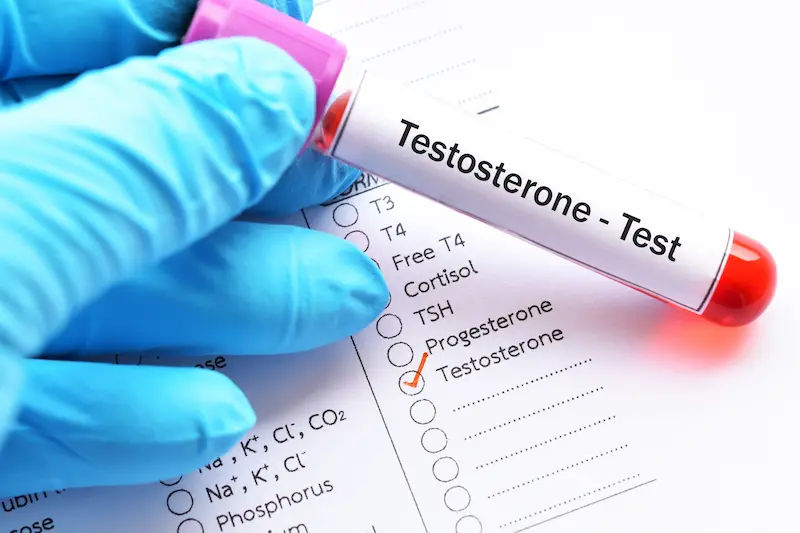
• Blood tests may check blood sugar (for diabetes), cholesterol, kidney function, thyroid function, and testosterone levels (usually a morning sample).
• Urine tests may screen for diabetes, kidney, or other issues.
Specialised Testing (When Needed)
• Penile Doppler ultrasound: Assesses blood flow.
• Nocturnal penile tumescence testing: Evaluates nighttime erections.
• Psychological screening is needed if case anxiety, depression, or stress may be contributing.
Treatment Options For Erectile Dysfunction
There is no one-size-fits-all approach. Treatment depends on the cause, your preferences, other medical conditions, and safety.
Lifestyle And Counseling
• Address heart and metabolic health: Manage blood pressure, cholesterol, weight, and diabetes.
• Stop smoking: Smoking damages blood vessels and is linked to ED.
• Mental health and sex therapy: Counseling can reduce performance anxiety, improve communication, and address depression or stress. This can be especially helpful when psychological factors are present.
Oral Medications (PDE5 Inhibitors)
These medicines help increase blood flow to the penis when you’re sexually stimulated:
• Sildenafil (Viagra)
• Tadalafil (Cialis)
• Vardenafil (Levitra)
• Avanafil (Stendra)
Key Points:
• They must be prescribed after a clinician reviews your medical history.
• Do not take these drugs if you use nitrates (for chest pain) or certain recreational “poppers” containing amyl or butyl nitrite; this combination can cause a dangerous drop in blood pressure.
• Use caution with some alpha blockers and other medications; your clinician will guide timing and dosing.
• Side effects can include headache, flushing, nasal congestion, indigestion, back pain, and (rarely) vision or hearing changes.
Testosterone Therapy
• Only for confirmed low testosterone after proper testing and evaluation.
• Not a general ED treatment if testosterone is normal.
• Requires monitoring for risks and benefits under medical supervision.
Devices And Procedures
• Vacuum erection devices (penis pumps): Noninvasive option that draws blood into the penis; a tension ring maintains the erection. Some men find them effective and safe when used correctly.
• Penile injections (e.g., alprostadil, or combinations) and intraurethral suppositories: Create erections locally. Training on proper use is essential.
• Penile implants: Surgically placed devices (inflatable or malleable) for men who do not respond to other treatments and want a durable solution. High satisfaction rates when appropriately selected.
• Emerging therapies: Low intensity shockwave therapy and certain regenerative treatments are being studied. Discuss current evidence and availability with a urologist; not all are standard of care.
Be Cautious With Supplements
“Natural” or “herbal” sexual enhancers are not well regulated. Some contain undisclosed prescription strength drugs or contaminants. Always talk to your clinician before using supplements.
Everyday Habits That Can Help
Adopting positive lifestyle changes is often the first and most effective step in managing Erectile Dysfunction (ED), as these habits directly impact the vascular and neurological health essential for sexual function.
• Move your body most days: Aim for regular aerobic activity plus strength training. Exercise improves blood flow, energy, and mood.
• Eat for heart health: Vegetables, fruits, whole grains, legumes, lean proteins, and unsalted nuts; limit processed foods, added sugars, and excess salt.
• Sleep well: 7–9 hours for most adults; treat sleep apnea if present.
• Limit alcohol: Heavy drinking worsens ED; moderate or avoid as advised.
• Quit smoking and vaping: Blood flow improves after quitting. Seek support or medications to help.
• Manage stress: Mindfulness, therapy, or relaxation techniques can improve performance anxiety.
• Review medications: Ask your clinician if an alternative is appropriate when a necessary drug contributes to ED.
Keep conditions controlled: Regularly monitor blood pressure, cholesterol, and blood sugar.
ED And Your Heart: The Important Connection
The blood vessels in the penis are small, so reduced blood flow can show up there before it shows up elsewhere. For some people, ED is an early warning sign of cardiovascular disease. That’s why your clinician may recommend a heart health checkup, including:
• Blood pressure
• Cholesterol and triglycerides
• Blood sugar or A1C for diabetes screening
• Lifestyle review (diet, exercise, tobacco use)
Taking steps to protect your heart often improves sexual function too.
Myths And Facts
Here are the facts that challenge common misconceptions about Erectile Dysfunction:
• Myth: “ED is just part of getting older; nothing can be done.”
Fact: ED becomes more common with age, but effective treatments exist at any age.
• Myth: “If ED pills don’t work once, they’ll never work.”
Fact: Correct timing, dosage, and sexual stimulation matter. Sometimes a different pill or approach works better.
• Myth: “It’s all in your head.”
Fact: Physical, psychological, and relationship factors often overlap. Treating the whole person yields the best results.
Talking With Your Partner
Open, nonjudgmental communication can reduce pressure and improve intimacy. Consider:
• Framing ED as a shared challenge, not a personal failure
• Focusing on closeness and pleasure, not only penetration
• Attending appointments together, if you both feel comfortable
Preparing For Your Appointment
Proper preparation for a medical appointment regarding sensitive health concerns can significantly improve the quality of care and the effectiveness of your treatment plan.
• List symptoms: When they started, how often they occur, and what helps or worsens them.
• Bring a medication list: Include prescriptions, over the counter drugs, and supplements.
• Share medical history: Heart, blood vessel, metabolic, hormonal, or mental health conditions.
• Be honest about alcohol, tobacco, and drug use.
• Consider your goals: Improved erections, libido, relationship communication, or all of the above.Consult a Top General Physician
Consult a Top General Physician

Dr. Ajay K Sinha
General Physician/ Internal Medicine Specialist
30 Years • MD, Internal Medicine
Delhi
Apollo Hospitals Indraprastha, Delhi

(225+ Patients)

Dr. Anand Ravi
General Physician
2 Years • MBBS, FEM
Bengaluru
PRESTIGE SHANTHINIKETAN - SOCIETY CLINIC, Bengaluru

Dr Syed Mateen Pasha
General Physician
2 Years • MBBS
Bengaluru
PRESTIGE SHANTHINIKETAN - SOCIETY CLINIC, Bengaluru

Dr. Vivek D
General Physician
4 Years • MBBS
Bengaluru
PRESTIGE SHANTHINIKETAN - SOCIETY CLINIC, Bengaluru

Dr. Harshendra Jaiswal
General Physician/ Internal Medicine Specialist
12 Years • MBBS , MD (General medicine)
Kolkata
108 DHANA DHANVANTARI Clinic, Kolkata
(25+ Patients)
Consult a Top General Physician
Dr. Ajay K Sinha
General Physician/ Internal Medicine Specialist
30 Years • MD, Internal Medicine
Delhi
Apollo Hospitals Indraprastha, Delhi
(225+ Patients)
Dr. Anand Ravi
General Physician
2 Years • MBBS, FEM
Bengaluru
PRESTIGE SHANTHINIKETAN - SOCIETY CLINIC, Bengaluru
Dr Syed Mateen Pasha
General Physician
2 Years • MBBS
Bengaluru
PRESTIGE SHANTHINIKETAN - SOCIETY CLINIC, Bengaluru
Dr. Vivek D
General Physician
4 Years • MBBS
Bengaluru
PRESTIGE SHANTHINIKETAN - SOCIETY CLINIC, Bengaluru
Dr. Harshendra Jaiswal
General Physician/ Internal Medicine Specialist
12 Years • MBBS , MD (General medicine)
Kolkata
108 DHANA DHANVANTARI Clinic, Kolkata
(25+ Patients)
More articles from Erectile Dysfunction
.webp)
_0.webp)


Frequently Asked Questions
1. Is erectile dysfunction permanent?
Not necessarily. Many people improve with lifestyle changes, counseling, or medication. If ED stems from an underlying condition (like diabetes or cardiovascular disease), treating that condition often helps. When needed, devices or procedures can offer reliable solutions.
2. Which ED pill is best?
The “best” option depends on your health, how long you want the effect to last, side effects, medication interactions, and personal preference. Your clinician may start with a well studied option and adjust the dose or medication based on your experience.
3. Can I take ED medications if I have heart disease?
Possibly, but safety comes first. These medications are unsafe with nitrates and require caution with certain other drugs. Your clinician will assess your heart status, exercise tolerance, and medications to decide what’s safe for you.
4. Will testosterone boost fix ED?
Only if low testosterone is the cause. Testosterone therapy is not a general ED fix and is prescribed after proper testing shows a deficiency. Even then, additional ED treatments may still be needed.
5. Do pelvic floor exercises help?
Yes, for some. Strengthening pelvic floor muscles can improve erectile function and control for certain men. A physical therapist with pelvic health training can teach proper technique.