Nipah Virus Overview and Prevention Measures
Learn about the Nipah virus, its symptoms, transmission methods, and potential complications. Explore key prevention measures to reduce the risk of infection and protect public health.

Written by Dr. Mohammed Kamran
Reviewed by Dr. D Bhanu Prakash MBBS, AFIH, Advanced certificate in critical care medicine, Fellowship in critical care medicine
Last updated on 13th Jan, 2026
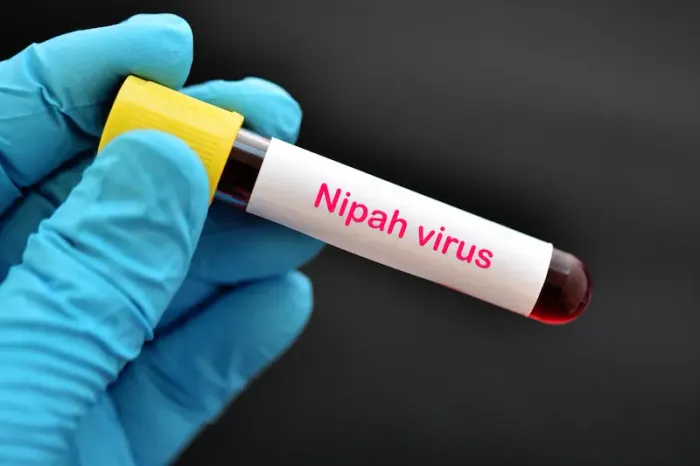
The Nipah virus (NiV) is a rare but serious infection that can affect both animals and humans. It can lead to severe illness, including brain inflammation (encephalitis) and respiratory problems. While outbreaks are infrequent, they can be deadly, making awareness and prevention crucial.
In this article, we’ll discuss what the Nipah virus is, its symptoms, how it spreads, and the best ways to protect yourself and your loved ones.
What Is the Nipah Virus?
The Nipah virus is a zoonotic virus, meaning it spreads from animals to humans. It was first identified in Malaysia in 1998 among pig farmers. Since then, outbreaks have occurred in parts of Asia, including Bangladesh and India.
The virus can cause mild to severe illness, and in some cases, it can be fatal. There is currently no specific treatment or vaccine for Nipah virus infection, so prevention is key.
Symptoms of Nipah Virus Infection
Symptoms usually appear within 4 to 14 days after exposure to the virus. They can range from mild to severe and may include:
Fever
Headache
Muscle pain
Dizziness
Nausea and vomiting
Sore throat
Difficulty breathing
In severe cases, the infection can progress to:
Encephalitis (brain swelling): leading to confusion, seizures, or coma
Acute respiratory distress (severe breathing problems)
If you or someone you know experiences these symptoms—especially after contact with sick animals or infected individuals—seek medical help immediately.
How Does the Nipah Virus Spread?
The virus spreads through:
1. Direct contact with infected animals: Fruit bats (flying foxes) are the natural carriers of the virus. Pigs and other animals can also get infected and pass it to humans.
2. Consuming contaminated food: Eating fruits or date palm sap contaminated by bat saliva or urine can transmit the virus.
3. Human-to-human transmission: Close contact with an infected person’s saliva, respiratory droplets, or bodily fluids can spread the virus.
Consult Top Specialists
Who Is at Risk?
People at higher risk include:
Farmers and animal handlers (especially those working with pigs or bats)
Healthcare workers caring for infected patients
Family members of infected individuals
People living in or travelling to outbreak areas
Prevention Measures
Since there is no cure or vaccine, prevention is the best way to stay safe. Here’s what you can do:
1. Avoid Contact with Infected Animals
Do not handle sick or dead animals, especially bats and pigs.
If you work with animals, wear protective gear like gloves and masks.
2. Practice Good Hygiene
Wash hands frequently with soap and water, especially after touching animals or caring for sick people.
Use hand sanitizer if soap is not available.
3. Avoid Consuming Raw Date Palm Sap or Contaminated Fruits
Bats can contaminate date palm sap and fruits with their saliva or urine. Boil or wash fruits thoroughly before eating.
4. Protect Yourself from Infected People
Avoid close contact with someone who has Nipah virus symptoms.
If caring for a sick person, wear a mask and gloves, and disinfect surfaces regularly.
5. Stay Informed
Follow updates from health authorities during outbreaks.
If you live in or visit high-risk areas, take extra precautions.
What to Do If You Suspect Infection?
If you develop symptoms after possible exposure:
Seek medical help immediately: Early diagnosis and supportive care can improve recovery chances.
Inform healthcare providers about any contact with sick animals or people.
Isolate yourself to prevent spreading the virus to others.
Can Nipah Virus Be Treated?
Currently, there is no specific antiviral treatment for Nipah virus. Doctors provide supportive care, such as:
Managing fever and pain
Ensuring proper hydration
Assisting with breathing if needed
Research is ongoing for potential treatments and vaccines, but prevention remains the best defence.
Conclusion
While Nipah virus outbreaks are rare, they can be dangerous. By staying informed and taking preventive steps, you can reduce your risk. If you suspect exposure or experience symptoms, seek medical attention promptly.
For expert advice or consultation, you can book an appointment with specialists on Apollo24|7. Would you like to schedule a health check-up or have concerns about viral infections?
Consult Top Specialists
Consult Top Specialists

Dr. Rajib Ghose
General Physician/ Internal Medicine Specialist
25 Years • MBBS
East Midnapore
VIVEKANANDA SEBA SADAN, East Midnapore

Dr. Anand Ravi
General Physician
2 Years • MBBS, FEM
Bengaluru
PRESTIGE SHANTHINIKETAN - SOCIETY CLINIC, Bengaluru

Dr. Sougata Kumar
General Practitioner
9 Years • MBBS
East Midnapore
VIVEKANANDA SEBA SADAN, East Midnapore

Dr. Aritra Kumar Ray
General Physician/ Internal Medicine Specialist
10 Years • MBBS, MD (General Medicine)
East Midnapore
VIVEKANANDA SEBA SADAN, East Midnapore

Dr. Arthi S
Family Physician
3 Years • MBBS
Bengaluru
PRESTIGE SHANTHINIKETAN - SOCIETY CLINIC, Bengaluru