


The Laywoman’s Guide to Zika Virus Risks & Prevention
Learn Zika virus symptoms, pregnancy safety tips, and virus prevention steps. Clear, trusted guidance for women, families, and travelers.

Written by Dr. Md Yusuf Shareef
Reviewed by Dr. D Bhanu Prakash MBBS, AFIH, Advanced certificate in critical care medicine, Fellowship in critical care medicine
Last updated on 14th Jan, 2026
Introduction
Zika is a mosquito-borne virus that still matters for travellers, families, and especially those who are pregnant or planning a pregnancy. Knowing the basics Zika virus symptoms, pregnancy safety steps, and virus prevention helps you lower risk and make smart choices. This guide summarises what reputable health organisations advise, in simple, practical language you can use today.
Consult a Top General Practitioner for Personalised Advice
What is The Zika virus?
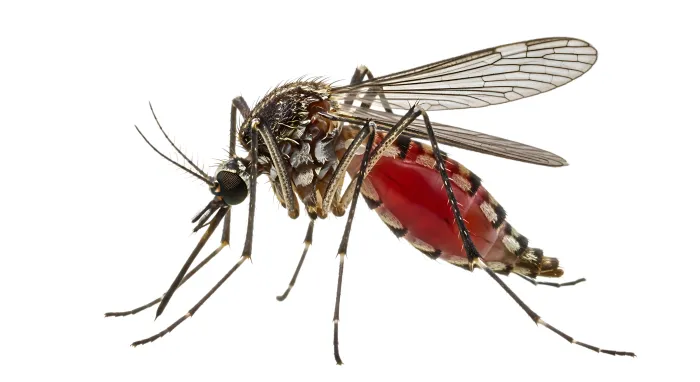
Zika is a flavivirus spread mainly through the bite of infected Aedes mosquitoes (the same mosquitoes that can spread dengue and chikungunya). It can also spread through sex, from a pregnant person to the fetus, and rarely through blood transfusion or laboratory exposure.
Most infections are mild, and many people never realise they were infected. However, Zika can cause serious birth defects if infection occurs during pregnancy. That’s why prevention and informed decision-making are so important.
Zika Virus Symptoms
Up to 4 in 5 people have no symptoms. When symptoms do occur, they usually start a few days after a mosquito bite or sexual exposure and are typically mild, lasting about a week.
Common Zika virus symptoms include:
1. Low-grade fever
2. Rash (often starts on the face and spreads)
3. Red eyes (conjunctivitis)
4. Joint pain or muscle aches
5. Headache
6. Feeling tired or unwell
Other Important Notes:
• Symptoms can look like dengue or chikungunya, which often circulate in the same areas.
• Severe disease is uncommon, but Zika has been linked to Guillain-Barré syndrome (a rare condition that can cause muscle weakness) in adults.
• During pregnancy, even a mild or unnoticed infection can affect the fetus.
When to Call a Doctor?
Seek doctors advice when:
• If you have symptoms after travel to, or residence in, an area with Zika risk.
• If you are pregnant (or could be pregnant) and have symptoms or possible exposure.
• If your sexual partner travelled to or lives in a Zika-risk area and you have symptoms.
How Zika Spreads and Who is At Risk?
Main routes of transmission:
• Mosquito bites: Aedes aegypti and Aedes albopictus bite during the day and at dusk/dawn.
• Sexual transmission: Zika can spread through vaginal, anal, and oral sex, and via shared sex toys. The virus can persist in semen longer than in other body fluids.
• Mother-to-fetus (congenital): Infection during pregnancy can cause congenital Zika syndrome, including microcephaly and other brain, eye, and joint problems.
• Other routes (rare): Blood transfusion or laboratory exposure.
Who is At Higher Risk of Complications:
The highere risk complication group includes:
1. People who are pregnant and their fetuses.
2. Those planning pregnancy soon after potential exposure.
3. Individuals with certain immune or neurologic conditions (seek personalised medical advice).
Travel and Local Outbreaks
• Zika transmission levels change over time. Before travel, check official updates:
• CDC Zika Travel Information (lists areas with current or past transmission and specific guidance)
• WHO regional updates
If you live in or visit a Zika-risk area, take daily prevention steps even if you feel well.
Pregnancy Safety with Zika
Zika during pregnancy can lead to birth defects. Protection focuses on preventing mosquito bites, preventing sexual transmission, and making informed travel and conception decisions.
Key Steps For Pregnancy Safety:
Avoid travel to areas with Zika outbreaks when pregnant, if possible. If travel is essential, use strict mosquito and sexual protection.
• Use condoms correctly every time during pregnancy if your partner lives in or has travelled to a Zika-risk area.
• Talk with your prenatal care provider promptly if you have symptoms or possible exposure. They may discuss testing and ultrasound monitoring.
• Keep all prenatal appointments. Ultrasound can monitor fetal growth and brain development.
Planning a Pregnancy After Possible Exposure
Current public health guidance (e.g., CDC) recommends waiting before trying to conceive after possible Zika exposure:
1. If the potentially exposed partner is male: wait at least 3 months after symptoms start OR after last possible exposure, whichever is later.
2. If the potentially exposed partner is female: wait at least 2 months after symptoms start OR after last possible exposure, whichever is later.
3. Use condoms or avoid sex during this waiting period. If you have unique circumstances, ask your clinician for personalised advice.
If you’re pregnant and exposed or symptomatic
1. Contact your healthcare provider as soon as possible. They will review your travel/exposure history, symptoms, and timing to decide about testing.
2. If your partner was exposed, use condoms every time for the rest of the pregnancy.
3. Your provider may recommend periodic ultrasounds to monitor fetal development.
Virus Prevention: Practical Steps That Work
The most effective virus prevention for Zika combines mosquito control and safer sex practices. These measures also reduce risk from other mosquito-borne infections.
Mosquito Bite Prevention At Home and On The Go
The tips to prevent mosquito bite prevention includes:
• Use an EPA-registered insect repellent: Options include DEET, picaridin, IR3535, and oil of lemon eucalyptus (OLE) or para-menthane-diol (PMD). Follow label directions. OLE/PMD is not recommended for children under 3 years.
• Safe in pregnancy: DEET, picaridin, and IR3535 are considered safe when used as directed. Apply after sunscreen.
• Cover up: Wear long sleeves, long pants, socks, and closed shoes. Choose light-colored clothing to spot mosquitoes more easily.
• Treat clothing and gear: Use permethrin-treated clothing and gear (or buy pre-treated). Do not apply permethrin directly to skin.
• Stay in protected spaces: Use air-conditioning, window and door screens. Sleep under a mosquito net if screens are not available or if you’re outdoors.
• Eliminate standing water: Once a week, empty, scrub, cover, or discard containers that hold water (buckets, flower pots, tyres, birdbaths). Mosquitoes breed in small amounts of water.
• Use mosquito coils or spatial repellents outdoors when appropriate, and follow product instructions.
Prevent Sexual Transmission
Tips to prevent sexual transmission include:
1. Use condoms correctly from start to finish every time you have sex (vaginal, anal, or oral), especially if you or your partner live in or have travelled to areas with Zika.
2. During pregnancy, use condoms every time or avoid sex if a partner has any chance of exposure.
3. Clean and do not share sex toys; use condoms on toys when sharing.
Community-level steps
The community level steps include:
1. Support local mosquito control efforts (larvicide programs, drainage, neighbourhood cleanups).
2. Report standing water problems in your community.
3. Encourage workplaces, schools, and community centres to promote repellent use and water management.
Diagnosis and Treatment
The diagnosis and treatment includes:
How Zika is Diagnosed?
Healthcare providers use:
• Medical and travel history plus symptoms.
• Laboratory testing: molecular tests (to detect viral RNA) and/or antibody tests, depending on timing. Testing can be complex due to cross-reactivity with related viruses (like dengue), so clinicians follow specific algorithms from public health authorities.
If you’re pregnant, symptomatic, or recently exposed, ask your provider whether testing is appropriate. Local and national guidance can vary based on current transmission.
Treatment and Home Care
There is no specific antiviral medicine for Zika. Most people recover with supportive care:
1. Rest and fluids.
2. Acetaminophen (paracetamol) for fever and pain.
3. Avoid aspirin and non-steroidal anti-inflammatory drugs (NSAIDs) like ibuprofen until dengue has been ruled out, because of bleeding risk with dengue.
4. Watch for warning signs such as worsening weakness, severe dehydration, or neurologic symptoms, and seek medical care promptly.
What About Vaccines?
As of now, there is no licensed vaccine to prevent Zika for the general public. Several vaccine candidates are in development. Continue to rely on mosquito bite prevention and safer sex practices.
Special Situations and Common Questions
Special situation and common questions include:
Breastfeeding
Zika virus genetic material has been found in breast milk, but transmission through breastfeeding has not been confirmed. Major health organisations (WHO, CDC) advise that the benefits of breastfeeding outweigh any theoretical risk. If you have questions, discuss them with your paediatrician or obstetric provider.
Children and Repellents
1. Use EPA-registered repellents according to the label.
2. Do not use OLE/PMD on children under 3 years.
3. Do not apply repellent to children’s hands, eyes, mouth, or to irritated skin.
4. Spray repellent on your hands first, then apply it to a child’s face.
Quick Checklist for Travellers
Quick checklist includes:
1. Check CDC’s Zika Travel Information page before booking.
2. Pack EPA-registered repellent, permethrin-treated clothing, and a bed net if screens are uncertain.
3. Choose accommodations with air-conditioning and screens.
4. Practice safer sex during travel and after return, following the recommended waiting periods before trying to conceive.
5. If you develop Zika virus symptoms during or after travel, contact a clinician and mention your travel history.
Final Word
Zika risk varies by place and time, but the core protections are consistent: prevent mosquito bites, practice safer sex, and make informed decisions about travel and conception. If you’re pregnant or planning pregnancy, a quick conversation with your healthcare provider plus the prevention steps in this guide can go a long way toward keeping you and your family safe.
Consult a Top General Practitioner for Personalised Advice
Consult a Top General Practitioner for Personalised Advice

Dr. Rajib Ghose
General Physician/ Internal Medicine Specialist
25 Years • MBBS
East Midnapore
VIVEKANANDA SEBA SADAN, East Midnapore

Dr. Ashita Kuruvilla
General Practitioner
7 Years • MBBS
Kolkata
KVC CLINIC, Kolkata

Dr Syed Mateen Pasha
General Physician
2 Years • MBBS
Bengaluru
PRESTIGE SHANTHINIKETAN - SOCIETY CLINIC, Bengaluru

Dr. Rubina Fatima
General Practitioner
1 Years • MBBS MD (Forensic Medicine)
Hyderabad
Dr Rubina Fatima Clinic, Hyderabad

Dr. Anand Ravi
General Physician
2 Years • MBBS, FEM
Bengaluru
PRESTIGE SHANTHINIKETAN - SOCIETY CLINIC, Bengaluru
Consult a Top General Practitioner for Personalised Advice
Dr. Rajib Ghose
General Physician/ Internal Medicine Specialist
25 Years • MBBS
East Midnapore
VIVEKANANDA SEBA SADAN, East Midnapore
Dr. Ashita Kuruvilla
General Practitioner
7 Years • MBBS
Kolkata
KVC CLINIC, Kolkata
Dr Syed Mateen Pasha
General Physician
2 Years • MBBS
Bengaluru
PRESTIGE SHANTHINIKETAN - SOCIETY CLINIC, Bengaluru
Dr. Rubina Fatima
General Practitioner
1 Years • MBBS MD (Forensic Medicine)
Hyderabad
Dr Rubina Fatima Clinic, Hyderabad
Dr. Anand Ravi
General Physician
2 Years • MBBS, FEM
Bengaluru
PRESTIGE SHANTHINIKETAN - SOCIETY CLINIC, Bengaluru
More articles from Fever


_0.webp)
Frequently Asked Questions
Q1: What are the first Zika virus symptoms?
The most common early signs are a mild fever, a red or bumpy rash, red eyes, joint or muscle pain, headache, and fatigue. Many people have no symptoms at all.
Q2: I’m pregnant. Should I cancel travel to an area with Zika risk?
If possible, yes avoid nonessential travel to areas with Zika outbreaks. If travel is essential, use strict mosquito protection and condoms throughout pregnancy. Speak with your obstetric provider about testing and ultrasound monitoring.
Q3: How long should we wait to try to conceive after possible exposure?
If the potentially exposed partner is male, wait at least 3 months after symptoms begin or last possible exposure. If the potentially exposed partner is female, wait at least 2 months. Use condoms or avoid sex during this period.
Q4: Can I get Zika from casual contact, food, or breastfeeding?
Casual contact (hugging, sharing utensils) and food are not known routes of transmission. Breastfeeding is recommended; benefits outweigh theoretical risks.
Q5: Which repellents really work and are they safe in pregnancy?
EPA-registered repellents with DEET, picaridin, or IR3535 are effective and considered safe in pregnancy when used as directed. Apply after sunscreen and follow label instructions.