Understanding Frozen Shoulder and Treatment Options
Learn about frozen shoulder, its causes, symptoms, and effective treatment options. Discover how early diagnosis and therapies can help restore mobility and reduce pain.

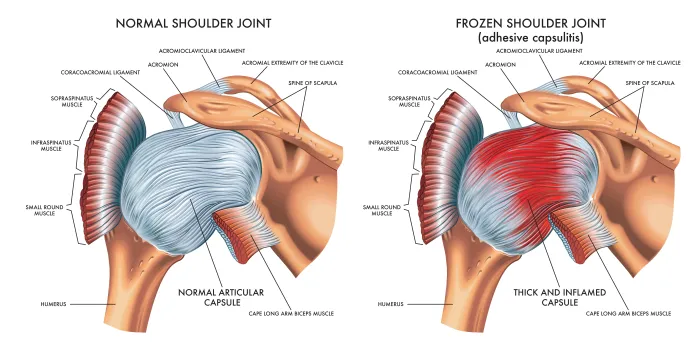
Dealing with shoulder pain and stiffness can be incredibly frustrating, especially when it limits your daily activities. If you’ve been experiencing persistent shoulder discomfort, you might be suffering from a condition called frozen shoulder (also known as adhesive capsulitis). This article will help you understand what frozen shoulder is, its symptoms, causes, and the best ways to manage and treat it.
What Is Frozen Shoulder?
Frozen shoulder is a condition where the shoulder joint becomes stiff, painful, and difficult to move. It happens when the connective tissue surrounding the shoulder joint (called the capsule) thickens and tightens, restricting movement. The condition typically develops gradually and goes through three stages:
1. Freezing Stage – Pain increases, and shoulder movement becomes limited.
2. Frozen Stage – Pain may lessen, but stiffness remains severe.
3. Thawing Stage – Shoulder movement slowly improves.
The entire process can take anywhere from 1 to 3 years, but proper treatment can help speed up recovery.
Symptoms of Frozen Shoulder
If you have a frozen shoulder, you may experience:
- Persistent pain in the shoulder, often worse at night.
- Stiffness that makes it hard to lift your arm, reach behind your back, or perform simple tasks like combing your hair.
- Limited range of motion – You may struggle to raise your arm sideways or rotate it.
What Causes Frozen Shoulder?
While the exact cause isn’t always clear, certain factors increase the risk:
- Age & Gender – People between 40-60 years and women are more likely to develop it. Diabetes – Those with diabetes have a higher risk of frozen shoulder.
- Shoulder Injury or Surgery – Immobilisation (keeping the shoulder still for long periods) can trigger stiffness.
- Other Health Conditions – Thyroid disorders, heart disease, and Parkinson’s disease may also contribute.
How Is Frozen Shoulder Diagnosed?
A doctor will examine your shoulder’s movement and may recommend:
- X-rays or MRI – To rule out other conditions like arthritis or rotator cuff injuries.
- Physical Tests – Checking how far you can move your arm in different directions.
Treatment Options for Frozen Shoulder
The frozen shoulder can be treated, and most people regain full or near-full mobility. Here are some effective treatment approaches:
1. Pain Relief & Anti-Inflammatory Medications
- Over-the-counter pain relievers (like ibuprofen) can help reduce pain and swelling.
- In some cases, a doctor may recommend corticosteroid injections to ease inflammation.
2. Physical Therapy & Exercises
- Gentle stretching and strengthening exercises can improve flexibility.
- A physiotherapist can guide you through movements to restore shoulder function.
3. Heat & Cold Therapy
- Applying a warm compress can relax stiff muscles.
- Ice packs may help reduce pain and swelling after activity.
4. Home Remedies & Lifestyle Changes
- Stay Active – Avoid keeping your shoulder completely still; gentle movement prevents further stiffness.
- Posture Correction – Slouching can worsen shoulder pain, so try to sit and stand upright.
- Sleep Position – Avoid sleeping on the affected shoulder; use a pillow for support.
5. Medical Procedures (If Needed)
- Manipulation Under Anaesthesia (MUA) – A doctor gently moves the shoulder while you’re sedated to break up stiffness.
- Arthroscopic Surgery – In rare cases, a surgeon may remove scar tissue to improve movement.
When Should You See a Doctor?
If you notice:
- Severe pain that doesn’t improve with rest or painkillers.
- Difficulty moving your shoulder for more than a few weeks.
- Worsening stiffness affects daily tasks.
- It’s best to consult a specialist for proper diagnosis and treatment.
Preventing Frozen Shoulder
While not all cases can be prevented, you can lower your risk by:
- Staying Active – Regular shoulder exercises keep joints flexible.
- Managing Diabetes & Other Conditions – Keeping blood sugar levels under control helps.
- Avoiding Prolonged Immobilisation – If you’ve had shoulder surgery or injury, follow rehab exercises.
Final Thoughts
Frozen shoulder can be painful and frustrating, but with the right treatment, most people recover fully. If you suspect you have thiscondition, don’t ignore it; early intervention can speed up healing.
Consult a Rheumatologist for Personalised Advice
Consult a Rheumatologist for Personalised Advice

Dr. Anand Ravi
General Physician
2 Years • MBBS, FEM
Bengaluru
PRESTIGE SHANTHINIKETAN - SOCIETY CLINIC, Bengaluru

Dr. Zulkarnain
General Physician
2 Years • MBBS, PGDM, FFM
Bengaluru
PRESTIGE SHANTHINIKETAN - SOCIETY CLINIC, Bengaluru

Dr Ankit Patowari
Rheumatologist
6 Years • MBBS, MD MEDICINE, DM RHEUMATOLOGY
Guwahati
Apollo Clinic Guwahati, Assam, Guwahati

Dr. Brig K Shanmuganandan
Rheumatologist
27 Years • MBBS, MD (Med.), DNB (Med.), Fellow (Rheuma.)
Chennai
Apollo Hospitals Greams Road, Chennai

(525+ Patients)

Dr. Prakeek Deo
Rheumatologist
7 Years • MBBS, MD,DM RHEUMATOLOGY
Bhopal
Apollo Sage Hospitals, Bhopal