


Home Remedies for Gas
Discover safe, effective gas home remedies to relieve bloating and discomfort. Learn quick tips, diet tweaks, and when to see a doctor.

Written by Dr. Rohinipriyanka Pondugula
Reviewed by Dr. D Bhanu Prakash MBBS, AFIH, Advanced certificate in critical care medicine, Fellowship in critical care medicine
Last updated on 13th Jan, 2026
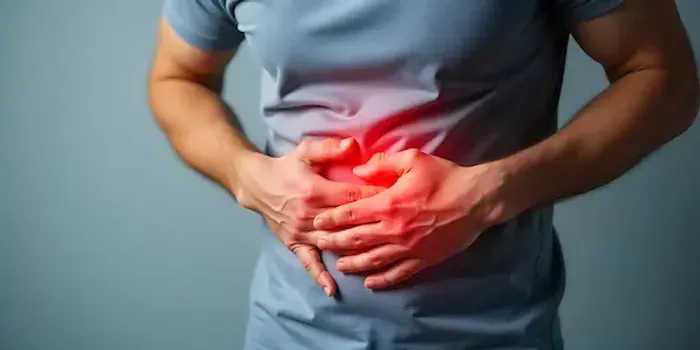
Introduction: Why Gas Happens And How Simple Steps Can Help
Everyone experiences gas as a normal part of digestion, yet it can still cause discomfort, bloating, cramping, pressure, and awkward moments. Although gas is not usually a sign of illness, it can become bothersome or even painful, especially when it builds up or becomes difficult to pass. The positive news is that many people obtain quick and lasting relief using practical and safe home strategies. This guide explains what causes gas, how to ease symptoms quickly, and the dietary and lifestyle adjustments that make a meaningful difference. It also covers when persistent or severe symptoms require professional advice, helping you understand your body better and feel more in control of your digestive comfort.
Consult a Top General Practitioner for Personalised Advice
Understanding Gas: What’s Normal And What’s Not
Learn about the gas, what it is and abnormal conditions
What is gas?
- Gas forms naturally in the digestive system when swallowed air enters the gut and when gut bacteria break down
certain foods during digestion. - Passing gas between ten and twenty times per day is considered normal, although some people pass more without any
underlying problem.
Common Triggers
- Eating quickly and swallowing excess air
- Fizzy drinks and carbonated beverages
- Sudden increases in high-fibre foods
- Beans, lentils, onions, garlic, broccoli, cabbage, and cauliflower
- Milk and dairy products, if lactose intolerance is present
- Sugar alcohols are found in sugar-free products
- Heightened sensitivity in people living with irritable bowel syndrome
When To Be Cautious?
- Severe or persistent pain
- Unintentional weight loss
- Blood in the stool
- Vomiting or fever
- Noticeable changes in bowel habits
These signs may indicate conditions such as coeliac disease, inflammatory bowel disease, or infections that require
medical evaluation.
Best Gas Home Remedies For Quick Relief
When discomfort strikes, these immediate actions may ease bloating and help trapped gas move through your system
more efficiently.
Move Your Body
- Take a short walk lasting ten to twenty minutes to stimulate gut motility.
- Bring one or both knees to the chest while lying on your back and hold for thirty to sixty seconds.
- Use gentle yoga positions such as Child’s Pose or Wind-Relieving Pose to encourage gas release.
Apply Warmth
- Place a heating pad or warm compress on the abdomen for ten to fifteen minutes to relax intestinal muscles and reduce
spasms.
Try Gentle Self-Massage
- Massage the abdomen with light pressure in a clockwise direction to follow the natural flow of the colon.
- Stop if any movement increases discomfort.
Sip Warm Fluids
- Choose warm water or caffeine-free herbal teas.
- Peppermint tea may relax gut muscles, though it can worsen reflux in some people.
- Ginger or chamomile teas are gentler options for individuals who experience heartburn.
Consider Over-The-Counter Aids
- Simethicone can help gas bubbles combine, making them easier to pass.
- Lactase enzymes support the digestion of dairy products for those with lactose intolerance.
- Alpha-galactosidase can help reduce gas from beans and certain vegetables when taken with the first bites.
- Activated charcoal has mixed evidence and may interfere with medication absorption, so always seek professional
advice before using it.
Food And Drink Tweaks To Prevent Gas
Adopting a few gradual changes in eating habits can prevent gas from forming in the first place.
Eat Slowly and Mindfully
- Chew thoroughly and take small bites to minimise swallowed air.
- Place utensils down between bites to slow your pace.
- Aim for meals that last fifteen to twenty minutes.
Reduce Swallowed Air
- Limit carbonated drinks, straws, chewing gum, and hard sweets.
- Quitting smoking or vaping can also reduce swallowed air and support overall gut comfort.
Keep a Simple Food and Symptom Diary
- Track meals and symptoms for one to two weeks to identify personal triggers.
- Frequently troublesome foods include beans, lentils, onions, garlic, broccoli, brussels sprouts, cabbage, cauliflower,
dairy for those sensitive to lactose, and sugar alcohols in sugar-free snacks.
Manage Lactose Intolerance Smartly
- Try lactose-free milk or yoghurt containing live cultures.
- Use lactase supplements when eating dairy.
- Hard cheeses and yoghurts are often easier to tolerate than milk or ice cream.
Go Low And Slow With Fibre
- Increase fibre gradually to avoid sudden gas production.
- Choose soluble fibre options such as oats, bananas, citrus fruits, and potatoes.
- Drink adequate water to help fibre move through the digestive system comfortably.
- If using fibre supplements, begin with small amounts and build slowly.
Consider A Short-Term Low-FODMAP Approach
- FODMAPs are fermentable carbohydrates found in many foods that may cause gas in sensitive individuals, particularly those with IBS.
- This structured diet involves short-term elimination followed by reintroduction to identify triggers.
- Work with a dietitian to prevent overly restrictive eating.
Beverages and Herbs For Gas
Useful and powerful herbs & beverages to fight gas include:
Ginger
- Ginger tea or small amounts of fresh ginger may ease digestive discomfort and support healthy gut motility.
Peppermint
- Peppermint tea or enteric-coated peppermint oil capsules can soothe some types of intestinal discomfort.
- Avoid peppermint if it worsens heartburn.
Fennel
- Fennel tea is a traditional remedy, although scientific evidence is limited.
- Use moderately and discontinue if symptoms worsen.
Important Note
- Herbal supplements can interact with medications and may not be suitable during pregnancy, breastfeeding, or certain
medical conditions. Always seek clinical advice beforehand.
Gut Health With Probiotics (Realistic Expectations)
Supportive probiotics can help in improvement of gut health:
- Probiotics may support gut balance, but their effectiveness varies widely.
- Specific strains, including Bifidobacterium infantis 35624, have shown benefits for bloating in some studies.
- Benefits may take between two and four weeks to appear.
- Choose reliable, well-labelled products and reassess if no improvement occurs within a month.
Stay Hydrated and Bowel Moving
Hydration and bowel movement help ease the gas in the stomach, including:
- Constipation can trap gas behind stool, increasing pressure and discomfort.
- Drink water regularly throughout the day.
- Engage in daily physical activity.
- Increase fibre gradually while maintaining hydration.
- Seek advice if constipation becomes frequent.
Special Situations
Special situations where gas needs to be handled properly include:
Pregnancy
- Gas is extremely common during pregnancy due to hormonal changes slowing digestion and increased abdominal
pressure. - Safer approaches include gentle movement, warm baths, light stretching, hydration, and smaller, frequent meals.
- Always consult your prenatal clinician before trying new herbal or supplement-based remedies.
After Surgery Or Using Medications
- Certain operations and medications, including iron supplements and strong pain relievers, can affect digestion and
increase gas. - Speak with your healthcare team about safe hydration strategies, stool softeners, or mobility routines to support
recovery.
A Simple One-Day Plan For A Gassy Day
For a gassy day, follow the given tips below:
Morning
- Warm water or ginger tea
- A gentle ten- to fifteen-minute walk
- A breakfast with low-FODMAP ingredients, such as oats with lactose-free milk and a ripe banana
Midday
- Slow eating with mindful chewing
- Avoid fizzy drinks
- Consider alpha-galactosidase when eating beans or cruciferous vegetables
Afternoon
- Light stretching or a further short walk
- Apply a warm compress if cramping persists
Evening
- A lighter dinner and avoidance of heavy, late-night meals
- Simethicone as directed if discomfort continues
- Knee-to-chest stretches before sleep
When To See a Healthcare Professional
See a healthcare professional when:
- Persistent or severe abdominal pain
- Unexplained weight loss, fever, vomiting, or blood in the stool
- New or frequent nighttime symptoms
- Bowel habit changes lasting longer than two weeks
- Symptoms beginning after age fifty or with a family history of digestive disease
- Ongoing problems despite home treatment
These concerns may suggest lactose intolerance, coeliac disease, IBS, small intestinal bacterial overgrowth, or other
conditions requiring diagnosis.
Final Thoughts
Many people can ease discomfort with the gas home remedies above: move gently, apply warmth, eat mindfully,
identify trigger foods, and consider targeted enzymes or probiotics. If symptoms are frequent, severe, or new, a
healthcare professional can help you find and treat the cause so you can get lasting relief and feel like yourself again.
Consult a Top General Practitioner for Personalised Advice
Consult a Top General Practitioner for Personalised Advice

Dr. Rajib Ghose
General Physician/ Internal Medicine Specialist
25 Years • MBBS
East Midnapore
VIVEKANANDA SEBA SADAN, East Midnapore

Dr. Ashita Kuruvilla
General Practitioner
7 Years • MBBS
Kolkata
KVC CLINIC, Kolkata

Dr. Rashmi Wadhwa
General Practitioner
35 Years • MBBS
South Delhi
RASHMI WADHWA'S CLINIC, South Delhi

(75+ Patients)

Dr. Pinaki Mukhopadhyay
General Practitioner
33 Years • MBBS
Kolkata
MCR SUPER SPECIALITY POLY CLINIC & PATHOLOGY, Kolkata
(25+ Patients)

Dr. Sougata Kumar
General Practitioner
9 Years • MBBS
East Midnapore
VIVEKANANDA SEBA SADAN, East Midnapore
Consult a Top General Practitioner for Personalised Advice
Dr. Rajib Ghose
General Physician/ Internal Medicine Specialist
25 Years • MBBS
East Midnapore
VIVEKANANDA SEBA SADAN, East Midnapore
Dr. Ashita Kuruvilla
General Practitioner
7 Years • MBBS
Kolkata
KVC CLINIC, Kolkata
Dr. Rashmi Wadhwa
General Practitioner
35 Years • MBBS
South Delhi
RASHMI WADHWA'S CLINIC, South Delhi
(75+ Patients)
Dr. Pinaki Mukhopadhyay
General Practitioner
33 Years • MBBS
Kolkata
MCR SUPER SPECIALITY POLY CLINIC & PATHOLOGY, Kolkata
(25+ Patients)
Dr. Sougata Kumar
General Practitioner
9 Years • MBBS
East Midnapore
VIVEKANANDA SEBA SADAN, East Midnapore
More articles from Gas and gas pains

Frequently Asked Questions
Q.What Causes Excessive Gas?
Excessive gas often comes from swallowing air when eating quickly or drinking fizzy drinks. Many foods, such as beans, onions, and cruciferous vegetables, naturally produce gas. Lactose intolerance, sugar alcohols in sugar-free products, and constipation can also contribute. People with IBS may be more sensitive to normal gas levels.
Q.What Are The Best Gas Home Remedies For Fast Relief?
Walking, gentle abdominal massage, and warm compresses can quickly ease discomfort by helping gas move through the gut. Warm drinks, especially herbal teas, often provide soothing relief. Simethicone can help some people pass gas more easily, while lactase or alpha-galactosidase may help if certain foods are triggers.
Q.Do Probiotics Help With Gas?
Probiotics may help reduce gas and bloating for some people, especially those with IBS, though results vary. Strains like Bifidobacterium infantis 35624 have shown benefits in certain studies. Improvements may take two to four weeks, and if nothing changes, another strain or approach may be more effective.
Q.Which Foods Should I Limit To Reduce Gas?
Beans, lentils, onions, garlic, and cruciferous vegetables are common gas triggers. Dairy may cause gas if you are lactose intolerant, and sugar alcohols in sugar-free snacks often have similar effects. Fizzy drinks and large high-fat meals may also increase bloating for some people.
Q.Is Daily Gas Normal, And When Should I Worry?
Daily gas is normal and part of healthy digestion. You should seek medical advice if you notice severe or persistent pain, unexplained weight loss, vomiting, fever, blood in the stool, or long-lasting changes in bowel habits. These symptoms could indicate an underlying condition needing assessment.