Understanding Miscarriage Symptoms and Causes
Learn about miscarriage symptoms, causes, and recovery. Understand how to cope emotionally and physically, and when to seek medical help or try for another pregnancy.

Written by Dr. J T Hema Pratima
Reviewed by Dr. D Bhanu Prakash MBBS, AFIH, Advanced certificate in critical care medicine, Fellowship in critical care medicine
Last updated on 13th Jan, 2026

Experiencing a miscarriage can be emotionally and physically challenging. If you or someone you know has gone through this, it’s important to understand what a miscarriage is, its symptoms, possible causes, and how to cope. This article aims to provide compassionate and easy-to-understand information to help you navigate this difficult time.
What Is a Miscarriage?
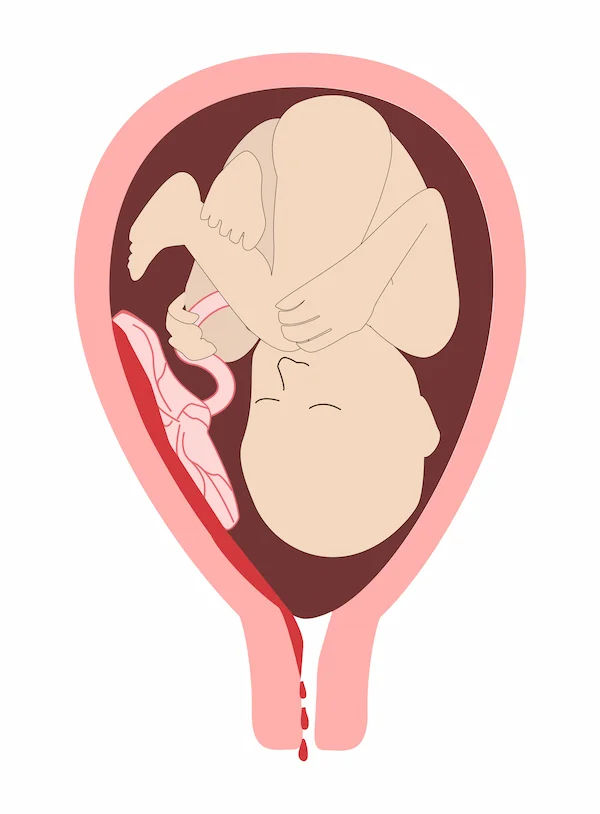
A miscarriage is the loss of a pregnancy before the 20th week. Most miscarriages happen in the first trimester (first 12 weeks). Sadly, miscarriages are more common than many people realize—about 10-20% of known pregnancies end this way. While it can be heartbreaking, it’s important to know that most women who experience a miscarriage go on to have healthy pregnancies later.
Common Symptoms of a Miscarriage
Recognizing the signs of a miscarriage can help you seek medical care when needed. Symptoms may include:
Vaginal bleeding (light spotting to heavy bleeding)
Cramping or pain in the lower abdomen or back
Passing tissue or clots from the vagina
Sudden decrease in pregnancy symptoms (such as nausea or breast tenderness)
Note: Some light spotting can be normal in early pregnancy, but if you experience heavy bleeding or severe pain, contact your doctor immediately.
What Causes a Miscarriage?
Most miscarriages happen due to chromosomal abnormalities (problems with the baby’s genes) that prevent the pregnancy from developing normally. Other possible causes include:
Hormonal imbalances (like low progesterone levels)
Infections (such as untreated UTIs or sexually transmitted infections)
Chronic health conditions (like diabetes or thyroid disorders)
Uterine or cervical problems (such as fibroids or an incompetent cervix)
Lifestyle factors (smoking, excessive caffeine, or alcohol use)
Important: Miscarriages are rarely caused by stress, exercise, or minor falls. If you’ve had a miscarriage, it doesn’t mean you did anything wrong.
How to Cope After a Miscarriage
Physical Recovery
Rest and allow your body to heal.
Follow your doctor’s advice on when to resume normal activities.
Avoid tampons and sexual intercourse until your doctor approves.
Consult Top General Practitioner
Emotional Healing
Give yourself time to grieve—it’s okay to feel sad, angry, or confused.
Talk to someone you trust—friends, family, or a counselor who can provide support.
Join a support group—connecting with others who’ve had similar experiences can help.
Trying Again After a Miscarriage
Many women go on to have successful pregnancies after a miscarriage. Your doctor may recommend:
Waiting a few months before trying again.
Getting tests done if you’ve had multiple miscarriages.
Managing underlying health conditions (like diabetes or thyroid issues).
When to See a Doctor
Seek medical help if you:
Experience heavy bleeding or severe pain.
Have a fever or signs of infection.
Want emotional support or guidance for future pregnancies.
If you’re concerned about pregnancy loss or need support, you can consult a specialist through Apollo 24|7 for personalized care.
Final Thoughts
A miscarriage can be a deeply painful experience, but remember—you are not alone. Many women go through this, and with time and support, healing is possible. If you have concerns about pregnancy loss or need medical advice, don’t hesitate to reach out to a healthcare provider.
Consult Top General Practitioner
Consult Top General Practitioner

Dr. Mainak Baksi
General Practitioner
13 Years • MBBS , MD (MPH)
Howrah
Mainak Baksi Clinic, Howrah

(50+ Patients)

Dr. Rajib Ghose
General Physician/ Internal Medicine Specialist
25 Years • MBBS
East Midnapore
VIVEKANANDA SEBA SADAN, East Midnapore

Dr. Utsa Basu
Diabetologist
14 Years • MBBS , MD
Barasat
Diab-Eat-Ease, Barasat
(75+ Patients)

Dr. Sanjukta Das
General Physician
9 Years • MBBS
Kolkata
MCR SUPER SPECIALITY POLY CLINIC & PATHOLOGY, Kolkata

Dr. Ishita Mandal
General Surgeon
7 Years • MBBS(hons.), MS(general surgery), General and laparoscopic surgeon
Kolkata
VDC Clinic, Kolkata