Routine Blood Tests for Health Monitoring
Discover the importance of routine blood tests for maintaining overall health. Learn about common blood tests, what they reveal, how often you should get tested, and tips for maintaining healthy blood test results.

Written by Dr. J T Hema Pratima
Reviewed by Dr. Md Yusuf Shareef MBBS, Advanced Certificate Course in Dermatology
Last updated on 13th Jan, 2026
Introduction
Regular health check-ups are essential for staying on top of your well-being, and routine blood tests play a crucial role in detecting potential health issues before they become serious. These tests provide valuable insights into how your body is functioning, helping doctors diagnose conditions early and recommend timely treatments.
If you’ve ever wondered why your doctor asks for blood tests even when you feel fine, this article will help you understand their importance, what they reveal, and how you can take charge of your health.
Why Are Routine Blood Tests Important?
Blood tests are like a health report card; they give doctors a snapshot of your overall well-being. Here’s why they matter:
Early Detection: Many diseases (like diabetes, anaemia, or high cholesterol) show no symptoms in the early stages. Blood tests can catch them early.
Monitor Existing Conditions: If you have a chronic illness (e.g., thyroid disorder or kidney disease), regular tests help track progress.
Preventive Care: They help assess risk factors for heart disease, liver problems, and infections.
Check Organ Function: Tests evaluate how well your kidneys, liver, and other organs are working.
Getting tested regularly can save lives by identifying problems before they worsen.
Consult a Top General Physician for the best advice
Common Routine Blood Tests and What They Measure
Here are some standard blood tests your doctor may recommend:
1. Complete Blood Count (CBC)
What it checks: Red blood cells, white blood cells, hemoglobin, and platelets.
Why it’s done: Detects anaemia, infections, clotting disorders, and immune system issues.
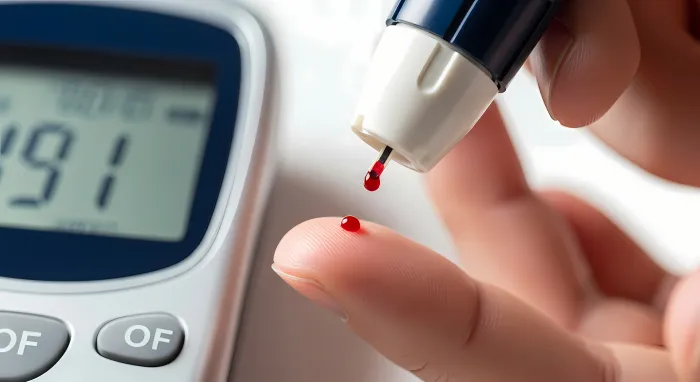
2. Blood Glucose Test
What it checks: Blood sugar levels.
Why it’s done: Screens for diabetes or prediabetes.
3. Lipid Profile
What it checks: Cholesterol (HDL, LDL) and triglycerides.
Why it’s done: Assesses heart disease risk.
4. Liver Function Test (LFT)
What it checks: Liver enzymes (ALT, AST), bilirubin, and proteins.
Why it’s done: Detects liver damage or disease.
5. Kidney Function Test (KFT)
What it checks: Creatinine, urea, and electrolytes.
Why it’s done: Evaluates kidney health.
6. Thyroid Function Test (TFT)
What it checks: TSH, T3, T4 hormones.
Why it’s done: Diagnoses thyroid disorders (hypothyroidism/hyperthyroidism).
7. Vitamin D & B12 Tests
What it checks: Vitamin levels.
Why it’s done: Detects deficiencies that cause fatigue, weakness, or bone problems.
8. Iron Studies
What it checks: Iron, ferritin, and transferrin levels.
Why it’s done: Diagnoses anaemia or iron overload.
Get Your Health Assessed


Who Should Get Routine Blood Tests?
While everyone can benefit from periodic testing, it’s especially important for:
Adults over 30 – Annual tests help monitor age-related risks.
People with chronic conditions (diabetes, hypertension, thyroid issues).
Those with a family history of heart disease, diabetes, or cancer.
Individuals with symptoms like fatigue, weight changes, or frequent infections.
Pregnant women – To ensure a healthy pregnancy.
If you’re unsure which tests you need, consult a doctor.
How to Prepare for a Blood Test?
Most blood tests require fasting (no food for 8-12 hours) for accurate results. Here’s how to prepare:
Stay hydrated (drink water unless told otherwise).
Avoid fatty foods before a lipid test.
Inform your doctor about medications/supplements.
Wear loose sleeves for easy blood draw.
The process is quick, usually just a small prick!
Tips for Maintaining Healthy Blood Test Results
If your tests show any abnormalities, don’t panic. Many issues can be managed with lifestyle changes:
For High Cholesterol or Heart Risk
Eat more fiber (oats, fruits, veggies).
Reduce fried foods, sugar, and processed meats.
Exercise 30 minutes daily.
For Blood Sugar Control
Limit refined carbs (white bread, sweets).
Choose whole grains, proteins, and healthy fats.
Stay active to improve insulin sensitivity.
For Low Vitamin D/B12
Get sunlight exposure (10-15 mins/day).
Eat eggs, dairy, fish, or fortified foods.
Consider supplements if prescribed.
For Liver & Kidney Health
Drink plenty of water.
Avoid excess alcohol and painkillers.
Eat lean proteins and reduce salt.
When Should You Get Tested?
Knowing the right time to get tested can make a big difference in early detection and effective treatment. Here's when you should consider scheduling your tests:
Annually if you’re healthy (for prevention).
Every 3-6 months if managing a condition.
As advised by your doctor if symptoms appear.
Final Thoughts
Routine blood tests are a powerful tool for staying ahead of health problems. Even if you feel fine, getting tested can prevent future complications.
Consult a Top General Physician for the best advice

Dr. Rajib Ghose
General Physician/ Internal Medicine Specialist
25 Years • MBBS
East Midnapore
VIVEKANANDA SEBA SADAN, East Midnapore

Dr. Soumen Paul
General Practitioner
24 Years • MBBS
Kolkata
MCR SUPER SPECIALITY POLY CLINIC & PATHOLOGY, Kolkata

(25+ Patients)

Dr. Pinaki Mukhopadhyay
General Practitioner
33 Years • MBBS
Kolkata
MCR SUPER SPECIALITY POLY CLINIC & PATHOLOGY, Kolkata
(25+ Patients)

Dr. Meenakshi N
Family Physician
28 Years • MBBS DNB family medicine MPH FIMSA MNAMS
Noida
Apollo Hospitals Sector 26, Noida

Dr. Sougata Kumar
General Practitioner
9 Years • MBBS
East Midnapore
VIVEKANANDA SEBA SADAN, East Midnapore