


10 High-Energy Foods to Boost Metabolism Naturally
Discover 10 science-backed metabolism foods for a steady energy diet. Learn how protein, fiber, and spices support calorie burn and all-day energy.

Written by Dr. Mohammed Kamran
Reviewed by Dr. Rohinipriyanka Pondugula MBBS
Last updated on 13th Jan, 2026
Introduction
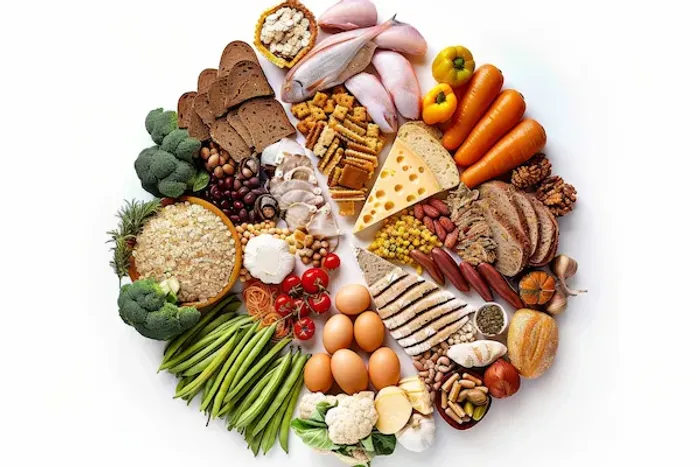
Feeling sluggish or hitting an afternoon slump? What you eat can make a real difference in how energized you feel and how your body uses calories. While no single food can “supercharge” your metabolism on its own, choosing the right mix of metabolism foods as part of a balanced energy diet can support steady energy, help you feel fuller longer, and slightly increase the calories you burn through digestion and daily activity.
Metabolism is the process your body uses to convert food and drink into energy. Some foods require more energy to digest and absorb, support muscle maintenance, or contain compounds that may modestly raise energy expenditure. The goal isn’t quick fixes, it’s building an eating pattern that works with your body for sustainable energy and wellness.
What Makes a Food Support Metabolism?
A few evidence-informed principles explain why certain foods belong in a metabolism-friendly, energy diet:
- Protein has a higher thermic effect than carbs or fats, meaning your body uses more energy to digest it. It also helps maintain muscle, which burns more calories at rest than fat.
- Fiber helps steady blood sugar, preventing energy dips that can lead to overeating.
- Micronutrients like iron, iodine, and B vitamins support processes that help your cells produce energy and keep your thyroid and red blood cells working properly.
- Bioactive compounds such as capsaicin (in chili peppers) and small amounts of caffeine (in cocoa) may modestly increase energy expenditure in some people.
- Hydration and overall diet quality matter. A healthy pattern rich in whole foods supports metabolism and energy better than any single “magic” item.
10 High-Energy Foods to Include in Your Day
1) Lean Proteins (Chicken, Turkey, Tofu, Tempeh)
Why they help: Protein has a higher thermic effect compared with carbs or fats and helps preserve lean muscle mass. Muscle tissue uses more energy at rest, which supports your overall metabolic rate.
How To Use Them?
- Add grilled chicken or baked tofu to salads and grain bowls.
- Choose minimally processed options; aim for palm-sized portions at meals.
- Rotate plant and animal proteins for variety and nutrient balance.
Consult a Top General Physician
2) Eggs
Why they help: Eggs are a compact source of high-quality protein plus B vitamins like B12 and riboflavin that support energy metabolism at the cellular level. Protein-rich breakfasts are linked to better satiety and steadier energy.
How To Use Them?
- Build a veggie omelet with spinach, mushrooms, and tomatoes.
- Prep hard-boiled eggs for a quick snack or salad topper.
- If cholesterol is a concern, talk with your healthcare provider about what’s right for you.
3) Fatty Fish (Salmon, Sardines, Trout)
Why they help: Fatty fish provide protein for the thermic effect and satiety, plus omega-3 fats that support overall health. They’re also rich in nutrients like vitamin D and B12, which, when deficient, can contribute to fatigue.
How To Use Them?
- Enjoy baked or grilled salmon twice a week.
- Try canned sardines or salmon on whole-grain toast with lemon and herbs.
- Choose lower-mercury options (salmon, sardines, trout) regularly.
4) Greek Yogurt (Unsweetened)
Why it helps: Greek yogurt delivers more protein than many regular yogurts, supporting satiety and the thermic effect of food. It also contains calcium and can provide live cultures that support gut health.
How To Use It?
- Make a parfait with berries and a sprinkle of nuts or seeds.
- Use plain Greek yogurt as a creamy base for dressings instead of mayonnaise.
- Check labels for added sugars; choose unsweetened varieties.
5) Beans And Lentils
Why they help: Beans and lentils combine plant protein and fiber, which supports fullness, steadier blood sugar, and the energy cost of digestion. They also supply iron, a mineral essential for oxygen transport and energy production.
How To Use Them?
- Add lentils to soups and stews or toss chickpeas into salads.
- Make a bean-and-veggie chili with tomatoes, peppers, and onions.
- Rinse canned beans to reduce sodium.
6) Whole Grains (Oats, Quinoa, Brown Rice)
Why they help: Whole grains provide fiber and B vitamins that help your body turn food into usable energy. Compared with refined grains, they promote steadier blood glucose and reduce energy crashes.
How To Use Them?
- Start the day with oatmeal topped with fruit and nuts.
- Build a quinoa bowl with roasted vegetables and lean protein.
- Swap white rice for brown rice or farro in stir-fries and sides.
7) Nuts And Seeds (Almonds, Walnuts, Pumpkin, Chia)
Why they help: Nuts and seeds offer protein, fiber, and healthy fats that promote satiety and steady energy. They also provide magnesium, a mineral involved in energy metabolism.
How To Use Them?
- Snack on a small handful of mixed nuts.
- Sprinkle chia or pumpkin seeds over yogurt, salads, or oatmeal.
- Watch portions: a small handful (about 1 ounce) goes a long way.|
8) Chili Peppers (And Red Pepper Flakes)
Why they help: Capsaicin, the compound that makes chili peppers spicy, can modestly increase energy expenditure and may help reduce appetite in some people. Effects are small, but they can complement a healthy eating pattern.
How To Use Them?
- Add chopped fresh chilies to stir-fries, chili, or salsas.
- Sprinkle red pepper flakes on roasted veggies or whole-grain pasta.
- If you have heartburn or GI sensitivity, use caution.
9) Seaweed (Nori, Wakame), In Moderation
Why it helps: Some seaweeds are natural sources of iodine, a mineral your thyroid needs to make hormones that help regulate metabolic rate. Iodine content can be high, so small portions are best, and not everyone needs extra iodine.
How To Use It?
- Add a small sheet of nori to the grain bowls.
- Sprinkle a pinch of dried seaweed flakes into soups or salads.
- If you have thyroid issues or take thyroid medication, consult your clinician before increasing iodine-rich foods.
10) Dark Chocolate (70% Cacao Or Higher)
Why it helps: Dark chocolate contains a small amount of caffeine and cocoa flavanols. While it won’t “speed up” metabolism dramatically, it can gently support alertness and satisfaction within a balanced energy diet.
How To Use It?
- Enjoy a small square (about 1 ounce) after a meal.
- Add unsweetened cocoa powder to smoothies or oatmeal.
- Choose higher-cacao bars with minimal added sugar.
A Sample 1-Day Energy Diet Using These Foods
- Breakfast: Veggie omelet (2 eggs, spinach, mushrooms), side of oatmeal topped with berries and chopped walnuts.
- Snack: Plain Greek yogurt with chia seeds and cinnamon.
- Lunch: Quinoa bowl with grilled chicken, mixed greens, roasted peppers, and a yogurt-herb
- dressing; sprinkle red pepper flakes if you like heat.
- Snack: Apple with a small handful of almonds.
- Dinner: Baked salmon with a side of garlicky lentils and roasted broccoli; a small sheet of toasted nori crumbled over rice or veggies.
- Treat: 1 square of 70% dark chocolate.
Smart Tips To Get The Most From Metabolism Foods
- Build every meal around protein: Aim for a lean protein source at each meal to support satiety and the thermic effect.
- Favor fiber: Fill half your plate with vegetables and include beans or whole grains daily to help steady energy.
- Stay hydrated: Even mild dehydration can sap energy. Keep water handy throughout the day.
- Move regularly: Physical activity and strength training help maintain or build muscle, which supports resting energy burn.
- Keep expectations realistic: These foods support metabolism and energy as part of an overall healthy pattern; they’re not quick fixes for weight loss.
Consult a Top General Physician
Consult a Top General Physician

Dr. Rajib Ghose
General Physician/ Internal Medicine Specialist
25 Years • MBBS
East Midnapore
VIVEKANANDA SEBA SADAN, East Midnapore

Dr. M. Krishna Bharath Reddy
General Physician/ Internal Medicine Specialist
10 Years • MD General Medicine, MRCP (London) and DM( Critical Care)
Chennai
Apollo One Chennai, Chennai

Dr. Nirmal Mathew Alex
General Physician/ Internal Medicine Specialist
17 Years • MBBS, MD(general medicine)
Angamaly
Apollo Hospitals Karukutty, Angamaly

(75+ Patients)

Dr. Aakash Garg
Gastroenterology/gi Medicine Specialist
12 Years • MBBS, DNB (Medicine), DrNB (Gastroentrology).
Bilaspur
Apollo Hospitals Seepat Road, Bilaspur
(200+ Patients)

Dr. R Gopakumar
Internal Medicine/ Covid Consultation Specialist
31 Years • MBBS, MD(general medicine
Angamaly
Apollo Hospitals Karukutty, Angamaly
(25+ Patients)
Consult a Top General Physician
Dr. Rajib Ghose
General Physician/ Internal Medicine Specialist
25 Years • MBBS
East Midnapore
VIVEKANANDA SEBA SADAN, East Midnapore
Dr. M. Krishna Bharath Reddy
General Physician/ Internal Medicine Specialist
10 Years • MD General Medicine, MRCP (London) and DM( Critical Care)
Chennai
Apollo One Chennai, Chennai
Dr. Nirmal Mathew Alex
General Physician/ Internal Medicine Specialist
17 Years • MBBS, MD(general medicine)
Angamaly
Apollo Hospitals Karukutty, Angamaly
(75+ Patients)
Dr. Aakash Garg
Gastroenterology/gi Medicine Specialist
12 Years • MBBS, DNB (Medicine), DrNB (Gastroentrology).
Bilaspur
Apollo Hospitals Seepat Road, Bilaspur
(200+ Patients)
Dr. R Gopakumar
Internal Medicine/ Covid Consultation Specialist
31 Years • MBBS, MD(general medicine
Angamaly
Apollo Hospitals Karukutty, Angamaly
(25+ Patients)
More articles from General Medical Consultation


Frequently Asked Questions
Do these foods burn fat by themselves?
No single food melts fat. Protein-rich foods, fiber, and compounds like capsaicin can have small effects on energy expenditure and appetite. The biggest impact comes from your overall eating pattern, daily activity, sleep, and stress management.
How often should I eat to support energy and metabolism?
There’s no one perfect schedule. Some people feel best with three balanced meals; others prefer smaller meals and snacks. Focus on total quality, including protein, fiber, and healthy fats, at regular intervals to avoid energy dips.
Are spicy foods safe for everyone?
Most people can enjoy moderate spice. If you have heartburn, IBS, or other GI conditions, spicy foods may trigger symptoms. Start with small amounts and listen to your body. Consult a clinician if you’re unsure.
Should I take iodine supplements to boost metabolism?
Not unless your healthcare provider recommends it. Too much iodine can harm thyroid function. If you enjoy seaweed, keep portions small and occasional. People with thyroid conditions should discuss iodine intake with their clinician.
What’s better for metabolism: low-carb, low-fat, or balanced?
A balanced, whole-food pattern that you can sustain is best for most people. Protein at each meal supports satiety and the thermic effect, while fiber-rich carbs and healthy fats help maintain steady energy. Choose the approach you can stick with long-term.