


10 Incredible Health Benefits of Pumpkin Seeds
Discover pumpkin seeds' benefits: a magnesium-rich superfood for heart, bone, and immune health. Learn nutrition, tips, FAQs, and easy ways to add them daily.

Written by Dr. Mohammed Kamran
Reviewed by Dr. Rohinipriyanka Pondugula MBBS
Last updated on 13th Jan, 2026
Introduction
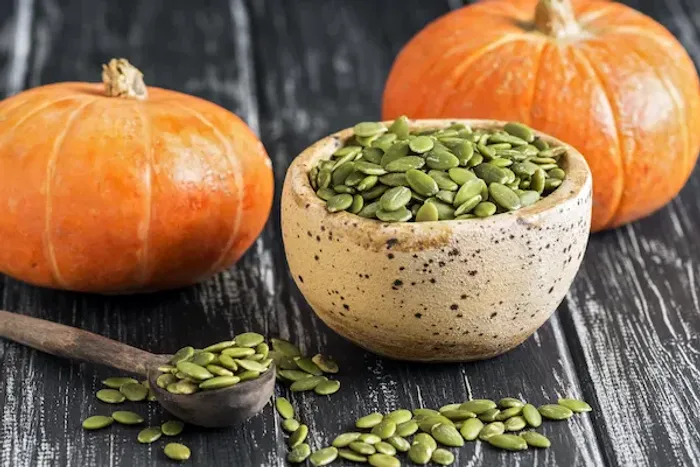
If you’re looking for a simple, tasty, and affordable way to improve your nutrition, pumpkin seeds (also called pepitas) are one of the easiest foods to add to your daily routine. These small yet mighty seeds are packed with key minerals like magnesium and zinc, along with plant-based protein, fibre, and heart-healthy fats. Many people fall short of these nutrients without realising, which is why pumpkin seeds often make the superfood list. In the guide below, we explain the top pumpkin seeds benefits, why they support general well-being, and different ways you can incorporate them into your meals and snacks effortlessly.
Why pumpkin seeds deserve a spot in your routine?
Pumpkin seeds are one of the most nutrient-dense foods available in such a small serving. They offer many everyday benefits because they are:
- Naturally nutrient-dense: A concentrated source of minerals (especially magnesium and zinc), plant-based protein, and healthy unsaturated fats.
- Versatile: They work with sweet or savoury foods — sprinkle them on salads, yoghurt, porridge, smoothies, soups, or enjoy them as a crunchy snack.
- Budget-friendly and shelf-stable: Affordable, easy to store, and ideal when you want to upgrade the nutritional value of meals without much effort.
Consult a Top Nutritionist for Personalised Advice
Top 10 Incredible Benefits of Pumpkin Seeds
Some essential benefits of pumpkin seeds include:
1) A top food source of magnesium for whole-body support
Pumpkin seeds are one of the richest natural sources of magnesium, a mineral that plays a vital role in hundreds of processes throughout the body. Magnesium contributes to:
- Maintaining normal muscle and nerve function
- Supporting a healthy heart rhythm and blood pressure
- Building and maintaining strong bones
- Energy production and blood sugar control
Many adults consume insufficient magnesium through diet alone, particularly those who eat mostly processed food, rely heavily on convenience meals, or have digestive conditions that affect nutrient absorption. Adding a small handful of pumpkin seeds to snacks or meals is an easy, food-first way to increase magnesium intake without supplements.
2) Heart health support from good fats, fibre, and plant sterols
Pumpkin seeds support heart health in several complementary ways:
- Unsaturated fats: These are the “good” fats that help maintain healthy cholesterol levels, especially when they replace saturated fats from processed snacks.
- Plant sterols: Naturally present in seeds, these compounds can help reduce LDL (“bad”) cholesterol when consumed regularly.
- Fibre: A diet that includes fibre-rich foods supports cardiovascular health and helps maintain stable cholesterol levels.
Swapping crisps or sugary snacks for a small handful of unsalted pumpkin seeds can be a simple heart-healthy habit.
3) Better blood pressure balance with magnesium
Magnesium also plays a role in regulating blood pressure. Diets rich in magnesium-containing foods are associated with healthier blood pressure over time. To support this benefit further, pair pumpkin seeds with:
- Leafy greens
- Beans and lentils
- Whole grains
- Regular physical activity
- Reducing excess sodium intake
This combined approach offers a realistic, long-term strategy for blood pressure management.
4) Everyday immune support, thanks to zinc
Zinc is critical for immune health, wound healing, and cell growth. Pumpkin seeds naturally provide zinc, making them especially useful if:
- You follow a vegetarian or vegan diet
- You struggle to obtain enough zinc from food alone
- You want to reduce the need for supplement-based sources
Including pumpkin seeds regularly can support your immune function all year round.
5) Antioxidant protection from vitamin E and plant compounds
Pumpkin seeds contain vitamin E and other plant-derived antioxidants that help combat oxidative stress — the natural wear and tear caused by everyday life, stress, pollution, and activity. A diet rich in antioxidant-containing foods such as vegetables, fruits, nuts, and seeds supports healthy ageing and general wellbeing.
6) Steady energy and digestive health from fibre
Pumpkin seeds provide fibre, supporting both digestive and metabolic health:
- Helps you feel full and satisfied between meals
- Supports regular bowel movements
- Contributes to stable blood sugar and cholesterol levels
A sprinkle of pumpkin seeds on porridge, salads, or roasted vegetables adds crunch, flavour, and fibre without changing the meal dramatically.
7) Bone health benefits from magnesium and phosphorus
Bone strength is not solely about calcium. Magnesium and phosphorus are equally important for maintaining strong, resilient bones. Pumpkin seeds naturally supply both, making them a useful addition alongside:
- Weight-bearing exercise
- A balanced diet
- Adequate hydration
This makes pumpkin seeds particularly beneficial for people who avoid dairy or want more plant-based nutrient sources.
8) Prostate and urinary tract support (modest evidence)
Research on pumpkin seed oil and extracts suggests some may experience mild relief from lower urinary tract symptoms linked to benign prostatic hyperplasia (BPH), such as:
- Frequent night-time urination
- Weak or inconsistent urine flow
These effects vary from person to person. If you’re considering pumpkin seed oil supplements, speak to your healthcare provider to ensure they are appropriate. Eating whole pumpkin seeds is still beneficial as part of a varied diet that supports overall hormonal and urinary health.
9) Easy plant-based protein for meals and snacks
Pepitas offer a convenient source of plant-based protein. When combined with their fibre and healthy fats, they help keep you full and satisfied between meals. This is especially helpful for:
- Vegetarians or vegans seeking more protein diversity
- Anyone looking to stabilise hunger between meals
- People wanting a nutrient-dense snack rather than processed foods
A tablespoon of pumpkin seeds sprinkled over yoghurt, porridge, or salads can make the meal more balanced and satiating.
10) Simple, versatile superfoods you can use every day
One of the best pumpkin seed benefits is how effortless they are to use. You can add them to nearly any dish without changing the recipe.
Try any of the ideas below:
- Add to porridge, yoghurt, or cottage cheese
- Toss onto salads, grain bowls, or roasted vegetables
- Blend into smoothies or pesto
- Sprinkle over soups just before serving
- Mix into a homemade trail mix with dried fruit and nuts
They also add a satisfying crunch and nutty flavour.
How to choose and use pumpkin seeds
Choosing the right type of pumpkin seeds enhances both flavour and nutritional quality. Tips to choose include:
- Look for pepitas (shelled pumpkin seeds) for easier eating and better digestibility.
- Choose unsalted, dry-roasted, or raw versions to reduce excess sodium or added oils.
- Check the ingredient list. Ideally, it should contain only:
- “Pumpkin seeds”
- Or pumpkin seeds with a small amount of salt (if preferred)
Storage tips
Pumpkin seeds contain natural oils, so proper storage helps maintain freshness. Storage tips include:
- Store in an airtight container
- Keep in a cool, dark cupboard
- Refrigerate or freeze if storing for longer periods to prevent the oils from becoming rancid
How much should you eat?
A simple guideline:
- A small handful (around 1–2 tablespoons or 15–30 grams) is an excellent daily target for most adults.
- If your goal is to increase magnesium intake, include pumpkin seeds several times per week alongside other magnesium-rich foods as part of a balanced diet
Who should be cautious?
Pumpkin seeds are safe for most people, but a few groups should be mindful:
- Allergies: Seed allergies are less common than nut allergies, but they can occur.
- Sodium intake: Some packaged seeds are heavily salted; choose unsalted or lightly salted if you are managing blood pressure.
- Young children: Whole seeds can be a choking risk; use ground seeds, seed butter, or mix into yoghurt for safer options.
- Supplements (like pumpkin seed oil): Check with your clinician if you take medications or have chronic health conditions.
Conclusion
Pumpkin seeds prove that nutritious food doesn’t have to be complicated or expensive. A small handful added to everyday meals provides valuable minerals, healthy fats, and plant-based protein in one convenient ingredient. Their versatility makes them incredibly easy to use — you can sprinkle, blend, mix, roast, or snack on them with minimal effort. By including pumpkin seeds as part of a balanced eating pattern, you support your heart, bones, immune system, energy levels, and digestion. Simply put, they’re one of the easiest whole foods to use for better everyday nutrition.
Consult a Top Nutritionist for Personalised Advice
Key takeaways
The key takeaway points are:
- Pumpkin seeds support heart, bone, immune, and metabolic health due to their magnesium, zinc, fibre, and healthy fats.
- They are a versatile, budget-friendly superfood.
- Aim for a small handful most days, and choose unsalted varieties.
- If considering supplements, always consult your healthcare provider first.
Consult a Top Nutritionist for Personalised Advice

Ms. Sushma Jaiswal
Dietician
42 Years • M.Sc.(Food & Nutrition)
Bengaluru
Swasthya Nutrition, Bengaluru

Ms. Neelanjana J
Dietician
5 Years • Bsc., Msc. Nutrition and Dietetics specialised general weight management, PCOS/PCOD weight loss and Diabetes management. A clinical dietitian with 4+ year experience specializing in evidence-based, result-oriented nutrition therapy. I have extensive experience in weight loss, thyroid management, PCOD/PCOS, weight gain, and diabetes & prediabetes care. My approach is personalized, practical, and sustainable—focusing on helping individuals achieve long-term lifestyle change rather than quick fixes. I work closely with clients to understand their medical history, lifestyle, and goals, and then design customized diet plans that support hormonal balance, metabolic health, and overall wellbeing. My goal is to make nutrition simple, realistic, and effective—so you see measurable results and feel your healthiest self.Auther in Health benefits of jackfruit (Artocarpus heterophyllus Lam.) seeds: A review (2023) The Pharma Innovation Journal Co- Auther in Malnutrition in Women: A review (2023) The Pharma Innovation Journal. Highfield Level 3 in HACCP. Highfield Level 4 International Award in Food Safety Managment
Bengaluru
Apollo Clinic, JP nagar, Bengaluru

Ms. Soma Saha
clinical nutrition
17 Years • B.Sc. - Home Science (Food & Nutrition), M.Sc. - Home Science (Food & Nutrition)
Kolkata
Dr Utsa Basu Clinic, Kolkata

(50+ Patients)

Dr. Ramalinga Reddy
General Physician
5 Years • MBBS MD General medicine
Bengaluru
PRESTIGE SHANTHINIKETAN - SOCIETY CLINIC, Bengaluru

Ms Mohanapriya J
clinical nutrition
12 Years • MSc Clinical Nutrition
Chennai
Apollo Sugar Clinics , Greams Road, Chennai
Consult a Top Nutritionist for Personalised Advice
Ms. Sushma Jaiswal
Dietician
42 Years • M.Sc.(Food & Nutrition)
Bengaluru
Swasthya Nutrition, Bengaluru
Ms. Neelanjana J
Dietician
5 Years • Bsc., Msc. Nutrition and Dietetics specialised general weight management, PCOS/PCOD weight loss and Diabetes management. A clinical dietitian with 4+ year experience specializing in evidence-based, result-oriented nutrition therapy. I have extensive experience in weight loss, thyroid management, PCOD/PCOS, weight gain, and diabetes & prediabetes care. My approach is personalized, practical, and sustainable—focusing on helping individuals achieve long-term lifestyle change rather than quick fixes. I work closely with clients to understand their medical history, lifestyle, and goals, and then design customized diet plans that support hormonal balance, metabolic health, and overall wellbeing. My goal is to make nutrition simple, realistic, and effective—so you see measurable results and feel your healthiest self.Auther in Health benefits of jackfruit (Artocarpus heterophyllus Lam.) seeds: A review (2023) The Pharma Innovation Journal Co- Auther in Malnutrition in Women: A review (2023) The Pharma Innovation Journal. Highfield Level 3 in HACCP. Highfield Level 4 International Award in Food Safety Managment
Bengaluru
Apollo Clinic, JP nagar, Bengaluru
Ms. Soma Saha
clinical nutrition
17 Years • B.Sc. - Home Science (Food & Nutrition), M.Sc. - Home Science (Food & Nutrition)
Kolkata
Dr Utsa Basu Clinic, Kolkata
(50+ Patients)
Dr. Ramalinga Reddy
General Physician
5 Years • MBBS MD General medicine
Bengaluru
PRESTIGE SHANTHINIKETAN - SOCIETY CLINIC, Bengaluru
Ms Mohanapriya J
clinical nutrition
12 Years • MSc Clinical Nutrition
Chennai
Apollo Sugar Clinics , Greams Road, Chennai
More articles from General Medical Consultation



Frequently Asked Questions
Are pumpkin seeds really high in magnesium?
Yes. Pumpkin seeds are one of the richest plant-based sources of magnesium. Magnesium supports muscle and nerve function, maintains a healthy heart rhythm, supports bones, and plays a role in energy production.
Can pumpkin seeds lower cholesterol?
Pumpkin seeds contain unsaturated fats, fibre, and plant sterols — nutrients that support healthy cholesterol levels as part of a heart-conscious eating pattern.
Do pumpkin seeds help with prostate health?
Some studies show that pumpkin seed oil may offer mild symptom relief for certain people living with BPH. Effects differ, and supplements should not replace medical advice.
Is it better to eat pumpkin seeds raw or roasted?
Both are healthy choices. Raw seeds preserve delicate fats; dry-roasting adds flavour. Choose unsalted to avoid excess sodium.
How can I add pumpkin seeds to my diet if I don’t enjoy them plain?
Blend into smoothies, stir into porridge, sprinkle on soups or salads, or use in homemade granola or seed pesto.