


Pistachios: 7 Incredible Health Benefits & Nutrition
Learn all about the benefits of pistachios. 7 science-backed perks of healthy nuts for heart health, weight, blood sugar, eyes, and gut.

Written by Dr. Vasanthasree Nair
Reviewed by Dr. Rohinipriyanka Pondugula MBBS
Last updated on 14th Jan, 2026
Introduction
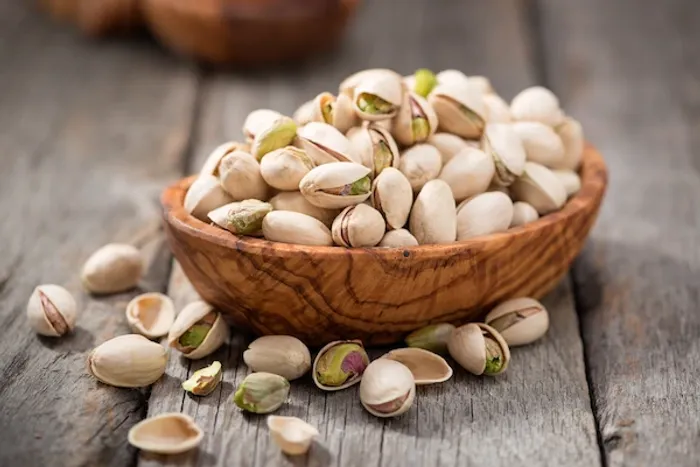
Crunchy, colourful, and naturally satisfying, pistachios pack impressive nutrition into a small shell. If you’ve wondered about pistachios’ benefits, you’re not alone. These healthy nuts offer a smart way to boost everyday eating with plant protein, fibre, and key vitamins and minerals. They’re also a tasty choice for heart health when you use them to replace less nutritious snacks. Below, you’ll find a simple, evidence-based guide to what makes pistachios special, how they support wellness, practical serving tips, and answers to common questions.
Pistachios Benefits At A Glance
Here are the benefits of pistachios at a glance:
- Heart-smart fats that support healthy cholesterol levels
- Protein and fiber that help you feel full and satisfied
- Steady-energy snack that can fit into blood sugar-friendly eating
- Eye-supporting antioxidants (lutein and zeaxanthin)
- Gut-friendly fibre for digestion and a healthy microbiome
- Potassium for healthy blood pressure and muscle function
- Nutrient density (vitamin B6, thiamin, copper) for overall wellness
Consult a Top Nutritionist
What Makes Pistachios a Nutrient-Dense Snack?
Pistachios offer a balance of macronutrients and protective plant compounds:
- Heart-friendly fats: Mostly monounsaturated and polyunsaturated fats that are associated with better cardiovascular markers when used in place of foods high in saturated fat.
- Plant protein: A satisfying source of protein that helps with fullness and daily protein needs.
- Fibre: Supports digestive health and may help with cholesterol management as part of a balanced diet.
- Vitamins and minerals: Notably vitamin B6 (important for energy metabolism and immune function), thiamin, copper, and potassium.
- Antioxidants: Including lutein and zeaxanthin (well-known for eye health) and various polyphenols.
Tip: Choose unsalted or lightly salted pistachios most often to keep sodium in check.
The 7 Science-Backed Ways Pistachios Support Your Health
Here are the 7 science-backed ways pistachios support your health:
1. Support Heart Health
Eating nuts regularly is linked with better cardiovascular outcomes. Pistachios provide:
- Unsaturated fats that can help improve your lipid profile when they replace saturated fats in meals and snacks.
- Fibre and naturally occurring plant compounds (such as phytosterols) that support healthy cholesterol levels.
- Potassium, which supports normal blood pressure.
Major health organisations encourage patterns of eating that emphasise unsaturated fats from foods like nuts, along with fruits, vegetables, whole grains, and legumes. Swapping refined snacks or foods high in saturated fat for a small handful of pistachios is an easy, heart-smart upgrade.
2. Help With Weight Management and Fullness
Pistachios can fit into a healthy weight plan because they’re satisfying:
- Protein and fibre slow digestion and help you feel fuller for longer.
- The natural act of shelling pistachios can encourage slower, more mindful eating.
- Their combination of healthy fats, protein, and fibre makes them a sturdy snack that can keep you energised between meals.
Because nuts are calorie-dense, mindful portions matter. A standard serving is about 1 ounce (roughly a small handful). Enjoy them as part of balanced meals and snacks rather than in addition to your usual intake.
3. A Smart Choice For Steady Blood Sugar
Pistachios are lower in carbohydrates than many snack foods and contain fibre, fat, and protein, three nutrients that help blunt rapid rises in blood sugar when eaten with carbohydrates. As part of a balanced eating plan:
- Pair pistachios with fruit or whole-grain crackers for a more even energy release.
- Consider them as a topping for yoghurt or oatmeal for extra staying power.
If you manage diabetes or prediabetes, discuss individual carb goals with your healthcare team; pistachios can be a useful component of blood sugar–friendly snacks.
4. Nourish Your Gut With Fibre
Each serving of pistachios provides dietary fibre, which:
- Supports regularity and digestive comfort
- Helps feed beneficial gut bacteria
- Contributes to overall metabolic health as part of a high-fiber eating pattern
Most adults fall short on fibre. Adding a daily portion of pistachios can help move your intake closer to recommended levels, especially when combined with plenty of vegetables, fruits, whole grains, and legumes.
5. Support Eye Health With Lutein and Zeaxanthin
Pistachios are one of the few nuts that naturally provide notable amounts of lutein and zeaxanthin, two antioxidants that concentrate in the macula of the eye. These nutrients help filter high-energy light and support long-term eye health as part of an overall balanced diet rich in colourful produce.
6. Potassium For Healthy Blood Pressure and Muscles
Potassium helps counterbalance the effects of sodium and supports normal blood pressure, muscle contractions, and nerve signalling. Pistachios provide potassium, so choosing unsalted or lightly salted varieties lets you gain the benefits without excess sodium. If you’re watching your blood pressure, this is a smart swap for salty, refined snacks.
7. Antioxidants and Nutrients For Overall Wellness
Beyond fats, protein, and fibre, pistachios supply a range of antioxidants and micronutrients (including vitamin B6, thiamin, and copper). Antioxidants help protect cells from oxidative stress, while B vitamins support energy metabolism. Including pistachios alongside vegetables, fruits, whole grains, and lean proteins contributes to a nutrient-dense, diverse diet.
How Much Should You Eat: Serving Size, Timing, and Safety
Understanding the right portions and mindful consumption of pistachios can help you enjoy their benefits safely and effectively.
- A practical portion: About 1 ounce per day works well for most people’s snack needs (roughly a small handful or around 49 kernels). Adjust based on your energy needs and goals.
- Best choices: Unsalted or lightly salted, raw or dry-roasted pistachios maintain nutrients without extra oils or sugars.
- Allergy note: Pistachios are tree nuts. If you have a nut allergy, avoid pistachios and check labels for cross-contamination.
- Sodium watch: Salted and flavoured varieties can add a lot of sodium; high sodium intake is linked with higher blood pressure. Choose lower-sodium options most often.
- Storage: Keep pistachios in a cool, dark place. For longer freshness, store shelled nuts in the refrigerator or freezer in an airtight container.
Easy, Delicious Ways To Add Pistachios To Your Day
Here are some of the ways to add pistachios to your daily diet:
- Sprinkle chopped pistachios on oatmeal, yoghurt, or cottage cheese.
- Toss into salads or grain bowls for crunch and colour.
- Blend into herb pesto or chimichurri for a nutty twist.
- Use as a crust for baked fish or chicken.
- Add to homemade trail mix with unsweetened dried fruit and a few dark chocolate pieces (portion it out ahead of time).
- Stir into sautéed vegetables or roasted carrots for texture.
- Top fruit with a spoonful of ricotta and crushed pistachios for a quick dessert.
Conclusion
Pistachios deliver impressive health benefits, from supporting heart health and blood sugar control to providing antioxidants, protein, fibre, and key nutrients like vitamin B6 and potassium. Incorporating a modest daily handful, around 49 kernels, into a balanced diet maximises these advantages while aiding weight management and gut health. Enjoy them mindfully as part of varied nutrition for optimal wellbeing.
Consult a Top Nutritionist
Consult a Top Nutritionist

Ms. Sushma Jaiswal
Dietician
42 Years • M.Sc.(Food & Nutrition)
Bengaluru
Swasthya Nutrition, Bengaluru

Ms. Neelanjana J
Dietician
5 Years • Bsc., Msc. Nutrition and Dietetics specialised general weight management, PCOS/PCOD weight loss and Diabetes management. A clinical dietitian with 4+ year experience specializing in evidence-based, result-oriented nutrition therapy. I have extensive experience in weight loss, thyroid management, PCOD/PCOS, weight gain, and diabetes & prediabetes care. My approach is personalized, practical, and sustainable—focusing on helping individuals achieve long-term lifestyle change rather than quick fixes. I work closely with clients to understand their medical history, lifestyle, and goals, and then design customized diet plans that support hormonal balance, metabolic health, and overall wellbeing. My goal is to make nutrition simple, realistic, and effective—so you see measurable results and feel your healthiest self.Auther in Health benefits of jackfruit (Artocarpus heterophyllus Lam.) seeds: A review (2023) The Pharma Innovation Journal Co- Auther in Malnutrition in Women: A review (2023) The Pharma Innovation Journal. Highfield Level 3 in HACCP. Highfield Level 4 International Award in Food Safety Managment
Bengaluru
Apollo Clinic, JP nagar, Bengaluru

Ms. Sreeparna Dey Dhara Deb
Dietician
10 Years • DNHE
Bansdroni
Siddhita Healthcare., Bansdroni

Dr. Eti Jain
Dietician
11 Years • MSc in Nutrition
Gurugram
Diets by Dietitian Eti, Gurugram

Ms. Soma Saha
clinical nutrition
17 Years • B.Sc. - Home Science (Food & Nutrition), M.Sc. - Home Science (Food & Nutrition)
Kolkata
Dr Utsa Basu Clinic, Kolkata

(50+ Patients)
Consult a Top Nutritionist
Ms. Sushma Jaiswal
Dietician
42 Years • M.Sc.(Food & Nutrition)
Bengaluru
Swasthya Nutrition, Bengaluru
Ms. Neelanjana J
Dietician
5 Years • Bsc., Msc. Nutrition and Dietetics specialised general weight management, PCOS/PCOD weight loss and Diabetes management. A clinical dietitian with 4+ year experience specializing in evidence-based, result-oriented nutrition therapy. I have extensive experience in weight loss, thyroid management, PCOD/PCOS, weight gain, and diabetes & prediabetes care. My approach is personalized, practical, and sustainable—focusing on helping individuals achieve long-term lifestyle change rather than quick fixes. I work closely with clients to understand their medical history, lifestyle, and goals, and then design customized diet plans that support hormonal balance, metabolic health, and overall wellbeing. My goal is to make nutrition simple, realistic, and effective—so you see measurable results and feel your healthiest self.Auther in Health benefits of jackfruit (Artocarpus heterophyllus Lam.) seeds: A review (2023) The Pharma Innovation Journal Co- Auther in Malnutrition in Women: A review (2023) The Pharma Innovation Journal. Highfield Level 3 in HACCP. Highfield Level 4 International Award in Food Safety Managment
Bengaluru
Apollo Clinic, JP nagar, Bengaluru
Ms. Sreeparna Dey Dhara Deb
Dietician
10 Years • DNHE
Bansdroni
Siddhita Healthcare., Bansdroni
Dr. Eti Jain
Dietician
11 Years • MSc in Nutrition
Gurugram
Diets by Dietitian Eti, Gurugram
Ms. Soma Saha
clinical nutrition
17 Years • B.Sc. - Home Science (Food & Nutrition), M.Sc. - Home Science (Food & Nutrition)
Kolkata
Dr Utsa Basu Clinic, Kolkata
(50+ Patients)
More articles from General Medical Consultation




Frequently Asked Questions
Are pistachios good for heart health?
Yes, when they replace less healthy snacks or foods high in saturated fat. Pistachios provide unsaturated fats, fibre, and potassium, all of which align with heart-healthy eating patterns. For best results, enjoy them as part of a balanced diet rich in vegetables, fruits, whole grains, and legumes.
Do pistachios help with weight loss?
They can help you feel satisfied thanks to protein and fibre, which may make it easier to manage portions overall. Because nuts are calorie-dense, keep servings to about a small handful and use pistachios to replace, not add to, other snacks.
Are pistachios okay for people with diabetes?
Pistachios can fit into a blood sugar–friendly eating plan. Their mix of fat, fibre, and protein helps slow the impact of carbohydrate foods when eaten together. Choose unsalted or lightly salted types, watch portions, and work with your clinician or dietitian on individualised carb goals.
What’s the healthiest way to buy pistachios?
Look for unsalted or lightly salted, raw or dry-roasted pistachios without added sugars. If sodium is a concern, choose unsalted. Store them well to maintain freshness.
How many pistachios should I eat in a day?
About 1 ounce (a small handful) is a common daily serving for snacks. If you’re very active or using pistachios to replace other calorie sources, you may include more. If you’re watching calories, pre-portion your serving.