


Purple Potatoes: Research-Based Health Benefits Explained
Discover purple potatoes benefits, from antioxidants to heart-smart nutrients. Learn evidence-based tips, cooking methods, and FAQs for healthy eating.

Written by Dr. Dhankecha Mayank Dineshbhai
Reviewed by Dr. Vasanthasree Nair MBBS
Last updated on 13th Jan, 2026
Introduction
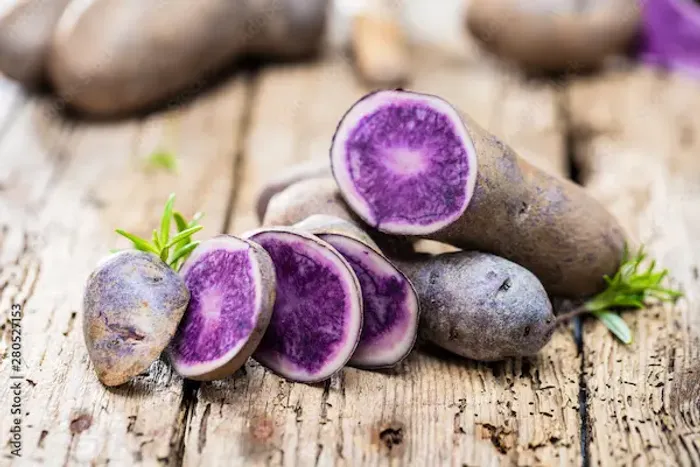
If you’ve ever spotted those vibrant, violet-hued potatoes in the produce aisle and wondered if they’re good for you, you’re not alone. Many people ask about the benefits of purple potatoes and how they compare to regular potatoes. The short answer: they can be a nutritious addition to a balanced diet, especially thanks to their natural antioxidants and helpful nutrients like potassium and fiber. Below, you’ll find research-based insights, practical cooking tips, and answers to common questions.
What Makes Purple Potatoes Purple?
The Science Of Anthocyanin Antioxidants
The striking color in purple potatoes comes from anthocyanins, a family of plant pigments also found in blueberries, blackberries, and red cabbage. Anthocyanins are a type of flavonoid that acts as an antioxidant in the body. Antioxidants help neutralize free radicals, unstable molecules that can contribute to oxidative stress. Eating a variety of antioxidant-rich plant foods is associated with overall health benefits in large population studies.
While no single food is a magic bullet, including colorful vegetables like purple potatoes can support a pattern of eating linked to better heart and metabolic health. Health organizations encourage an “eat the rainbow” approach because different colors deliver different phytonutrients. Purple foods are known for anthocyanins, which are being studied for their potential roles in heart and vascular health.
Top Purple Potatoes Benefits, Backed By Research
Purple potatoes share most of the core nutrition of other potatoes, mainly carbohydrates for energy, plus vitamins, minerals, and fiber (especially if you keep the skin on). Their unique edge is the anthocyanin pigments, which contribute additional antioxidant activity. Here are the benefits to know:
Heart-Smart Minerals: Potassium Supports Healthy Blood Pressure
Potatoes, including purple varieties, are naturally rich in potassium, a vital mineral that helps nerves, muscles, and the
heart work properly. Getting enough potassium from foods is strongly linked with supporting healthy blood pressure,
particularly when combined with limiting excess sodium intake. Consequently, major health organizations highlight
potassium-rich foods (such as potatoes, legumes, fruits, and vegetables) as an essential part of a heart-healthy dietary
pattern. It is important to note, however, that if you have kidney disease or are taking certain medications that affect
potassium levels, you must consult with your healthcare provider before significantly increasing your consumption of
high-potassium foods.
Fiber For Digestive Health And Fullness
- Potatoes with the skin provide dietary fiber, which supports regular digestion and helps you feel full and satisfied.
- A higher-fiber diet is associated with better cholesterol and blood sugar control and a lower risk of several chronic
conditions. Keeping the skin on your potatoes helps you capture more of that fiber.
Antioxidant Support From Anthocyanins
- Purple potatoes contain anthocyanins, the same pigments that give blueberries their color. These compounds function as
antioxidants. - Diets rich in a variety of antioxidant-containing plant foods are linked to better markers of heart and metabolic health in observational research. Anthocyanin-rich foods, in particular, have been associated with beneficial effects on blood vessel function in some studies.
- Importantly, antioxidants work best as part of an overall healthy dietary pattern rather than as a single “superfood”
strategy.
Blood Sugar–Savvy Prep Tips
- Potatoes can have a high glycemic impact, but how you prepare and eat them matters. Cooling cooked potatoes and then
eating them cold or reheated can increase “resistant starch,” which is digested more slowly. This can help blunt blood
sugar spikes. - Pair purple potatoes with protein (fish, chicken, tofu) and non-starchy vegetables, and consider smaller portions as part of
a balanced plate. These steps can make potato-based meals more blood-sugar-friendly.
Purple Potatoes Vs. White Or Yellow: What’s The Difference?
- Similar basics: All potato types provide carbohydrates for energy, along with potassium, vitamin C, vitamin B6, and fiber (especially with the skin).
- The purple advantage: Purple potatoes stand out because of their anthocyanin pigments, which contribute to antioxidant
activity. White and yellow potatoes don’t have the same level of these specific pigments. - Not “low carb”: Purple potatoes are not lower in carbohydrates than other potatoes. If you’re watching carbs, focus on
portions and the overall meal mix (protein, veggies, healthy fats).
Consult Top Specialists
How To Choose, Cook, And Eat Purple Potatoes To Keep Antioxidants?
You don’t need fancy recipes to enjoy the benefits. A few simple practices can help you get the most from purple potatoes
and their antioxidants:
- Keep the skin on: Much of a potato’s fiber (and some of the pigments in purple varieties) is in or near the skin. Scrub well and leave skins on when possible.
- Gentle cooking: Roasting, steaming, or microwaving can help prevent excessive nutrient loss. If you boil, try using less
water and avoid overcooking. - Smart pairings: Combine with lean protein and non-starchy vegetables to balance the plate. Drizzle with olive oil or add
avocado for flavor and satisfaction. - Cool and reheat: For a lower glycemic impact, cook potatoes ahead of time, chill them, and serve in a salad or reheat
later. This can increase resistant starch. - Avoid deep-frying: Frying adds excess calories and unhealthy fats. Opt for baking, roasting, air-frying with minimal oil,
or steaming.
Simple Ways To Add Purple Potatoes To Your Week
- Sheet-pan dinner: Toss cubed purple potatoes, Brussels sprouts, and onions with olive oil, garlic, and pepper. Roast and
serve with salmon or chicken. - Warm-and-chilled salad: Roast baby purple potatoes, cool, then toss with arugula, cherry tomatoes, lemon vinaigrette,
and a sprinkle of feta. - Veggie hash: Sauté diced purple potatoes with bell peppers, spinach, and onions; top with an egg or tofu for a satisfying
breakfast-for-dinner.
Who Might Need To Be Cautious?
- Kidney disease: People with chronic kidney disease may need to limit potassium. Ask your care team how potatoes fit into your plan.
- Diabetes or prediabetes: Potatoes can raise blood sugar. Portion size, meal composition, and preparation methods (like
cooling/reheating) are important. Monitor your response and work with a healthcare professional or dietitian. - Nightshade sensitivity: Potatoes are in the nightshade family. If you notice symptoms after eating nightshades, discuss
this with your clinician. - Frying and adding sodium: The main health downsides come from how potatoes are prepared (e.g., deep-frying, heavy
salting). Choose heart-healthy methods and season with herbs, spices, citrus, and small amounts of salt if needed.
Your Key Takeaways
- Purple potatoes can be part of a healthy diet, offering the familiar nutrition of potatoes plus anthocyanin pigments that act
as antioxidants. - The most meaningful purple potato benefits come when you enjoy them within an overall diet rich in fruits, vegetables,
legumes, whole grains, lean proteins, and healthy fats. - Preparation matters: keep the skin on, cook gently, balance your plate, and consider cooling and reheating to increase
resistant starch. - If you have medical conditions affecting potassium or blood sugar, personalize your approach with a healthcare
professional.
Consult Top Specialists
Consult Top Specialists

Dr. Rik Sadhukhan
Ayurveda Practitioner
8 Years • BAMS
Kolkata
Vedhive Ayurveda, Ballygunge, Kolkata

Dr. Anjan Das
Ayurveda Practitioner
8 Years • Ayurvedacharya ( B.A.M.S )
Dumdum
Vedhive Ayurveda Clinic, Dumdum

Dr. Shiv Prakash Singh
Ayurveda Practitioner
19 Years • BAMS
Kolkata
Vedhive Ayurveda College Street, Kolkata

(50+ Patients)
Consult Top Specialists
Dr. Rik Sadhukhan
Ayurveda Practitioner
8 Years • BAMS
Kolkata
Vedhive Ayurveda, Ballygunge, Kolkata
Dr. Anjan Das
Ayurveda Practitioner
8 Years • Ayurvedacharya ( B.A.M.S )
Dumdum
Vedhive Ayurveda Clinic, Dumdum
Dr. Shiv Prakash Singh
Ayurveda Practitioner
19 Years • BAMS
Kolkata
Vedhive Ayurveda College Street, Kolkata
(50+ Patients)
More articles from General Medical Consultation

Frequently Asked Questions
1. Are purple potatoes healthier than white potatoes?
They’re similar in calories, carbs, and basic nutrients. The main advantage of purple potatoes is their anthocyanin pigments, which add antioxidant activity. Whether purple is “healthier” depends on your overall diet and how you prepare it.
2. Do purple potatoes have a lower glycemic index?
Not necessarily. All potatoes can raise blood sugar. However, cooking, cooling, and then eating potatoes cold or reheated can increase resistant starch and may reduce the glycemic impact. Pairing potatoes with protein, fiber, and healthy fats also helps.
3. Can purple potatoes help lower blood pressure?
Purple potatoes are rich in potassium, a mineral that supports healthy blood pressure as part of an overall balanced, lower-sodium diet. No single food will lower blood pressure on its own, your overall eating pattern and lifestyle matter most.
4. How do I cook purple potatoes to keep antioxidants?
Leave the skin on, avoid overcooking, and use methods like roasting, steaming, microwaving, or air-frying with minimal oil. If boiling, use as little water as practical and avoid overcooking. These steps help preserve nutrients.
5) What are the main purple potatoes in a nutshell?
- Potassium for heart and muscle function
- Fiber (especially with the skin) for digestion and fullness
- Anthocyanin antioxidants from their purple color
- Versatility and satisfaction, making it easier to enjoy more vegetables as part of a balanced diet