


All About Citrus Fruits: Health Benefits & Nutrition
Discover citrus fruit benefits: top Vitamin C foods that support immunity, heart health, and hydration. Tips, FAQs, and safety advice.

Written by Dr. Dhankecha Mayank Dineshbhai
Reviewed by Dr. Md Yusuf Shareef MBBS, Advanced Certificate Course in Dermatology
Last updated on 14th Jan, 2026
Introduction
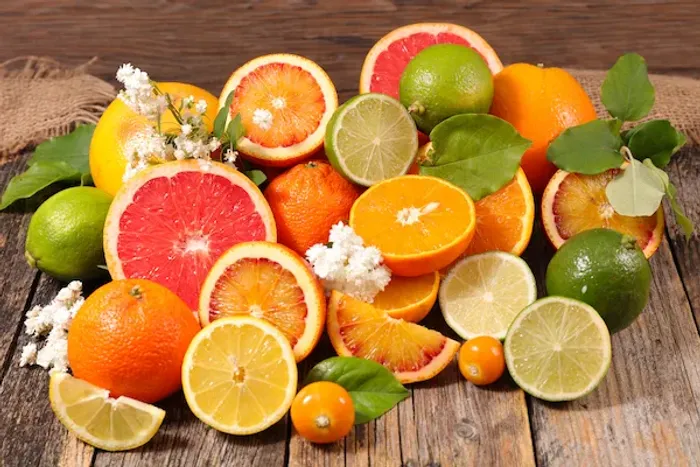
Citrus fruits, like oranges, grapefruits, lemons, limes, and tangerines, are colorful, affordable, and packed with nutrition. Many people look to citrus for citrus fruit benefits, especially because these fruits are among the best Vitamin C foods. While no single food is a magic immunity booster, citrus can play a helpful role in supporting your body’s defenses and overall health. Here’s what to know, how to enjoy citrus safely, and what the science says.
What Counts As Citrus?
Citrus fruits include
- Oranges (navel, Valencia), mandarins, tangerines, clementines
- Grapefruit (pink, red, white) and pomelo
- Lemons and limes
- Less common: yuzu, kumquats, and Seville (bitter) oranges
You can eat them fresh, add segments to salads, zest the peel into recipes, or use the juice in dressings and marinades.
Citrus Fruit Benefits At A Glance
- Rich in vitamin C, an antioxidant that supports immune function and collagen formation
- Good source of fiber (when eaten whole), which supports gut and heart health
- Provides flavonoids (like hesperidin and naringenin) linked to vascular health
- Supplies potassium to help balance sodium and support healthy blood pressure
- Hydrating and generally low in calories
- Natural citrate (especially in lemon and lime) may help reduce certain kidney stone risks
Vitamin C Foods: Why Citrus Stands Out?
Citrus fruits are the undisputed champions in a line-up of Vitamin C foods.
Vitamin C Helps
- Support immune cell function and the skin’s barrier
- Protect cells from oxidative stress (antioxidant action)
- Build collagen for skin, cartilage, and wound healing
- Enhance absorption of nonheme iron from plant foods
How much do you need? Most adults need about 75–90 mg of vitamin C per day, and smokers need about 35 mg more per day than nonsmokers. The upper limit from supplements is 2,000 mg per day. Many citrus fruits provide a substantial portion of daily vitamin C in one serving. If you want variety, other Vitamin C foods include bell peppers, strawberries, kiwi, broccoli, and tomatoes.
Consult a Top General Physician
Are Citrus Fruits An “Immunity Booster”?
It’s best to think of citrus as one piece of a balanced, immune-supportive diet rather than a standalone immunity booster. Vitamin C supports normal immune function, and regularly meeting your daily needs from foods like citrus is a practical approach. Some studies suggest vitamin C can slightly reduce the duration of common cold symptoms for some people, but it does not prevent all infections or replace vaccination, sleep, physical activity, or good hygiene.
Heart, Skin, And Digestive Perks
Vitamin C: Essential for the heart, skin, and digestion, yet why does citrus often overshadow other rich food sources?
Heart Health
- Fiber in whole citrus can help support healthy cholesterol levels.
- Potassium helps counterbalance sodium, supporting healthy blood pressure.
- Citrus flavonoids are being studied for vascular benefits. Eating more fruits and vegetables overall, including citrus, is linked with a lower risk of heart disease.
Skin And Collagen
- Vitamin C is essential for collagen formation, which supports skin structure and wound healing.
- Antioxidants in citrus help protect cells from oxidative stress caused by normal metabolism and environmental exposures.
Digestion And Gut Health
- Whole citrus (not juice) provides fiber that supports regularity and nourishes beneficial gut bacteria.
Citrus is hydrating, which also supports normal digestion.
Kidney Stones And Iron Absorption
Kidney stones and altered iron absorption often intersect due to shared underlying metabolic imbalances, particularly those involving calcium and oxalate.
Kidney Stones
- Citrate in citrus fruits (notably lemon and lime) can help inhibit the formation of certain kidney stones, especially calcium oxalate stones, by binding calcium in urine and reducing crystallization.
- Practical tip: Drinking water with a squeeze of lemon or lime can boost citrate intake and hydration. This is supportive, not a substitute for personalized medical care if you have a history of stones.
Iron Absorption
- Vitamin C helps your body absorb nonheme iron from plant foods. Combine citrus with iron-rich plants, like beans, lentils, spinach, or fortified grains, to improve absorption. For example, add lemon to lentil soup or orange segments to a spinach salad.
Whole Fruit Vs. Juice
- Whole fruit is generally the better everyday choice because it contains fiber and is more filling, with a slower impact on blood sugar.
- If you drink juice, choose 100% citrus juice and keep portions modest (for adults, think about a small glass). Avoid juices with added sugars.
- Children benefit from whole fruit most of the time; limit juice according to pediatric guidance from your healthcare provider.
Who Should Be Cautious With Citrus?
People with a history of kidney stones and those managing iron absorption issues should exercise caution with high citrus intake.
Grapefruit And Medications
Grapefruit and certain related citrus (like Seville orange and pomelo) can interact with a number of medications by affecting how they’re metabolized. Notable categories include:
- Some statins (cholesterol-lowering drugs)
- Certain calcium channel blockers (for blood pressure)
- Some antiarrhythmics, immunosuppressants, and other medications
Because interactions depend on the specific drug and dose, check with your pharmacist or clinician before consuming grapefruit or products containing it.
Acid Reflux Or Sensitive Stomach
- Acidic fruits and juices can trigger heartburn in some people with GERD. If you notice symptoms, try smaller portions, pair citrus with other foods, and avoid lying down soon after eating.
Dental Enamel
- Acidic juices can soften tooth enamel. To protect your teeth:
- Enjoy citrus as part of meals.
- Rinse your mouth with water after acidic foods or drinks.
- Avoid brushing for about 30 minutes after acidic drinks.
Allergies And Skin Sensitivity
- Citrus allergy is uncommon but possible. Some people get skin irritation from citrus oils or peels.
- Stop eating and seek care if you experience swelling, hives, or trouble breathing.
Blood Sugar Considerations
- Whole citrus has a moderate amount of natural sugar and beneficial fiber. If you have diabetes or prediabetes, consider portion size and pair citrus with protein or healthy fat. Your care team can help tailor a plan.
How Much Citrus Fits Into A Healthy Diet?
- Citrus fruits are a delicious and nutrient-dense way to contribute essential vitamins and antioxidants to a healthy, balanced diet.
- Aim for a pattern of eating that includes plenty of fruits and vegetables daily. Global guidance encourages at least 400 grams of fruits and vegetables per day combined.
- A practical approach: include fruit at one or two meals or snacks most days, and rotate types (citrus, berries, apples, melons) for a broad range of nutrients.
- One medium orange or a cup of citrus segments can count as a fruit serving in many meal plans.
Smart, Easy Ways To Add Citrus
- Brighten up your kitchen with Smart, Easy Ways to Add Citrus.
- Squeeze lemon over grilled fish or vegetables
- Add orange or grapefruit segments to green salads
- Blend orange and lime into a vinaigrette with olive oil
- Use zest to brighten yogurt, oatmeal, or stir-fries
- Make a citrus salsa with lime, orange, cilantro, and onion
- Infuse water with lemon, lime, or orange slices for a refreshing drink
Key Takeaways On Citrus Fruit Benefits
- Citrus is a top-tier source of vitamin C and other helpful plant compounds.
- Whole citrus beats juice for fiber and fullness.
- Citrus can support immune function, heart health, skin, and kidney stone prevention strategies.
- Watch for grapefruit–medication interactions and consider GERD and dental sensitivity.
- Think of citrus as a delicious, practical part of an overall healthy eating pattern, one of several
- Vitamin C foods that can support your wellness goals.
Consult a Top General Physician
Consult a Top General Physician

Dr. Rajib Ghose
General Physician/ Internal Medicine Specialist
25 Years • MBBS
East Midnapore
VIVEKANANDA SEBA SADAN, East Midnapore

Dr. Sanjukta Das
General Physician
9 Years • MBBS
Kolkata
MCR SUPER SPECIALITY POLY CLINIC & PATHOLOGY, Kolkata

Dr. Ankitha
Internal Medicine Specialist Diabetologist
6 Years • MD INTERNAL MEDICINE
Bengaluru
Apollo Medical Center, Marathahalli, Bengaluru

(25+ Patients)

Dr. Mijanur Rahaman Mondal
General Practitioner
3 Years • MBBS
Kolkata
Dr Utsa Basu Clinic, Kolkata
(25+ Patients)

Dr. Vishal Kumar H
General Physician/ Internal Medicine Specialist
8 Years • MBBS, master class in critical care medicine, Advanced Post Graduate Diploma in Non Invasive Cardiology, certificate course in Cardiovascular Disease & Stroke, Certificate course in Common Mental Disorder
Bengaluru
Apollo Clinic, Basavanagudi, Bengaluru
Consult a Top General Physician
Dr. Rajib Ghose
General Physician/ Internal Medicine Specialist
25 Years • MBBS
East Midnapore
VIVEKANANDA SEBA SADAN, East Midnapore
Dr. Sanjukta Das
General Physician
9 Years • MBBS
Kolkata
MCR SUPER SPECIALITY POLY CLINIC & PATHOLOGY, Kolkata
Dr. Ankitha
Internal Medicine Specialist Diabetologist
6 Years • MD INTERNAL MEDICINE
Bengaluru
Apollo Medical Center, Marathahalli, Bengaluru
(25+ Patients)
Dr. Mijanur Rahaman Mondal
General Practitioner
3 Years • MBBS
Kolkata
Dr Utsa Basu Clinic, Kolkata
(25+ Patients)
Dr. Vishal Kumar H
General Physician/ Internal Medicine Specialist
8 Years • MBBS, master class in critical care medicine, Advanced Post Graduate Diploma in Non Invasive Cardiology, certificate course in Cardiovascular Disease & Stroke, Certificate course in Common Mental Disorder
Bengaluru
Apollo Clinic, Basavanagudi, Bengaluru
More articles from General Medical Consultation





Frequently Asked Questions
Are citrus fruits an immunity booster?
They support normal immune function because they’re rich in vitamin C and antioxidants, but they’re not a cure-all. Good sleep, physical activity, vaccination, hand hygiene, and an overall healthy diet matter too.
How much vitamin C do I need, and can I get it from food?
Most adults need about 75–90 mg daily; smokers need about 35 mg more. Many people can meet needs from foods alone, citrus, peppers, strawberries, kiwi, and broccoli are all excellent sources.
Are whole citrus fruits better than juice?
Yes. Whole fruits contain fiber and are more filling, with a gentler effect on blood sugar. If you choose juice, pick 100% juice and keep portions small.
Can citrus help prevent kidney stones?
Lemon and other citrus provide citrate, which can help reduce the risk of certain stones when combined with good hydration and medical guidance. If you’ve had stones, ask your clinician about individualized prevention.
Which medications interact with grapefruit?
Some statins, certain calcium channel blockers, and other drugs can interact with grapefruit. Because it depends on the exact medication, check with your pharmacist or healthcare provider before consuming grapefruit or Seville orange products.