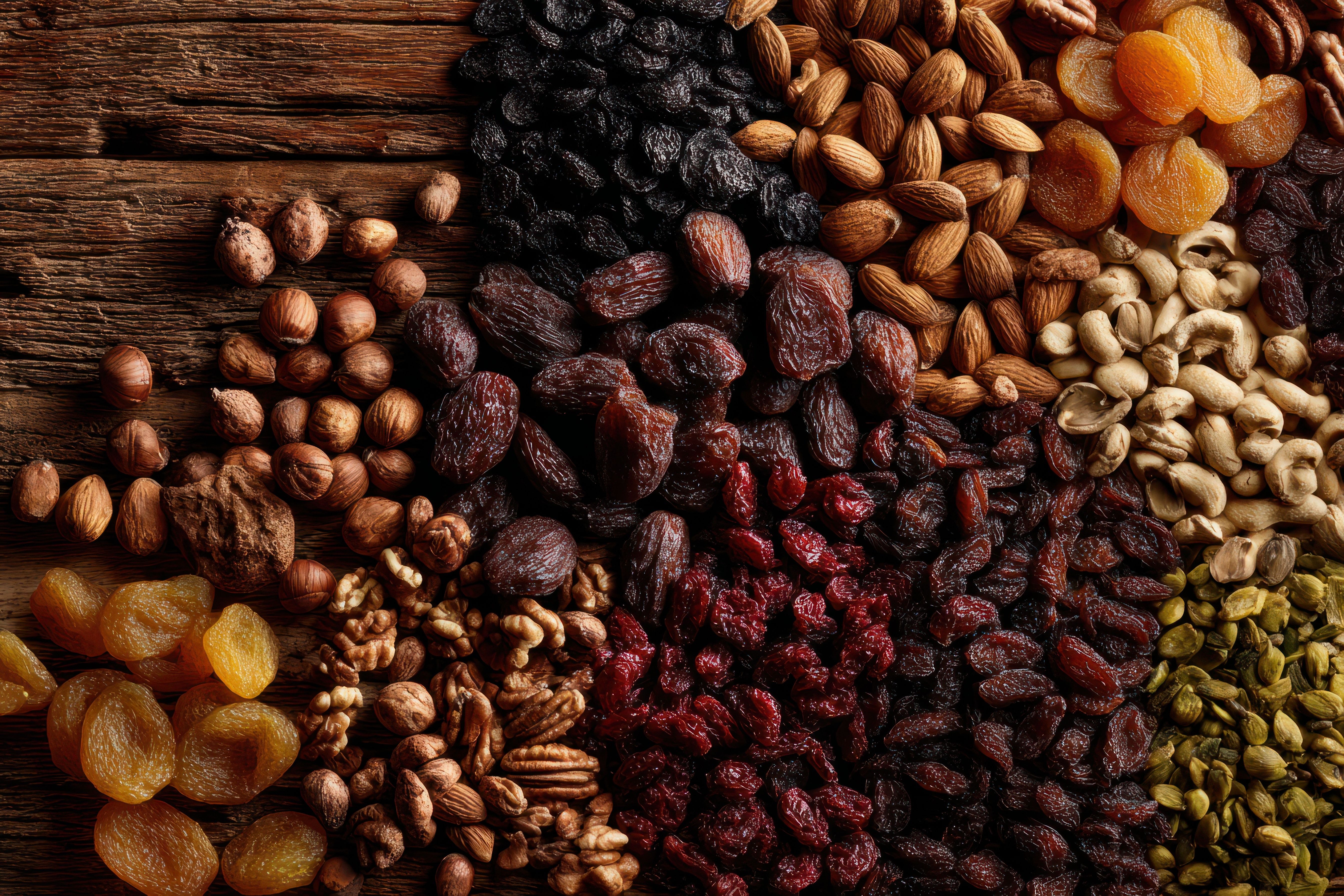
Almonds and Their Role in Diabetes Management
Discover how almonds help manage diabetes by stabilizing blood sugar, improving heart health, and boosting nutrition. Learn the best ways and times to eat them safely.

Written by Dr. M L Ezhilarasan
Reviewed by Dr. Rohinipriyanka Pondugula MBBS
Last updated on 13th Jan, 2026

Living with diabetes can be challenging, but making small, smart dietary choices can make a big difference in managing blood sugar levels. One such superfood that has gained attention for its benefits in diabetes management is almonds. These tiny nuts are packed with nutrients that can help regulate blood sugar, improve heart health, and even aid in weight management.
In this article, we’ll explore how almonds can be a great addition to a diabetes-friendly diet, their health benefits, and simple ways to include them in your daily meals.
Why Are Almonds Good for Diabetes?
Almonds are nutrient-dense nuts that offer multiple benefits for people with diabetes:
1. Low Glycemic Index (GI)
Almonds have a low glycemic index, meaning they release sugar slowly into the bloodstream, preventing sudden spikes in blood glucose levels.
2. Rich in Healthy Fats and Fiber
They contain monounsaturated fats (good fats) and dietary fiber, which help slow down digestion and keep blood sugar levels stable.
3. High in Magnesium
Magnesium plays a key role in insulin sensitivity, helping the body use insulin more effectively. Studies suggest that people with diabetes often have lower magnesium levels, making almonds a great natural source.
4. Antioxidant Properties
Almonds are rich in vitamin E and polyphenols, which reduce oxidative stress and inflammation—common issues in diabetes.
5. Supports Heart Health
Diabetes increases the risk of heart disease. Almonds help by improving cholesterol levels (lowering LDL "bad" cholesterol and raising HDL "good" cholesterol) and reducing blood pressure.
How Many Almonds Should You Eat Daily?
While almonds are beneficial, moderation is key because they are calorie-dense.
- Recommended intake: 8-10 almonds per day (about 1 ounce or 28 grams).
- Best time to eat: Soaked almonds in the morning or as a mid-meal snack.
Should You Eat Raw or Soaked Almonds?
- Soaked almonds are easier to digest and may release nutrients more effectively.
- Raw almonds are also nutritious but harder to digest for some people.
Consult an Dietician for the best advice
Simple Ways to Include Almonds in Your Diet
Here are some easy and tasty ways to add almonds to your meals:
1. Morning Snack: Eat a handful of soaked almonds with breakfast.
2. Smoothies: Blend almonds into a diabetes-friendly smoothie with yogurt and berries.
3. Salads: Sprinkle chopped almonds over salads for a crunchy texture.
4. Almond Butter: Use sugar-free almond butter on whole-grain toast.
5. Healthy Desserts: Add crushed almonds to sugar-free yogurt or oatmeal.
Precautions When Eating Almonds
While almonds are generally safe, keep these points in mind:
- Portion control: Overeating can lead to excess calorie intake.
- Allergies: Some people may be allergic to nuts.
- Salted or flavored almonds: Avoid those with added sugar or salt.
Other Lifestyle Tips for Diabetes Management
Along with almonds, consider these healthy habits:
- Regular exercise (walking, yoga, or strength training).
- Balanced diet (whole grains, lean proteins, and vegetables).
- Regular blood sugar monitoring.
- Adequate sleep and stress management.
When to Consult a Doctor?
If you have diabetes, it’s important to discuss dietary changes with your doctor or a nutritionist. Apollo 24|7 offers expert consultations and diabetes management plans tailored to your needs.
Book a consultation today to get personalized advice on managing diabetes effectively.
Final Thoughts
Almonds are a diabetes-friendly superfood that can help control blood sugar, improve heart health, and provide essential nutrients. By including them in moderation along with a balanced diet and healthy lifestyle, you can take a positive step toward better diabetes management.
Consult an Dietician for the best advice
Consult an Dietician for the best advice

Ms Manisha Patil
Dietician
25 Years • B.A.S.M., M Sc Food & Science and Nutrition , ADND. CCHA . PGDHM
Pune
Apollo Clinic, Nigdi, Pune

Ms. Sushma Jaiswal
Dietician
42 Years • M.Sc.(Food & Nutrition)
Bengaluru
Swasthya Nutrition, Bengaluru

Ms. Soma Saha
clinical nutrition
17 Years • B.Sc. - Home Science (Food & Nutrition), M.Sc. - Home Science (Food & Nutrition)
Kolkata
Dr Utsa Basu Clinic, Kolkata

(75+ Patients)

Ms. Sreeparna Dey Dhara Deb
Dietician
10 Years • DNHE
Bansdroni
Siddhita Healthcare., Bansdroni

Ms Gomathy Gowthaman
Nutritionist
28 Years • B.SC - Nutrition Food Service Management & Dietetics
Chennai
G.G DIET Clinic, Chennai
Consult an Dietician for the best advice
Ms Manisha Patil
Dietician
25 Years • B.A.S.M., M Sc Food & Science and Nutrition , ADND. CCHA . PGDHM
Pune
Apollo Clinic, Nigdi, Pune
Ms. Sushma Jaiswal
Dietician
42 Years • M.Sc.(Food & Nutrition)
Bengaluru
Swasthya Nutrition, Bengaluru
Ms. Soma Saha
clinical nutrition
17 Years • B.Sc. - Home Science (Food & Nutrition), M.Sc. - Home Science (Food & Nutrition)
Kolkata
Dr Utsa Basu Clinic, Kolkata
(75+ Patients)
Ms. Sreeparna Dey Dhara Deb
Dietician
10 Years • DNHE
Bansdroni
Siddhita Healthcare., Bansdroni
Ms Gomathy Gowthaman
Nutritionist
28 Years • B.SC - Nutrition Food Service Management & Dietetics
Chennai
G.G DIET Clinic, Chennai