


Apricot in Ayurveda: Evidence-Informed Guide
Curious about the apricot benefits in Ayurveda? Learn science-backed nutrition, digestion perks, safe use, and simple Ayurvedic-inspired tips for everyday eating.

Written by Dr. Mohammed Kamran
Reviewed by Dr. Dhankecha Mayank Dineshbhai MBBS
Last updated on 13th Jan, 2026
Introduction
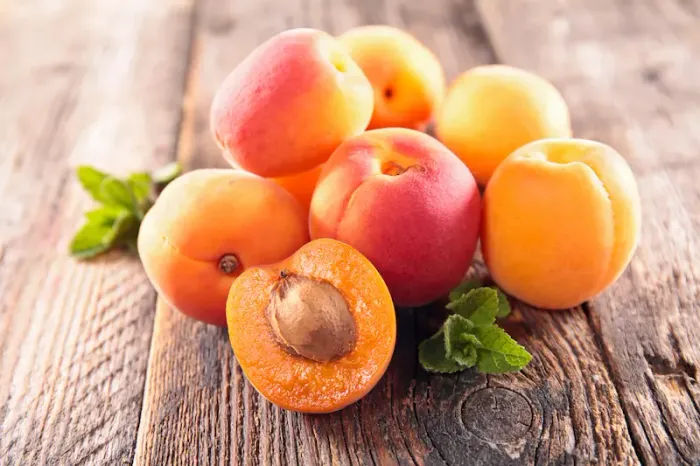
Apricots are a juicy, sun-kissed stone fruit enjoyed fresh or dried across the world. They are also mentioned in various traditional food cultures, including ayurveda, for their gentle, nourishing qualities. If you are searching for apricot benefits, ayurveda guidance, this article brings together modern nutrition, practical safety information, and traditional food wisdom in a clear and grounded way. You will learn how apricots support everyday wellbeing, how ayurvedic kitchens might prepare them, who should be cautious, and simple ways to enjoy this delicious fruit with confidence. The aim is to help you make informed, balanced choices without overstating claims, while still appreciating the wholesome appeal of this ancient fruit.Consult a Top Ayurveda Doctor for Personalised Advice
Apricot Nutrition at A Glance
Apricots contain:
• Dietary fibre, which supports regular digestion.
• Provitamin A carotenoids, such as beta carotene, which the body can convert into vitamin A for vision and immune function.
• Vitamin C, an antioxidant that supports skin health and immune function.
• Potassium, an essential mineral that helps regulate fluid balance, nerve signalling, and blood pressure.
Why this matters:
• Fibre helps support bowel regularity and contributes to overall gut comfort.
• Potassium and fibre combined are linked with heart health and healthier blood pressure levels as part of an overall balanced eating pattern.
• Carotenoids and vitamin C provide antioxidant support, helping protect cells from everyday oxidative stress.
• Fresh apricots have a high water content, which contributes to hydration as part of your total fluid intake.
Apricots also contain small amounts of natural sugars, which are absorbed more steadily when the fruit is eaten whole. This makes apricots a gentle addition to meals or snacks, especially for those who prefer naturally sweet foods without needing added sugar. Their soft texture also makes them suitable for children and older adults who may find firmer fruits less comfortable to chew.
Apricot Benefits as Per Ayurveda
While Ayurveda offers a traditional framework for choosing and preparing foods in ways that support comfort and balance, many of the commonly discussed apricot benefits have foundations in mainstream nutrition research as well.
Digestive comfort:
• Apricots contain fibre that helps maintain regular bowel movements.
• Eating whole fruit rather than juice ensures you receive the fibre that supports fullness and steadier digestion.
Heart and blood pressure support:
• Diets rich in fruits and vegetables are linked with better overall heart health.
• Potassium helps counter the effects of sodium on blood pressure.
• Fibre supports healthy cholesterol levels as part of a nutritious eating pattern.
Steadier energy:
• The fibre in whole fruit slows the digestion of natural sugars, which can support steadier energy levels compared with juices or refined sweets.
Eye and skin support:
• Provitamin A carotenoids play a role in vision and healthy immune function.
• Vitamin C supports collagen formation and acts as an antioxidant that helps protect skin cells from damage.
Everyday hydration and recovery:
• Fresh apricots offer water and potassium, which can be helpful after activity or in warm weather, alongside your usual fluid intake.
Together, these qualities make apricots an easy fruit to include in daily meals, whether blended into porridge, mixed into salads, or enjoyed on their own as a quick snack.
Apricots Through an Ayurveda Lens
Ayurveda is a traditional health system from India that emphasises seasonal eating, digestive comfort, and matching foods to individual constitutions known as doshas: Vata, Pitta, and Kapha. While insights differ between teachers and texts, several principles commonly appear across Ayurvedic-inspired kitchens.
Season and ripeness matter:
• Ripe, in-season fruits are often considered gentler on digestion than unripe or out-of-season fruit.
Simplicity helps:
• Fruits are typically eaten on their own or as a light snack to prevent digestive discomfort that may occur when mixing fruit with heavier foods.
Warm and cooked preparations:
• Lightly stewing fruit or adding digestive spices such as ginger, cardamom, or cinnamon is a common practice that can make apricots feel softer and warmer on the stomach.
Dosha-friendly notes:
• Sweet, ripe fruits are often thought to be soothing for Vata and Pitta when eaten in moderation.
• Those with Kapha tendencies may prefer smaller portions of very sweet or heavy foods.
• If an apricot tastes quite tart, people who experience strong Pitta heat may enjoy it better if cooked gently or paired with milder flavours.
These principles are part of traditional food culture and not medical treatments. They can inspire pleasant, comfortable ways to enjoy apricots, but they should complement rather than replace evidence-based health guidance.
Ayurvedic-inspired Ways to Eat Apricots
Try these gentle and digestion-friendly approaches:
• Lightly stewed apricots with a pinch of cardamom and cinnamon, served warm over oatmeal.
• Soak dried apricots overnight in water for a softer texture; pair with a handful of nuts or yoghurt at another time of day.
• Apricot compote simmered with ginger and a little lemon zest, served over porridge or alongside plain yoghurt.
• A quick chutney made with diced apricot, grated ginger, cumin, and fresh mint as a bright accent for lentils or whole grains.
These preparations not only enhance flavour but also help incorporate apricots into a balanced meal structure.
Portions, Frequency & Use of Apricot
The portions, frequency and use of apricot include:
General fruit intake goals:
• Many global guidelines encourage consuming a variety of fruits and vegetables each day.
• Fresh fruit servings are often measured around one cup, while dried fruit is more concentrated and typically counted at around one-quarter cup per serving.
Fresh versus dried:
• Fresh apricots offer hydration and fibre with fewer calories per portion.
• Dried apricots are nutrient-dense and portable but more concentrated in natural sugars and potassium, making small portions more suitable for most people.
Simple pairing ideas:
• Pair fresh apricots with nuts or seeds for a balanced snack that supports steady energy.
• Use apricots to naturally sweeten porridge, salads, grain bowls, or stews.
Including apricots alongside protein and healthy fats can support satisfaction and make meals more balanced overall.
Safety First: Who Should Be Cautious
Apricots suit most people well, but a few considerations are important.
Kidney disease and potassium:
• Apricots, especially dried ones, are relatively high in potassium.
• Anyone with chronic kidney disease or on a potassium-restricted diet should check with their clinician about appropriate portion sizes.
Blood sugar management:
• Whole fruit can fit into many diabetes-friendly eating plans, especially when portions are moderate and paired with foods that support steadier blood sugar.
• Dried apricots are more concentrated and should be measured carefully.
Food allergies and sensitivities:
• Any fruit can cause reactions in susceptible individuals. If you experience itching, swelling, or other concerning symptoms, stop eating apricots and seek medical advice.
Apricot kernels are not food:
• Apricot kernels contain amygdalin, which can release cyanide. They should never be consumed.
Food safety basics:
• Rinse fresh apricots under running water.
• Keep cut fruit refrigerated and discard if it looks or smells spoiled.
Buying, Storing, and Prepping Tips for Apricots
The buying, storing and prepping tips include:
• Choosing: Select apricots that give slightly to gentle pressure and have a pleasant aroma.
• Ripening and storage: Allow underripe apricots to soften at room temperature. Once ripe, refrigerate and eat within a few days.
• Washing: Rinse just before eating to help prevent spoilage.
• Dried apricots: Choose varieties without added sugars if you are limiting sugar intake. Store in an airtight container in a cool, dark place. If they become dry, soak briefly in warm water.
These simple steps help preserve flavour, safety, and texture, making apricots easier to incorporate into your routine.
Balanced Use & Benefits of Apricots
Apricots offer fibre, potassium, carotenoids, and vitamin C, all of which contribute to everyday wellbeing. From an Ayurvedic perspective, ripe, in-season fruits prepared simply can be soothing and easy to digest. Together, these approaches offer a gentle, practical framework for enjoying apricots without overcomplicating things. A blend of modern nutritional knowledge and traditional food wisdom can help you appreciate apricots in a way that feels both nourishing and enjoyable.
Conclusion
Apricots are a flavourful, versatile fruit that contributes fibre, hydration, antioxidants, and gentle sweetness to daily meals. They are easy to include in both modern and traditional styles of eating, making them a sensible choice for many households. Whether enjoyed fresh, gently stewed, or added to warm porridges and salads, apricots offer nourishment without complexity. Understanding both the scientific and traditional perspectives allows you to choose the preparation that feels best for your body and routine. With mindful portions, good food safety, and a balanced approach, apricots can become a regular, enjoyable part of everyday life.Consult a Top Ayurveda Doctor for Personalised Advice
Consult a Top Ayurveda Doctor for Personalised Advice

Dr. Shiv Prakash Singh
Ayurveda Practitioner
19 Years • BAMS
Kolkata
Vedhive Ayurveda College Street, Kolkata

(50+ Patients)

Dr. Anjan Das
Ayurveda Practitioner
8 Years • Ayurvedacharya ( B.A.M.S )
Dumdum
Vedhive Ayurveda Clinic, Dumdum

Dr. Rik Sadhukhan
Ayurveda Practitioner
8 Years • BAMS
Kolkata
Vedhive Ayurveda, Ballygunge, Kolkata
Consult a Top Ayurveda Doctor for Personalised Advice
Dr. Shiv Prakash Singh
Ayurveda Practitioner
19 Years • BAMS
Kolkata
Vedhive Ayurveda College Street, Kolkata
(50+ Patients)
Dr. Anjan Das
Ayurveda Practitioner
8 Years • Ayurvedacharya ( B.A.M.S )
Dumdum
Vedhive Ayurveda Clinic, Dumdum
Dr. Rik Sadhukhan
Ayurveda Practitioner
8 Years • BAMS
Kolkata
Vedhive Ayurveda, Ballygunge, Kolkata
More articles from General Medical Consultation




Frequently Asked Questions
Q.Are apricots good for digestion?
Apricots contain dietary fibre, which supports regular bowel movements and contributes to overall gut comfort when eaten as part of a balanced diet. Eating whole fruit rather than juice ensures you receive the full fibre content, which also supports steady energy levels.
Q.Are dried apricots healthy?
Dried apricots can be a nutritious and convenient snack, offering fibre and minerals in a compact form. However, they are more concentrated in natural sugars and calories, so smaller portions are recommended. Choosing varieties without added sugar is helpful for those managing sugar intake.
Q.Can people with diabetes eat apricots?
Yes, apricots can be included in many diabetes-friendly dietary patterns when portions are appropriate. Pairing apricots with nuts, seeds, or other sources of protein or healthy fats can help support steadier blood sugar responses. Dried apricots should be measured more carefully due to their concentration.
Q.Are apricot kernels safe to eat?
No, apricot kernels should not be consumed. They contain amygdalin, a substance that can release cyanide, and health authorities have warned that consuming kernels can cause poisoning. Stick to the fruit itself, which is safe when eaten normally.
Q.Which dosha do apricots balance in Ayurveda?
General Ayurvedic guidance often suggests that ripe, sweet fruits can be calming for Vata and Pitta when eaten mindfully. Kapha types may prefer smaller portions. These suggestions vary between practitioners and should be tailored with the help of a qualified Ayurvedic advisor.