



Banana in Ayurveda
Banana in Ayurveda: Simple guide to benefits, best ways to eat, who should be cautious, and FAQs, blending traditional wisdom with modern science.

Written by Dr. Vasanthasree Nair
Reviewed by Dr. Md Yusuf Shareef MBBS, Advanced Certificate Course in Dermatology
Last updated on 13th Jan, 2026
Introduction
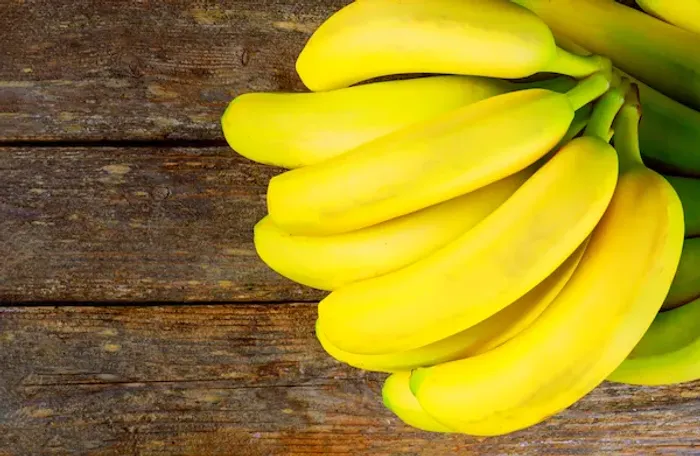
Bananas are affordable, easy to find, and loved around the world. In banana ayurveda guidance, this familiar fruit is viewed through a traditional lens that focuses on digestion, balance, and daily routines. At the same time, modern nutrition research confirms that bananas provide helpful nutrients like potassium and fiber that support heart and gut health. This article brings both perspectives together, so you can enjoy bananas wisely, understand when they fit your needs, and know who might need to be more careful.
Banana In Ayurveda: The Traditional View
Ayurveda, India’s traditional system of health, looks at foods based on their qualities and how they affect digestion and balance.
Key Ayurvedic Qualities Of Ripe Banana
- Taste (rasa): Sweet
- Qualities (guna): Moist/unctuous and “heavy” (can sit in the stomach if overeaten)
- Potency (virya): Cooling
- Post-digestive effect (vipaka): Sweet
Traditional Implications
- May soothe vata and pitta when eaten in moderation because it is moist, sweet, and cooling.
- Can increase kapha (mucus, sluggishness) for some people, especially if eaten in large amounts or late at night.
- Considered heavy to digest, so how and when you eat it matters.
Common Traditional Tips
- Prefer ripe bananas over very unripe ones if your digestion is sensitive.
- Eat at room temperature (Ayurveda typically discourages very cold foods and drinks for optimal digestion).
- Many classical teachings advise not combining bananas with milk, as the mix is thought to be heavy and mucus-forming for some people. Modern research is limited here; if you notice bloating or discomfort with that combination, avoid it.
Consult a Top General Physician
Modern Nutrition: What Science Says About Bananas?
Bananas are naturally free of fat and cholesterol and are a source of:
- Potassium: About 422 mg in a medium banana
- Dietary fiber: About 3 grams per medium banana
- Vitamin B6
- Vitamin C
- Manganese
Why This Matters?
- Heart health and blood pressure: Potassium helps the body balance sodium and supports healthy blood pressure. Health authorities recommend getting enough potassium as part of a heart-healthy diet.
- Digestive health: Fiber supports regularity and a healthy gut environment. Unripe (green) bananas contain more resistant starch, which acts like fiber and can feed beneficial gut microbes.
- Ripe bananas have more easily digestible sugars and pectin, a type of soluble fiber.
- Everyday energy: Bananas provide carbohydrates that can fuel daily activity and exercise.
A note on the BRAT diet (bananas, rice, applesauce, toast): While bananas may be gentle for some during mild digestive upset, current guidance emphasizes keeping up fluids and balanced nutrition rather than relying on very restricted diets. Continuing usual foods (as tolerated) and proper rehydration is important in managing diarrhea.
How To Eat Bananas In Ayurveda?
Bringing traditional wisdom and modern nutrition together can help you enjoy bananas comfortably.
Best Timing And Portions
- Morning or midday is often best: Ayurveda considers bananas heavy; earlier in the day your digestion is stronger.
- Moderation matters: For most healthy adults, 1 medium banana at a time is usually reasonable.
- Choose ripeness to match your needs:
- Ripe banana: Softer, sweeter, easier on sensitive digestion.
- Less ripe (green-tinged): More resistant starch; may be more filling but can feel heavier for some.
Food Pairings
- Eat bananas on their own or with a light meal: Ayurveda often suggests eating fruit separately or first because fruit digests relatively quickly.
If pairing, keep it simple:
- Add warming spices like cinnamon, ginger, or cardamom to support comfortable digestion.
- A small handful of nuts or yogurt (if you tolerate dairy) can slow carbohydrate absorption and help you feel satisfied. Note: Ayurvedic tradition discourages banana-milk combinations for some people; modern evidence is limited. If you feel heavy or congested with banana dairy mixes, choose another pairing.
What To Limit?
- Large banana smoothies with lots of ice: Ice-cold drinks can feel heavy for some and may not sit well
- Late-night banana snacking: May feel heavy or increase mucus for some (kapha-increasing).
Simple Ayurvedic-Inspired Banana Ideas
- Warm spiced banana: Gently warm sliced banana in a pan with a pinch of cinnamon and cardamom; finish with a few chopped nuts.
- Banana with ginger tea: Enjoy a ripe banana as a small snack alongside warm ginger tea.
- Oatmeal topper: Add banana slices and a dash of cinnamon to warm oats.
- Green banana/plantain (savory): Cooked green banana or plantain can be used in savory dishes; it’s heavier, so keep portions moderate.
Who Might Want To Be Careful With Bananas?
While bananas are a healthy choice for many, some people need specific guidance.
Potassium-Sensitive Conditions Or Medications
- Chronic kidney disease (CKD): The kidneys regulate potassium. People with CKD may need to limit high-potassium foods like bananas; follow your care team’s advice.
- Certain heart or blood pressure medications: Some medications (e.g., potassium-sparing diuretics, ACE inhibitors, or beta-blockers) can affect potassium balance. Ask your clinician how bananas fit your plan.
Diabetes And Blood Sugar
- Bananas contain carbohydrates. Many people with diabetes can include bananas in balanced portions. Tips:
- Choose a small banana or half a larger one.
- Pair with protein or healthy fat (e.g., nuts) to slow absorption.
- Monitor your personal response with your care team’s guidance.
Allergy And Intolerance
- Latex–fruit syndrome: People with latex allergy sometimes react to foods like bananas. If you have itching, swelling, or hives after eating bananas, seek medical advice.
- Digestive sensitivity: If bananas cause bloating or discomfort, try smaller portions, riper fruit, or enjoy them warm with spices.
Banana Ayurveda Insights For Different Body Types (Doshas)
If you enjoy using the Ayurvedic framework, here’s a simple, practical guide:
- Vata: Often benefits from ripe bananas in small portions, especially with warming spices or lightly warmed.
- Pitta: Ripe bananas can be soothing because they’re cooling and sweet. Avoid overeating.
- Kapha: Bananas can feel heavy or increase mucus for some. Choose smaller portions, add waring spices, and avoid late-night snacking.
Remember: Dosha guidance is traditional and individualized. Pay attention to how your body feels and adjust.
Where Does Ayurveda And Science Overlap?
Traditional Ayurvedic principles often align with modern nutritional science, particularly when it comes to the simple, gentle properties of foods like bananas:
- Digestion and gut comfort: Ayurveda prizes foods that are easy to digest. Ripe bananas are gentle for many people. Modern research supports bananas as a source of fiber and pectin that can help support regular bowel movements and a healthy gut environment.
- Hydration and illness recovery: Traditional kitchens often use bananas as part of simple recovery foods. Modern guidance emphasizes hydration and continuing foods as tolerated during mild diarrhea, with rehydration solutions as needed.
- Heart health: Traditional advice to avoid overly salty, heavy meals aligns with modern guidance that potassium-rich fruits (like bananas) can support blood pressure alongside an overall healthy diet.
Practical Shopping, Storing, And Ripening Tips
Making the most of your bananas involves knowing how to select, store, and utilize them at their best stage of ripeness:
- Choosing bananas: Look for firm, evenly colored fruit. Green-tinged bananas will ripen at room temperature.
- Ripening: Keep bananas on the counter away from direct sun. A paper bag can speed ripening.
- Storing: Once ripe, refrigerate to slow further ripening. The peel may darken, but the inside stays firm longer.
- Reducing food waste: Overripe bananas are perfect for oatmeal, pancakes, muffins, or freezing for later use.
- Portion cues: A “medium” banana is about 7–8 inches long. If yours is larger, consider sharing or saving half.
Quick Answers About Banana In Ayurveda And Your Daily Routine
Here are quick answers addressing common questions about incorporating bananas into your daily routine, informed by both traditional and modern advice:
- Best time to eat: Morning or midday, especially if your stomach feels sensitive.
- With meals or alone: Many people feel best eating bananas alone or before a meal; if pairing, keep it light.
- Travel snack: Bananas are portable, just pair with water and consider a few nuts for staying power.
- Exercise: A banana can be a convenient pre- or post-workout snack thanks to carbohydrates and potassium.
Consult a Top General Physician
Consult a Top General Physician

Dr. M. Krishna Bharath Reddy
General Physician/ Internal Medicine Specialist
10 Years • MD General Medicine, MRCP (London) and DM( Critical Care)
Chennai
Apollo One Chennai, Chennai

Dr Rajashree Dhongade
General Physician/ Internal Medicine Specialist
9 Years • MD.Medicine,Fellowship in Critical Care Medicine (MUHS)
Nashik
Apollo Hospitals Nashik, Nashik

(25+ Patients)

Dr. Sagarika Nanda
Infectious Disease specialist
9 Years • "• Fellowship of National Board Infectious Diseases Apollo Hospitals Jubilee Hills 2022 • MD General Medicine KMC Manipal 2013 • MBBS & Internship KMC Manipal 2003 -2009"
Hyderabad
Apollo Hospitals Financial District, Hyderabad

Dr. Indrajit Das
General Physician/ Internal Medicine Specialist
4 Years • "MD (Internal medicine) : Gauhati Medical College and Hospital, Guwahati (2018-2021) MD (Pathology) : Gauhati Medical College and Hospital, Guwahati (2012-2015) MBBS (Bachelor of Medicine, Bachelor of Surgery) : Silchar Medical College, Assam (2003-2008) "
Guwahati
Apollo Excelcare Hospital, Guwahati

Dr. Subramony H
General Physician/ Internal Medicine Specialist
25 Years • MBBS, MD
Chennai
Apollo Hospitals Greams Road, Chennai
(75+ Patients)
Consult a Top General Physician
Dr. M. Krishna Bharath Reddy
General Physician/ Internal Medicine Specialist
10 Years • MD General Medicine, MRCP (London) and DM( Critical Care)
Chennai
Apollo One Chennai, Chennai
Dr Rajashree Dhongade
General Physician/ Internal Medicine Specialist
9 Years • MD.Medicine,Fellowship in Critical Care Medicine (MUHS)
Nashik
Apollo Hospitals Nashik, Nashik
(25+ Patients)
Dr. Sagarika Nanda
Infectious Disease specialist
9 Years • "• Fellowship of National Board Infectious Diseases Apollo Hospitals Jubilee Hills 2022 • MD General Medicine KMC Manipal 2013 • MBBS & Internship KMC Manipal 2003 -2009"
Hyderabad
Apollo Hospitals Financial District, Hyderabad
Dr. Indrajit Das
General Physician/ Internal Medicine Specialist
4 Years • "MD (Internal medicine) : Gauhati Medical College and Hospital, Guwahati (2018-2021) MD (Pathology) : Gauhati Medical College and Hospital, Guwahati (2012-2015) MBBS (Bachelor of Medicine, Bachelor of Surgery) : Silchar Medical College, Assam (2003-2008) "
Guwahati
Apollo Excelcare Hospital, Guwahati
Dr. Subramony H
General Physician/ Internal Medicine Specialist
25 Years • MBBS, MD
Chennai
Apollo Hospitals Greams Road, Chennai
(75+ Patients)
More articles from General Medical Consultation


_1.webp)

Frequently Asked Questions
Are bananas good for constipation?
Bananas provide fiber, which supports regularity. Ripe bananas tend to be gentler; green bananas contain resistant starch, which can be helpful for some but gassy for others. Drink enough water. If constipation is persistent, talk with your clinician.
Can people with diabetes eat bananas?
In many cases, yes, in moderation and as part of a balanced plan. Choose a small banana, pair it with protein or healthy fat, and monitor your blood glucose response. Work with your healthcare provider or dietitian for personalized advice.
Is it OK to eat bananas at night?
Ayurveda suggests avoiding heavy foods late in the evening, and bananas can feel heavy for some people. Scientifically, there’s no strong evidence that bananas at night are harmful, but if you experience reflux or congestion, try eating them earlier in the day.
Are bananas and milk a bad combination?
Ayurvedic tradition often discourages mixing banana with milk because the combination can feel heavy or mucus-forming for some. Modern research on this specific pairing is limited. If you notice bloating or discomfort after eating them together, it’s reasonable to avoid the combination.
How many bananas can I eat per day?
For most healthy adults, one banana a day fits well into a balanced diet. If you have kidney disease or take medications that affect potassium, ask your healthcare provider about the right amount for you.