


GOLO Diet: Research-Based Benefits And Health Risks
Curious about the GOLO diet? Learn evidence-based benefits, risks, foods, and who should avoid this weight loss plan.

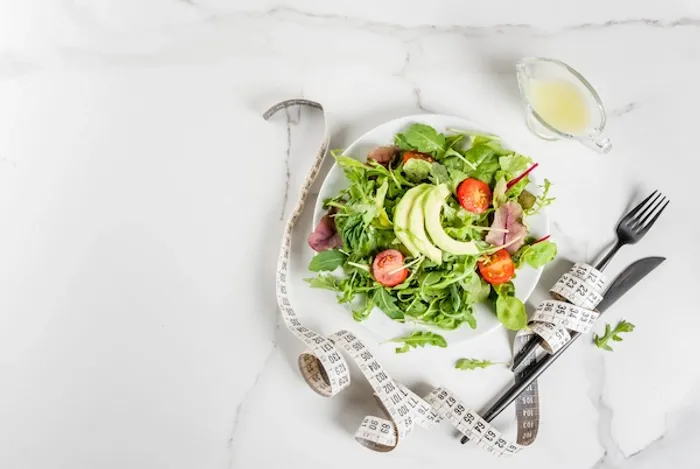
If you are exploring a new weight loss plan, you have probably come across the GOLO diet. It is popular because it promises steady weight loss by balancing insulin and eating real foods, plus an optional supplement called Release. Here is a clear, research-based look at the GOLO diet’s potential benefits, health risks, and how it compares with widely recommended approaches from trusted medical organisations.
What the GOLO Diet is?
The GOLO diet is a commercial weight loss plan that includes a structured whole-food eating pattern, lifestyle tips, and an optional supplement called Release. The plan focuses on balanced meals with protein, carbohydrates, and healthy fats while encouraging minimally processed foods.
How the GOLO Weight Loss Plan Works?
Here is a breakdown of how the GOLO plan aims to support weight loss:
- Emphasis on real foods: Vegetables, fruits, lean proteins, whole grains, legumes, and healthy fats.
- Structured portions: Helps control calories without strict calorie counting.
- Balanced blood sugar: The diet aims for steady blood sugar to support appetite control.
- Optional supplement: Marketed to support insulin and metabolism, although it is not FDA approved and has limited independent evidence. Always speak to your clinician before starting any supplement.
Consult Top Specialists
What Research Says About the GOLO Diet?
Here is a look at what current evidence indicates:
- Limited independent research is available. Most studies are small and company-funded.
- Weight loss is likely from healthy core behaviours such as reduced calorie intake, structured meals, and activity.
- Supplement ingredients like chromium or herbal extracts show mixed evidence for weight or blood sugar benefits.
- Long-term, independent studies comparing GOLO to other diets are lacking.
Potential Benefits of the GOLO Diet
Here are some ways this diet may support health and weight loss:
- Real-food focus that aligns with healthy eating guidelines.
- Structured meals without extreme rules.
- Protein and fibre-rich meals may help reduce hunger.
- Balanced meals may support steadier blood sugar.
- Encourages habits like regular eating, home cooking, and movement.
Possible Downsides and Health Risks
Here are key concerns to keep in mind if you are considering this plan:
- Very limited long-term, independent research.
- Supplement is not FDA approved.
- Some minerals and herbs may cause digestive issues or interact with medications.
- Risk of low blood sugar if you take insulin or diabetes medications.
- Overemphasis on insulin as the sole driver of weight loss.
- Reliance on a paid supplement may not be necessary.
- Long-term sustainability varies person to person.
Who Might Consider or Avoid the GOLO Diet?
Here is guidance on who may or may not find this plan suitable:
May consider:
- Adults who like a structured but flexible whole-food eating plan.
- Those seeking portion guidance without highly restrictive rules.
Should be cautious or avoid unless cleared by a clinician:
- Individuals on insulin or diabetes medications.
- Pregnant or breastfeeding women.
- People with kidney, liver disease, or multiple medications.
- Anyone with a history of eating disorders.
How to Try a Safer, Science-Based Approach?
Here are evidence-based strategies to support weight loss with or without GOLO:
- Build balanced plates (half vegetables, palm protein, cupped-hand whole grains, thumb of healthy fats).
- Maintain a gentle calorie deficit for sustainable weight loss.
- Move regularly following WHO activity guidelines.
- Prioritise fibre and protein for satiety.
- Improve sleep and manage stress.
- Track progress using weight, waist, energy, and clothing fit.
Considering the GOLO Supplement
Here are important points to review before deciding on the supplement:
- Consult your healthcare professional, especially if you take medications.
- Check ingredients and ask about safety and interactions.
- Remember that supplements are optional and not required for weight loss.
How GOLO Compares With Other Weight Loss Plans?
Here is how GOLO stacks up against well-established dietary patterns:
- Mediterranean and DASH diets: Strong evidence for heart and metabolic health. No proprietary supplements.
- Low carb or higher protein patterns: Helpful for satiety and blood sugar in some individuals.
- GOLO diet: Similar whole-food basis but adds a branded framework and optional supplement. Independent long-term comparisons are limited.
When To Seek Medical Advice?
Here are situations where you should speak with a clinician before making changes:
- You take insulin or blood sugar lowering medications.
- You have chronic medical conditions or take multiple medicines.
- You are pregnant, breastfeeding, or planning to conceive.
- You experience dizziness, weakness, fast heart rate, or symptoms of low blood sugar.
Conclusion
The GOLO diet offers a structured whole-food approach that many people find practical, but its supplement and lack of long-term independent research raise important questions. The nutrition principles within the plan are generally sensible, yet they are similar to approaches supported by strong evidence such as the Mediterranean or DASH diets. If you choose to try GOLO, focus on the food pattern rather than relying heavily on supplements. Always consult your healthcare professional before making significant dietary changes, especially if you take medications or have underlying health issues.
Consult Top Specialists
Consult Top Specialists

Ms. Kanika Narang
Dietician
12 Years • Msc. In Dietetics and Food Service management from Institute of Hotel Management, Catering and Nutrition. Bsc. In Home science from Institute of Home Economics, Delhi University,
Delhi
Apollo Hospitals Indraprastha, Delhi

Dr. S N C Vasundhara Padma
Dietician
16 Years • RD, ( P.hd )
Chinagadila
Apollo Hospitals Health City Unit, Chinagadila

(25+ Patients)

Dr. Bhuvaneshwari Shankar
Dietician
40 Years • PHD (Nutrition & Dietetics)
Chennai
Apollo Hospitals Greams Road, Chennai
(150+ Patients)

Dr. Preetham Raj Chandran
Orthopaedician
10 Years • MBBS, MS (Orthopedics), FIASM, FIJR
Bangalore
Apollo Clinic Bellandur, Bangalore

Ms. Soma Saha
clinical nutrition
17 Years • B.Sc. - Home Science (Food & Nutrition), M.Sc. - Home Science (Food & Nutrition)
Kolkata
Dr Utsa Basu Clinic, Kolkata
(50+ Patients)
Consult Top Specialists
Ms. Kanika Narang
Dietician
12 Years • Msc. In Dietetics and Food Service management from Institute of Hotel Management, Catering and Nutrition. Bsc. In Home science from Institute of Home Economics, Delhi University,
Delhi
Apollo Hospitals Indraprastha, Delhi
Dr. S N C Vasundhara Padma
Dietician
16 Years • RD, ( P.hd )
Chinagadila
Apollo Hospitals Health City Unit, Chinagadila
(25+ Patients)
Dr. Bhuvaneshwari Shankar
Dietician
40 Years • PHD (Nutrition & Dietetics)
Chennai
Apollo Hospitals Greams Road, Chennai
(150+ Patients)
Dr. Preetham Raj Chandran
Orthopaedician
10 Years • MBBS, MS (Orthopedics), FIASM, FIJR
Bangalore
Apollo Clinic Bellandur, Bangalore
Ms. Soma Saha
clinical nutrition
17 Years • B.Sc. - Home Science (Food & Nutrition), M.Sc. - Home Science (Food & Nutrition)
Kolkata
Dr Utsa Basu Clinic, Kolkata
(50+ Patients)
More articles from General Medical Consultation

.jpeg)


Frequently Asked Questions
Is the GOLO diet effective for weight loss?
Possibly. The plan’s emphasis on balanced, whole-food meals and portion control can create a calorie deficit, which leads to weight loss. However, there’s limited independent research showing the GOLO program is more effective than other well-studied, balanced eating patterns.
Do I need the GOLO Release supplement to lose weight?
No. Many people lose weight safely with food and lifestyle changes alone. Supplements are optional, not FDA-approved for weight loss, and can interact with medications. Speak with your clinician before using any supplement.
Is the GOLO diet safe if I have diabetes or insulin resistance?
The balanced meals may help steady blood sugar, but you must work with your healthcare team - especially if you take insulin or other glucose-lowering medications - to avoid hypoglycemia. Monitor your glucose closely during any diet change.
How does GOLO compare to the Mediterranean diet?
Both emphasise whole, minimally processed foods. The Mediterranean diet has strong, independent evidence for long-term health benefits; GOLO has less independent, long-term research and uses an optional proprietary supplement.
What should I look for in a healthy weight loss plan?
- Emphasises whole foods and balanced nutrition
- Encourages gradual, sustainable weight loss (about 1–2 pounds per week)
- Includes regular physical activity
- Fits your preferences and lifestyle
- Doesn’t require “magic” pills or extreme restrictions