



Alfalfa Sprouts: Research-Based Health Benefits And Nutrition
Discover research-based benefits, nutrition, and safe ways to enjoy alfalfa sprouts. Learn who should avoid raw sprouts and how to use this superfood safely.

Written by Dr. Siri Nallapu
Reviewed by Dr. Md Yusuf Shareef MBBS, Advanced Certificate Course in Dermatology
Last updated on 13th Jan, 2026
Introduction
Curious about alfalfa sprouts and whether they deserve a spot on your plate? These crunchy, mild sprouts are popular in sandwiches, salads, and bowls. They are light, fresh, and nutrient dense, but they also come with important food safety considerations. In this guide, you will learn what alfalfa sprouts offer nutritionally, what research suggests about their health benefits, who should avoid them raw, and the safest ways to enjoy them. We will also take a realistic look at the superfood label so you can make confident, evidence based choices.
What Are Alfalfa Sprouts?
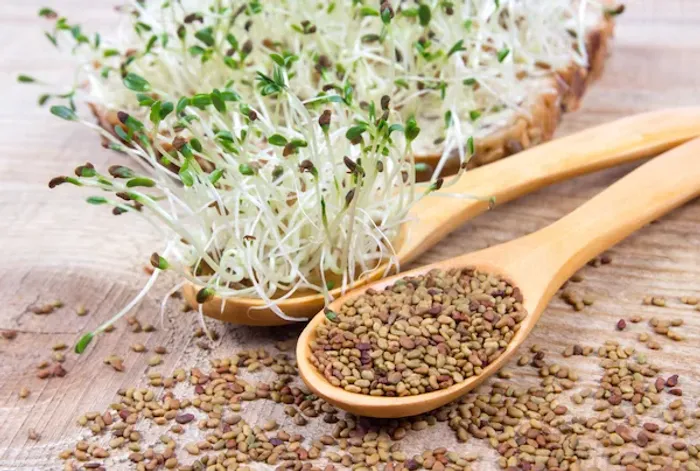
Alfalfa sprouts are the young shoots of the alfalfa plant (Medicago sativa), a legume. They are typically grown by sprouting seeds in warm, humid conditions for several days until thin, crunchy shoots form. The result is a fresh tasting, low calorie ingredient with a delicate texture that blends easily into many dishes.
Nutrition at a Glance
While exact amounts vary by brand and serving size, alfalfa sprouts generally provide:
- Very few calories and minimal fat
- Small amounts of plant protein
- Dietary fibre
- Micronutrients including vitamin K, vitamin C, folate, manganese and copper
- Plant compounds with antioxidant activity
Because they are mostly water and fibre, alfalfa sprouts add volume and crunch for very few calories, useful if you are building more filling, nutrient dense meals.
Research-Based Health Benefits
Like other vegetables and sprouted legumes, alfalfa sprouts can contribute to a healthy dietary pattern. Here is what the evidence supports and what to keep in mind.
Heart-Friendly Nutritional Profile
Here is what this section will cover:
- Low in calories and saturated fat, with fibre that supports heart health as part of a balanced diet.
- Some early research on alfalfa seed components suggests potential cholesterol lowering effects due to saponins, but real world evidence is limited. Think of sprouts as one small part of a heart healthy diet full of vegetables, fruits, whole grains, legumes, nuts and seeds.
Bone and Blood Health Support
Here is what this section will cover:
- Vitamin K helps the body form blood clots normally and contributes to bone health.
- Medication note: If you take warfarin, keep your vitamin K intake consistent and speak to your clinician before making dietary changes.
Digestive Support
Here is what this section will cover:
- The fibre in alfalfa sprouts supports regular digestion and gut health when combined with fluids and other fiber rich foods.
Antioxidant Compounds
Here is what this section will cover:
- Sprouts contain antioxidant rich plant compounds that help counter normal oxidative stress.
No single food prevents disease on its own. Aim for variety.
Weight and Blood Sugar Friendly Add-In
Here is what this section will cover:
- Low calorie, high volume foods like sprouts support fullness without excess calories.
Pair sprouts with protein, healthy fats and high fibre carbohydrates for steadier energy after meals.
Safety First: The Raw Sprout Risk
Raw and lightly cooked sprouts, including alfalfa, mung bean, clover and radish, have been linked to foodborne illness outbreaks caused by Salmonella and E. coli. Warm sprouting conditions encourage bacterial growth, and contamination can begin inside the seed.
Who Should Avoid Raw Alfalfa Sprouts?
Here is what this section will cover:
- Pregnant people
- Older adults
- Young children
- People with weakened immune systems
These groups should avoid raw sprouts entirely. Cook them thoroughly until steaming hot.
Important Safety Points for Everyone
Here is what this section will cover:
- Rinsing is not enough.
- Cooking is the safest way to eat sprouts.
- Store at or below 4°C.
- Buy fresh looking sprouts with a recent sell by date.
- Avoid slimy or foul smelling packages.
- Prevent cross contamination.
Medication and Health Considerations
Here is what this section will cover:
- Warfarin: Keep vitamin K steady.
- Pregnancy and immunocompromised conditions: Avoid raw sprouts, cook thoroughly.
- Supplements: Alfalfa supplements are not the same as culinary sprouts and may carry different risks.
How To Buy, Store, And Eat Alfalfa Sprouts Safely?
Here is what this section will cover:
Buying Tips
Here is what this section will cover:
- Choose refrigerated, fresh looking sprouts.
- Avoid moisture buildup or sour odours.
- Home sprouting still carries contamination risk.
Storing Tips
Here is what this section will cover:
- Refrigerate at or below 4°C.
- Keep the package dry.
- Use within a few days.
Cooking Ideas
Here is what this section will cover:
- Quick sauté for 2 to 3 minutes.
- Soup topper warmed through in hot broth.
- Egg dishes such as omelettes or scrambled eggs.
- Stir fries and noodle bowls heated thoroughly.
- Grain bowls with quinoa, rice, vegetables and protein.
Are Alfalfa Sprouts a Superfood?
Superfood is a marketing term, not a scientific category. Alfalfa sprouts are nutrient dense and easy to add to meals, but no single food delivers all health benefits. Your overall eating pattern matters most.
Simple Ways To Add Them To a Balanced Diet
Here is what this section will cover:
- Add crunch to cooked dishes.
- Mix into warm wraps.
- Pair with protein.
- Use herbs, spices, citrus and vinegar to boost flavour naturally.
Conclusion
Alfalfa sprouts can be a nutritious addition to a balanced diet, offering fibre, micronutrients and plant compounds that support overall health. The main consideration is food safety, as raw sprouts carry a higher risk of bacterial contamination. Cooking sprouts thoroughly is the safest way to enjoy them, especially for people who are pregnant, older, very young or immunocompromised. When prepared and stored safely, alfalfa sprouts can add texture, freshness and nutrition to a wide variety of meals.
Consult Top Specialists

Ms. Sushma Jaiswal
Dietician
42 Years • M.Sc.(Food & Nutrition)
Bengaluru
Swasthya Nutrition, Bengaluru

Ms Malabika Datta
Dietician
19 Years • Bsc (Clinical Nutrition & Dietetics), Msc (Dietetics & Food Service Management)
Kolkata
Malabika’s Diet Clinic, Kolkata

Ms. Neelanjana J
Dietician
5 Years • Bsc., Msc. Nutrition and Dietetics specialised general weight management, PCOS/PCOD weight loss and Diabetes management. A clinical dietitian with 4+ year experience specializing in evidence-based, result-oriented nutrition therapy. I have extensive experience in weight loss, thyroid management, PCOD/PCOS, weight gain, and diabetes & prediabetes care. My approach is personalized, practical, and sustainable—focusing on helping individuals achieve long-term lifestyle change rather than quick fixes. I work closely with clients to understand their medical history, lifestyle, and goals, and then design customized diet plans that support hormonal balance, metabolic health, and overall wellbeing. My goal is to make nutrition simple, realistic, and effective—so you see measurable results and feel your healthiest self.Auther in Health benefits of jackfruit (Artocarpus heterophyllus Lam.) seeds: A review (2023) The Pharma Innovation Journal Co- Auther in Malnutrition in Women: A review (2023) The Pharma Innovation Journal. Highfield Level 3 in HACCP. Highfield Level 4 International Award in Food Safety Managment
Bengaluru
Apollo Clinic, JP nagar, Bengaluru

Dr Darshana R
General Physician/ Internal Medicine Specialist
15 Years • MBBS, MD, DNB (Internal Medicine), Diploma in Allergy, Asthma and Immunology , Fellowship in Diabetes
Bengaluru
Apollo Clinic, JP nagar, Bengaluru

(125+ Patients)

Ms Chetu Singhi
Dietician
20 Years • MSC Dietetics & Nutrition
Kolkata
RB Diagnostic - Dietician Diet2fit Chetu Singhi, Kolkata
Consult Top Specialists
Ms. Sushma Jaiswal
Dietician
42 Years • M.Sc.(Food & Nutrition)
Bengaluru
Swasthya Nutrition, Bengaluru
Ms Malabika Datta
Dietician
19 Years • Bsc (Clinical Nutrition & Dietetics), Msc (Dietetics & Food Service Management)
Kolkata
Malabika’s Diet Clinic, Kolkata
Ms. Neelanjana J
Dietician
5 Years • Bsc., Msc. Nutrition and Dietetics specialised general weight management, PCOS/PCOD weight loss and Diabetes management. A clinical dietitian with 4+ year experience specializing in evidence-based, result-oriented nutrition therapy. I have extensive experience in weight loss, thyroid management, PCOD/PCOS, weight gain, and diabetes & prediabetes care. My approach is personalized, practical, and sustainable—focusing on helping individuals achieve long-term lifestyle change rather than quick fixes. I work closely with clients to understand their medical history, lifestyle, and goals, and then design customized diet plans that support hormonal balance, metabolic health, and overall wellbeing. My goal is to make nutrition simple, realistic, and effective—so you see measurable results and feel your healthiest self.Auther in Health benefits of jackfruit (Artocarpus heterophyllus Lam.) seeds: A review (2023) The Pharma Innovation Journal Co- Auther in Malnutrition in Women: A review (2023) The Pharma Innovation Journal. Highfield Level 3 in HACCP. Highfield Level 4 International Award in Food Safety Managment
Bengaluru
Apollo Clinic, JP nagar, Bengaluru
Dr Darshana R
General Physician/ Internal Medicine Specialist
15 Years • MBBS, MD, DNB (Internal Medicine), Diploma in Allergy, Asthma and Immunology , Fellowship in Diabetes
Bengaluru
Apollo Clinic, JP nagar, Bengaluru
(125+ Patients)
Ms Chetu Singhi
Dietician
20 Years • MSC Dietetics & Nutrition
Kolkata
RB Diagnostic - Dietician Diet2fit Chetu Singhi, Kolkata
More articles from General Medical Consultation
Frequently Asked Questions
Are raw alfalfa sprouts safe to eat?
Raw sprouts have been linked to outbreaks of Salmonella and E. coli. If you’re pregnant, older, very young, or have a weakened immune system, avoid raw sprouts. For everyone, cooking until steaming hot is the safest choice.
How do I cook alfalfa sprouts without losing all their nutrients?
Use quick methods: stir-fry or sauté for a few minutes until steaming hot, or add to soups near the end and heat through. Short cooking helps reduce risk while preserving texture and many nutrients.
Can alfalfa sprouts help with weight loss?
They’re very low in calories and add volume and crunch to meals, which can help you feel satisfied. They don’t cause weight loss on their own, but they can support a balanced, calorie-conscious eating plan.
I take warfarin. Can I eat alfalfa sprouts?
Ask your healthcare team first. Because alfalfa sprouts contain vitamin K, keep your intake consistent if your clinician says they fit your plan. Never make big, sudden changes in vitamin K foods without guidance.
Are homegrown sprouts safer than store-bought?
Not necessarily. Bacteria can be present inside the seed, and the warm, humid sprouting process encourages bacterial growth. The most reliable safety step is cooking sprouts thoroughly before eating.