


Aloe Vera Gel Health, Skin And Hair Uses Explained
Curious about aloe vera gel benefits? Explore evidence-based skincare, hair, and sunburn uses, plus safety tips and how to pick a quality product.

Written by Dr. M L Ezhilarasan
Reviewed by Dr. Shaik Abdul Kalam MD (Physician)
Last updated on 13th Jan, 2026
Introduction
If you’ve ever reached for a cooling gel after a day in the sun, chances are you’ve used aloe. People love aloe vera for its soothing feel, natural vibe, and easy availability. But what does the science say about aloe vera gel benefits? And how can you use it safely in your skincare and hair routine? This guide explains what aloe gel can and can’t do, where it shines (like sunburn care), where the evidence is mixed (like acne or dandruff), and important safety tips. You’ll also learn how to choose a good product and use it effectively.
What Is Aloe Vera Gel?
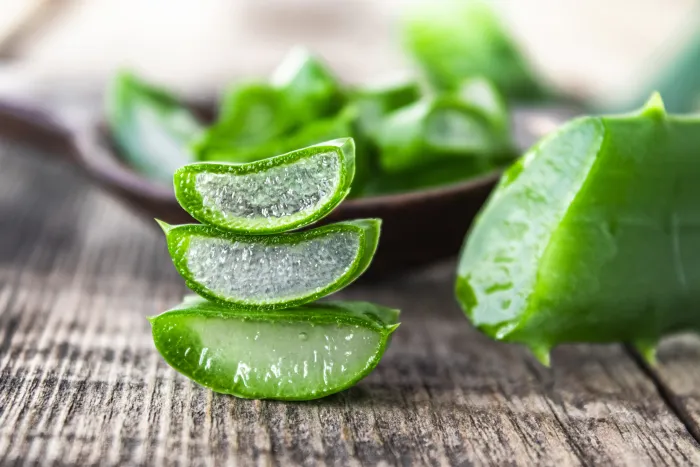
Aloe vera gel is the clear, jelly-like substance found in the inner leaf of the Aloe barbadensis miller plant. It’s mostly water and natural sugars (polysaccharides) that help the skin hold moisture. When used on the skin, aloe can feel cooling and hydrating. It’s different from aloe latex, the yellow sap from the outer leaf, which is a stimulant laxative and not the same as the soothing gel used for skincare.
Aloe Vera Gel Benefits for Skincare: What the Evidence Shows
Here are the benefits of aloe vera gel benefits:
Sunburn and Minor Burns
Aloe vera has long been used for sunburn and mild burns.
• What we know: Aloe vera gel can help soothe sunburn and may modestly support healing of mild first- or second-degree burns. Several clinical reviews suggest a small benefit for burn healing time, though findings are mixed.
• How to use:
1. First, cool the skin with cool running water (for burns) or a cool compress (for sun burn) for 10–20 minutes.
2. Gently pat dry, then apply a thin layer of pure aloe vera gel.
3. Reapply as needed for comfort. Use fragrance-free, alcohol-free products to avoid irritation.
• When to get help: Seek urgent medical care for blistering over large areas, severe pain, signs of infection, chemical or electrical burns, or burns on the face, hands, feet, or genitals.
Dryness, Irritation, and Everyday Skincare
Aloe gel can support light daily hydration.
• What we know: Aloe gel is a humectant—it helps draw moisture into the skin—so it can be a light, soothing hydrator. It may help calm temporary redness or tightness after shaving or sun exposure.
• How to use: Apply a thin layer to clean skin; follow with a moisturiser to seal hydration if your skin is dry.
Acne: An Adjunct, Not a Cure
Aloe can help with irritation from acne treatments.
• What we know: Evidence for aloe vera gel alone in acne is limited. Some studies suggest aloe gel may help when used with conventional acne treatments.
• How to use: After cleansing and applying your acne medication, a thin layer of aloe gel can help reduce dryness or irritation.
Psoriasis and Seborrheic Dermatitis
Research is still developing in these conditions.
• What we know: Evidence is mixed and generally small. Aloe may help with scaling and itch but isn’t a standalone treatment.
• How to use: For mild scaling, a thin layer may provide comfort. Persistent or widespread symptoms need medical advice.
Wound Care: Proceed with Caution
Aloe is not suitable for deep or infected wounds. Know why:
• What we know: While aloe may help with superficial burns, the evidence for other wound types is inconsistent.
• What to avoid: Do not apply aloe to deep cuts, puncture wounds, or infected skin.
Aloe Vera Gel for Hair and Scalp
Aloe may help hydrate the scalp. Let’s see how:
• What we know: Evidence is limited, but aloe’s moisturising properties may help calm a dry, itchy scalp.
• How to use: Massage into the scalp, leave on 10–20 minutes, then rinse and shampoo.
Hair Hydration and Shine
Aloe can act as a lightweight leave-in. Let’s know more:
• What we know: Aloe gel can tame flyaways and add softness temporarily.
• How to use: Rub a pea-sized amount between your palms and smooth lightly over damp hair ends.
Topical vs. Oral Aloe: Important Differences
Topical and oral aloe are not interchangeable. Here’s the differences:
• Topical gel: Generally safe when used on intact skin.
• Oral aloe:
o Aloe latex is a stimulant laxative that can cause diarrhoea and cramping.
o Some studies raise safety concerns about non-decolourised whole-leaf extracts.
o Should not be used without medical guidance.
Consult Top Specialists Here
Safety, Side Effects, and Who Should Avoid Aloe?
Topical aloe is usually well tolerated. Here’s who should avoid aloe vera gel:
• Possible side effects: Stinging, burning, rash, and rare allergic reactions.
• Who should avoid or use cautiously:
o People with deep or infected wounds
o Pregnant or breastfeeding individuals (avoid oral aloe)
o Children (avoid oral aloe)
o Anyone taking medications that may interact with oral aloe
How to Choose a Good Quality of Aloe Vera Gel?
Not all aloe products are made the same. Here’s how to choose good quality aloe vera gel:
• Look for:
o Inner-leaf gel or decolourised/purified aloe
o Short ingredient list
o Fragrance-free, alcohol-free, dye-free
• Be cautious about:
o Whole-leaf or latex-containing products
o Strong fragrance or alcohol
o Overblown health claims
How to Use Aloe Vera Gel Safely and Effectively?
Tips for correct application:
• For sunburn and minor burns: Cool the area, pat dry, apply thin layer, repeat as needed.
• For daily skincare: Use after cleansing; follow with moisturiser if needed.
• For scalp comfort: Apply, leave on, rinse, and follow with shampoo.
When to Seek Medical Care?
Seek professional advice if:
• Burns are severe, blistering, infected, or large
• Wounds are not healing or are worsening
• You develop a rash after using aloe
• You plan to ingest aloe and take other medications
Consult Top Specialists Here
Consult Top Specialists Here

Dr. M. Krishna Bharath Reddy
General Physician/ Internal Medicine Specialist
10 Years • MD General Medicine, MRCP (London) and DM( Critical Care)
Chennai
Apollo One Chennai, Chennai


Dr. Mohammed Kamran
General Practitioner
5 Years • MBBS, FIDM
Nashik
Apollo 24|7 Clinic - Maharashtra, Nashik

Dr. Shaik Abdul Kalam
General Practitioner
3 Years • MD (Physician)
Visakhapatnam
Apollo 24|7 Clinic - Andhra Pradesh, Visakhapatnam

(225+ Patients)

Dr. Rajib Ghose
General Physician/ Internal Medicine Specialist
25 Years • MBBS
East Midnapore
VIVEKANANDA SEBA SADAN, East Midnapore

Dr. Ashmitha Padma
General Physician/ Internal Medicine Specialist
5 Years • MBBS, MD Internal Medicine
Bengaluru
Apollo Hospitals Jayanagar, Bengaluru
Consult Top Specialists Here
Dr. M. Krishna Bharath Reddy
General Physician/ Internal Medicine Specialist
10 Years • MD General Medicine, MRCP (London) and DM( Critical Care)
Chennai
Apollo One Chennai, Chennai
Dr. Mohammed Kamran
General Practitioner
5 Years • MBBS, FIDM
Nashik
Apollo 24|7 Clinic - Maharashtra, Nashik
Dr. Shaik Abdul Kalam
General Practitioner
3 Years • MD (Physician)
Visakhapatnam
Apollo 24|7 Clinic - Andhra Pradesh, Visakhapatnam
(225+ Patients)
Dr. Rajib Ghose
General Physician/ Internal Medicine Specialist
25 Years • MBBS
East Midnapore
VIVEKANANDA SEBA SADAN, East Midnapore
Dr. Ashmitha Padma
General Physician/ Internal Medicine Specialist
5 Years • MBBS, MD Internal Medicine
Bengaluru
Apollo Hospitals Jayanagar, Bengaluru
More articles from General Medical Consultation




Frequently Asked Questions
1) Is aloe vera gel good for daily skincare?
Yes, many people use aloe gel as a lightweight, soothing hydrator. It can be part of a simple routine, especially after sun exposure or shaving. If your skin is very dry, layer a moisturizer on top.
2) Does aloe vera gel help acne?
It may help as an add-on to acne treatments by calming irritation and adding hydration. Evidence for aloe alone treating acne is limited. Keep proven acne ingredients (like benzoyl peroxide, salicylic acid, or retinoids) as the core of your routine.
3) Can I use aloe vera gel on open wounds?
Avoid using aloe on deep, large, or infected wounds. It can be used on minor, superficial burns after cooling the area, but for open or serious wounds, seek medical care.
4) Is it safe to drink aloe vera juice?
Oral aloe products aren’t the same as topical gel and can have risks, especially those containing latex or whole leaf extracts. They can cause diarrhea, affect electrolytes, and interact with medications. Talk with a clinician before ingesting aloe.
5) How do I pick a good aloe gel?
Choose a product with “aloe vera gel” (inner leaf) high on the ingredient list, minimal additives, and no added fragrance or alcohol if you’re sensitive. Buy from reputable brands and avoid products that list “latex.”