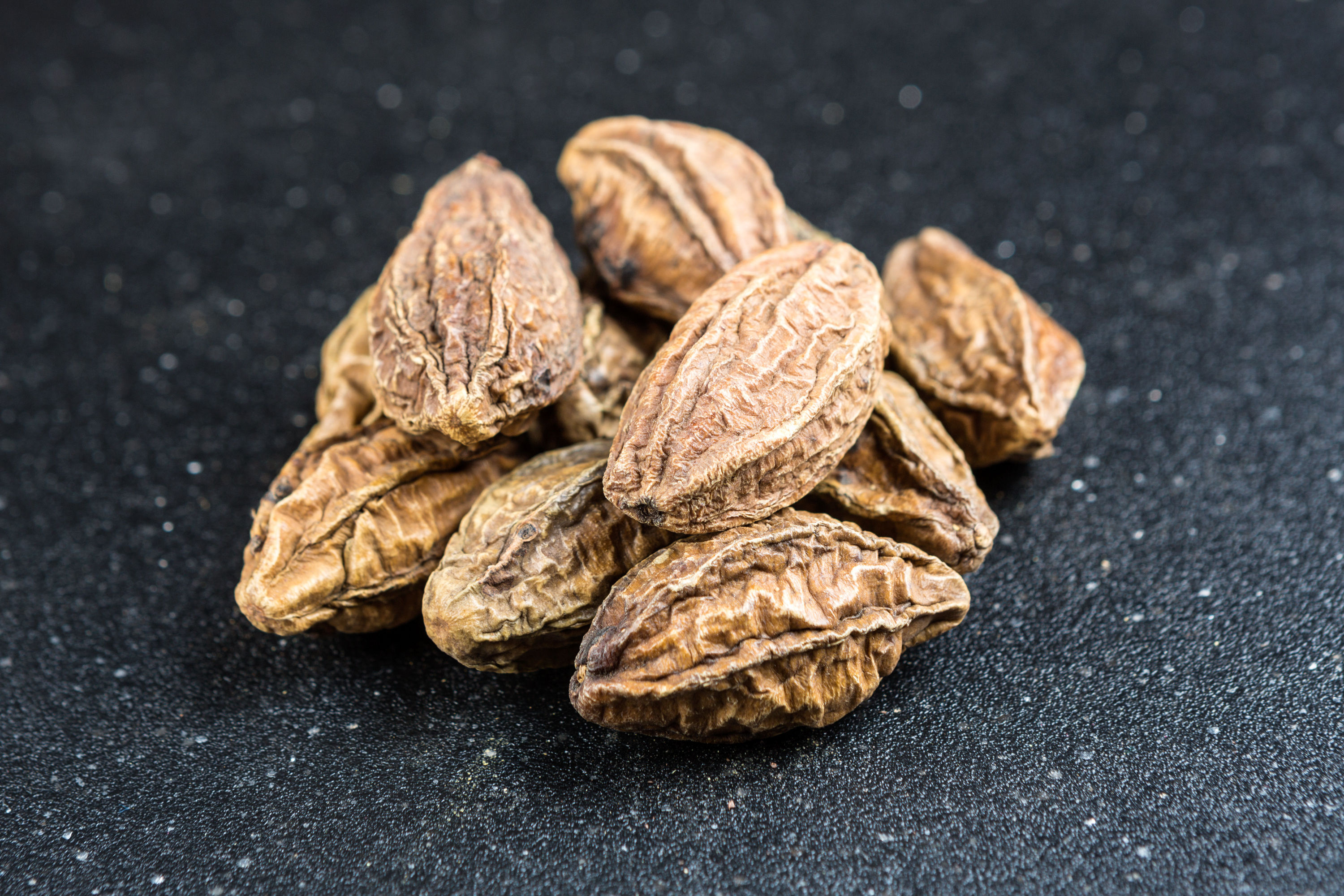
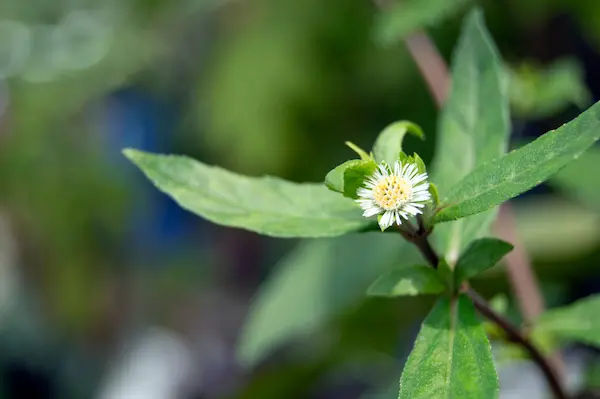
Rakhi Phool Benefits
Discover the benefits of Rakhi Phool (also known as Globe Amaranth), a medicinal flower known for its antioxidant, anti-inflammatory, and respiratory health-supporting properties in traditional herbal medicine.

Written by Dr. Vasanthasree Nair
Reviewed by Dr. Mohammed Kamran MBBS, FIDM
Last updated on 13th Jan, 2026
Introduction
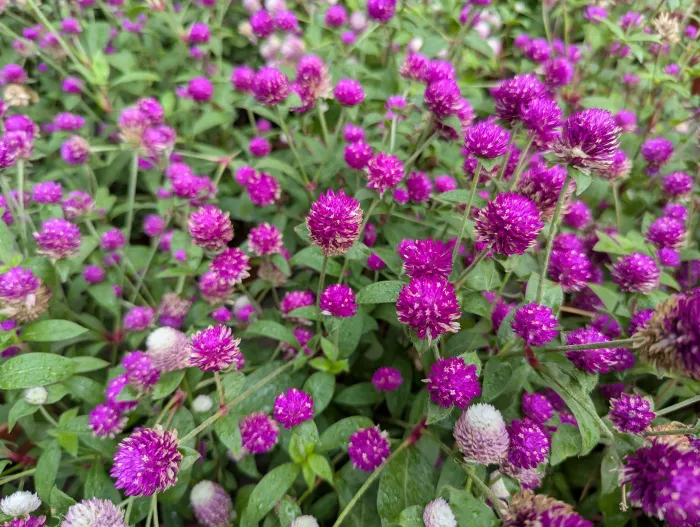
Rakhi Phool, also known as Crape Jasmine or Tabernaemontana divaricata, is a beautiful flowering plant commonly found in India. While it’s admired for its fragrant white flowers, it also holds several health benefits in traditional medicine. If you’re curious about how this plant can support your well-being, this article will explain its uses in simple terms.
Health Benefits of Rakhi Phool
Rakhi Phool offers a variety of health benefits rooted in traditional herbal practices. Here are some of them:
1. Helps with Pain Relief
The leaves and roots of Rakhi Phool have been traditionally used to relieve pain, especially headaches and joint pain.
A paste made from its leaves can be applied to swollen or painful areas for relief.
Consult Top Specialists for Personalised Tips
2. Supports Eye Health
The milky sap (latex) of the plant is believed to help with minor eye irritations.
However, always consult a doctor before using any home remedy near the eyes.
3. Aids in Wound Healing
The leaves have antiseptic properties, which may help in healing minor cuts and wounds when applied as a paste.
4. May Help with Digestive Issues
In some traditional practices, Rakhi Phool is used to relieve stomach discomfort.
A mild decoction of its leaves may help with indigestion, but more research is needed.
5. Potential Anti-inflammatory Effects
Some studies suggest that extracts from this plant may help reduce inflammation, which could benefit conditions like arthritis.
6. Stress Relief and Relaxation
The fragrance of Rakhi Phool flowers is known to have a calming effect, which may help reduce stress and anxiety.
How to Use Rakhi Phool Safely?
While Rakhi Phool has potential benefits, it’s important to use it carefully:
For external use (like pain relief or wounds): Crush fresh leaves into a paste and apply gently on the affected area.
For internal use (like digestion): Only use under expert guidance, as improper use may cause side effects.
Avoid self-medication: Always consult an Ayurvedic doctor before trying any herbal remedy, especially if you have existing health conditions.
Precautions to Keep in Mind
While this flower offers several health benefits, it’s important to keep certain precautions in mind to ensure safe and effective use.
Not safe for consumption in large amounts: Some parts of the plant may be toxic if taken in excess.
Allergies: If you notice skin irritation after applying the paste, wash it off immediately.
Pregnancy & breastfeeding: Avoid using it without medical advice.
When to See a Doctor?
While Rakhi Phool has traditional uses, it’s not a substitute for professional medical treatment. If you have:
Severe pain or swelling
Chronic digestive issues
Eye infections
Any allergic reactions
It’s best to consult a doctor. You can easily book an online consultation with an Ayurvedic or general physician on Apollo 24|7 for personalised advice.
Conclusion
Rakhi Phool is more than just a pretty flower—it has been valued in traditional medicine for its potential health benefits. However, always use herbal remedies with caution and under expert supervision. If you’re interested in natural healing, consider speaking with an Ayurvedic practitioner to understand the best way to incorporate such remedies into your routine.
For any health concerns, don’t hesitate to reach out to a doctor. Schedule a consultation today on Apollo 24|7 for expert guidance tailored to your needs!
Consult Top Specialists for Personalised Tips

Dr Saoli Datta Roy
Ayurveda Practitioner
15 Years • BAMS
Kolkata
SDR Wellness, Kolkata

Dr. Rashida
Ayurveda Practitioner
16 Years • BAMS
Chennai
ASHA Ayurveda Clinic and Therapy Center, Chennai

Dr. Rik Sadhukhan
Ayurveda Practitioner
8 Years • BAMS
Kolkata
Vedhive Ayurveda, Ballygunge, Kolkata

Dr. Shiv Prakash Singh
Ayurveda Practitioner
19 Years • BAMS
Kolkata
Vedhive Ayurveda College Street, Kolkata

(50+ Patients)

Dr. Anjan Das
Ayurveda Practitioner
8 Years • Ayurvedacharya ( B.A.M.S )
Dumdum
Vedhive Ayurveda Clinic, Dumdum