


Banana Leaf In Ayurveda: Benefits, Uses And Side Effects
Discover banana leaf benefits, ayurvedic uses, safety tips, and side effects. Learn what’s tradition, what’s science, and how to use banana leaves safely.

Introduction
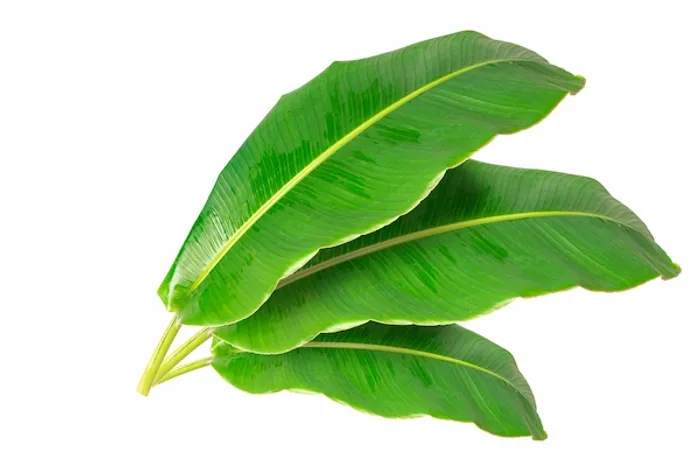
Banana leaves have been part of South Asian kitchens and rituals for centuries, especially within Ayurvedic traditions. People use them as natural plates, to wrap and steam foods, and as coverings in certain home remedies. But what does modern health science actually say? In this guide, we explore banana leaf benefits, ayurvedic uses, and potential side effects so you can make informed, practical choices for your family’s health and hygiene.
Why are Banana Leaves Used in Ayurveda?
Banana (Musa spp.) is a staple plant in many tropical regions. In Ayurveda and related cultural practices, the leaf often serves as a clean, single-use plate and as a food wrap for steaming. It is valued for its size, smooth surface, and aroma it imparts to food. Traditional practices sometimes use leaves to cover herbal poultices or as part of ritual meals intended to encourage mindful, sattvic eating.
Important note: While banana leaves are culturally significant and practical, strong clinical evidence for specific medicinal effects in humans is limited. Most health-related claims come from tradition or preliminary lab studies, not large, controlled clinical trials.
Banana Leaf Benefits in Ayurveda
Here are common, practical benefits people seek from banana leaves, along with what we know from food-safety and nutrition science:
Practical serving benefits:
- Large, sturdy, and water-resistant surface that works like a natural plate.
- Often single-use at events, which can reduce the chance of cross-contamination when compared with poorly washed reusable dishes.
- Easy cleanup and compostable in many home settings.
Culinary benefits:
- Great for wrapping and steaming fish, rice, and sweets, which can help cook with less oil.
- Adds a subtle herbal aroma and helps retain moisture in foods.
Food safety perspective:
- If the leaf is fresh, washed properly, and handled with clean hands and utensils, serving food on
- it can align with standard hygiene principles (like the WHO “Five Keys to Safer Food” and CDC Clean–Separate–Cook–Chill guidance).
- If the leaf is not properly washed or is contaminated (soil, animal waste, pesticides), it can carry germs - just like any raw produce.
Possible plant compounds:
- Laboratory analyses of banana plant leaves have identified polyphenols and other phytochemicals. Polyphenols are plant compounds found widely in fruits and vegetables and are studied for potential antioxidant roles.
- However, there is no strong clinical evidence that eating food off banana leaves provides meaningful amounts of these compounds or leads to specific health benefits in people.
Ayurvedic Uses of Banana Leaves
Here are the ayurverdic uses of banana leaves:
- Serving sattvic meals: In many traditions, foods thought to be simple, fresh, and nourishing are served on banana leaves during festivals, fast-breaking meals, and ceremonies. The practice supports mindful eating, gratitude, and community.
- Wrapping and steaming: The leaf is commonly used to wrap foods for steaming or grilling. This is a practical cooking method rather than a medically proven therapy.
- Covering herbal poultices: In some traditional practices, warm herbal bundles or compresses may be placed on the skin and covered with leaves to retain heat. Scientific evidence for specific health outcomes from the leaf itself is limited. Always consult a qualified healthcare provider before using any poultice on open skin, wounds, or rashes.
How to Use Banana Leaves Safely at Home?
If you enjoy the tradition and convenience, a few simple steps can help keep things safe:
Sourcing
- Choose fresh, green leaves from reputable grocers or food markets.
- If possible, ask for food-grade leaves. Avoid leaves that are visibly dusty, torn, or heavily spotted.
Cleaning and prep
- Rinse thoroughly under clean running water to remove dirt or debris.
- Wipe with a clean cloth or paper towel.
- For extra safety, briefly blanch the leaf in hot water or pass a clean, damp cloth dipped in hot water over the surface to help reduce surface microbes.
- Dry with a clean paper towel before use.
- Trim edges and remove the central rib if needed for flexibility.
Handling
- Wash your hands before handling leaves and food.
- Avoid cross-contamination: keep raw meats separate from ready-to-eat foods.
- Do not reuse leaves that have contacted raw meat, seafood, or eggs.
Cooking
- When using leaves to wrap foods, ensure proper internal cooking temperatures according to food-safety guidelines.
- Discard the leaf after cooking; it is a wrapper, not a primary food.
Consult Top Specialists Here
Possible Side Effects and Safety Considerations
Here are the possible side effects and safety considerations to keep in mind:
Allergy and cross-reactivity
People with latex allergy sometimes react to certain fruits, especially banana, due to cross-reactive proteins (latex–fruit syndrome). While reactions to the leaf are less well documented than to the fruit, those with known banana or latex allergies should be cautious with handling or eating food served on banana leaves. Seek advice from your clinician or allergist.
Contact dermatitis
As with many plants, sap or residues on the leaf can rarely irritate sensitive skin. If you notice redness, itching, or a rash after handling, wash the area with soap and water and avoid further contact. Seek medical care if symptoms persist or worsen.
Foodborne illness risk
If leaves are not properly cleaned, they can carry bacteria, parasites, or chemical residues (like pesticides). Following standard hygiene steps matters as much for leaves as for any fresh produce.
Special populations
For pregnant individuals, older adults, young children, and people with weakened immune systems, food safety is especially important. Ensure meticulous cleaning and handling or choose conventional, thoroughly cleaned plates.
Who Should be Cautious or Avoid Using Banana Leaves?
Here’s who should be cautious:
- Anyone with known banana allergy or latex allergy (discuss with a clinician).
- People with a history of contact dermatitis to plant materials.
- Individuals at higher risk of severe foodborne illness who cannot ensure proper leaf cleaning and handling.
Do Banana Leaves Provide Nutrients?
The leaf itself is not typically eaten, and it is not a significant source of nutrients in the diet. Some claim that trace plant compounds may transfer to food during steaming, but documented, clinically meaningful nutrient transfer from banana leaves to food has not been demonstrated in human studies.
a) Sustainability and environmental notes
- Banana leaves are renewable and biodegradable, making them an appealing alternative to certain disposable plates at gatherings.
- As with any single-use item, responsible sourcing and composting (where available) support environmental benefits.
What Does Science and Tradition Say?
Let’s see what does science and tradition says:
- Tradition: Ayurveda and regional culinary practices value banana leaves for serving and cooking, contributing to mindful eating and community rituals.
- Science: While banana plant leaves contain phytochemicals in lab studies, there is no strong, direct clinical evidence that banana leaf plates or wraps produce specific health benefits in people.
- The clearest advantages are practical (food handling, cooking technique) and environmental (biodegradability), provided you follow good hygiene.
Practical Tips to Get Started
- Try using banana leaves to steam fish or rice parcels for a fragrant, low-oil meal.
- For festive meals, serve hot, ready-to-eat foods on freshly cleaned leaves to enjoy the cultural experience.
- Keep a focus on food safety: clean leaves, clean hands, separate raw and cooked items, and cook to safe temperatures.
Consult Top Specialists Here
Consult Top Specialists Here

Ms Malabika Datta
Dietician
19 Years • Bsc (Clinical Nutrition & Dietetics), Msc (Dietetics & Food Service Management)
Kolkata
Malabika’s Diet Clinic, Kolkata

Ms. Neelanjana J
Dietician
5 Years • Bsc., Msc. Nutrition and Dietetics specialised general weight management, PCOS/PCOD weight loss and Diabetes management. A clinical dietitian with 4+ year experience specializing in evidence-based, result-oriented nutrition therapy. I have extensive experience in weight loss, thyroid management, PCOD/PCOS, weight gain, and diabetes & prediabetes care. My approach is personalized, practical, and sustainable—focusing on helping individuals achieve long-term lifestyle change rather than quick fixes. I work closely with clients to understand their medical history, lifestyle, and goals, and then design customized diet plans that support hormonal balance, metabolic health, and overall wellbeing. My goal is to make nutrition simple, realistic, and effective—so you see measurable results and feel your healthiest self.Auther in Health benefits of jackfruit (Artocarpus heterophyllus Lam.) seeds: A review (2023) The Pharma Innovation Journal Co- Auther in Malnutrition in Women: A review (2023) The Pharma Innovation Journal. Highfield Level 3 in HACCP. Highfield Level 4 International Award in Food Safety Managment
Bengaluru
Apollo Clinic, JP nagar, Bengaluru

Ms Chetu Singhi
Dietician
20 Years • MSC Dietetics & Nutrition
Kolkata
RB Diagnostic - Dietician Diet2fit Chetu Singhi, Kolkata

Ms. Soma Saha
clinical nutrition
17 Years • B.Sc. - Home Science (Food & Nutrition), M.Sc. - Home Science (Food & Nutrition)
Kolkata
Dr Utsa Basu Clinic, Kolkata

(50+ Patients)

Ms. Sreeparna Dey Dhara Deb
Dietician
10 Years • DNHE
Bansdroni
Siddhita Healthcare., Bansdroni
Consult Top Specialists Here
Ms Malabika Datta
Dietician
19 Years • Bsc (Clinical Nutrition & Dietetics), Msc (Dietetics & Food Service Management)
Kolkata
Malabika’s Diet Clinic, Kolkata
Ms. Neelanjana J
Dietician
5 Years • Bsc., Msc. Nutrition and Dietetics specialised general weight management, PCOS/PCOD weight loss and Diabetes management. A clinical dietitian with 4+ year experience specializing in evidence-based, result-oriented nutrition therapy. I have extensive experience in weight loss, thyroid management, PCOD/PCOS, weight gain, and diabetes & prediabetes care. My approach is personalized, practical, and sustainable—focusing on helping individuals achieve long-term lifestyle change rather than quick fixes. I work closely with clients to understand their medical history, lifestyle, and goals, and then design customized diet plans that support hormonal balance, metabolic health, and overall wellbeing. My goal is to make nutrition simple, realistic, and effective—so you see measurable results and feel your healthiest self.Auther in Health benefits of jackfruit (Artocarpus heterophyllus Lam.) seeds: A review (2023) The Pharma Innovation Journal Co- Auther in Malnutrition in Women: A review (2023) The Pharma Innovation Journal. Highfield Level 3 in HACCP. Highfield Level 4 International Award in Food Safety Managment
Bengaluru
Apollo Clinic, JP nagar, Bengaluru
Ms Chetu Singhi
Dietician
20 Years • MSC Dietetics & Nutrition
Kolkata
RB Diagnostic - Dietician Diet2fit Chetu Singhi, Kolkata
Ms. Soma Saha
clinical nutrition
17 Years • B.Sc. - Home Science (Food & Nutrition), M.Sc. - Home Science (Food & Nutrition)
Kolkata
Dr Utsa Basu Clinic, Kolkata
(50+ Patients)
Ms. Sreeparna Dey Dhara Deb
Dietician
10 Years • DNHE
Bansdroni
Siddhita Healthcare., Bansdroni
More articles from General Medical Consultation


Frequently Asked Questions
Are banana leaves edible?
They are not typically eaten because they are fibrous and not easily digestible. They are mainly used as wrappers or plates. If tiny bits end up in food, they are generally harmless, but the leaf is not a significant nutrient source.
Do banana leaves have proven medicinal benefits?
Not in humans. Lab studies show banana plant leaves contain polyphenols and other compounds, but there is no strong clinical evidence that serving or cooking food with banana leaves provides specific health benefits beyond practical and culinary advantages.
Is it safe to serve hot food on banana leaves?
Yes, if the leaves are fresh, cleaned properly, and handled hygienically. The leaf may soften with heat and can impart a mild aroma to food. Always keep general food-safety rules in mind.
I have a latex allergy. Can I use banana leaves?
Use caution. People with latex allergy sometimes react to bananas. While reactions to leaves are less well studied than to the fruit, cross-reactivity is possible. Consult your clinician or allergist and avoid direct contact if you have a history of reactions.
How do I clean banana leaves before using them as plates?
Rinse under clean running water, wipe with a clean cloth or paper towel, optionally blanch briefly with hot water or wipe with a hot, damp cloth, then dry. Handle with clean hands and avoid cross-contamination with raw foods.