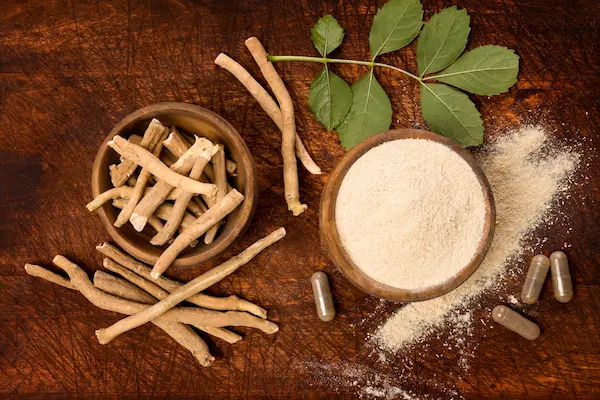
Benefits of Kasani (Chicory)
Explore the health benefits of Kasani (chicory), a traditional herb known for supporting liver health, digestion, and overall wellness. Learn its uses and advantages.


Introduction
In today’s fast-paced world, maintaining good health is more important than ever. Many people are turning to natural remedies to support their well-being, and one such powerful herb is Kasani, also known as Chicory (Cichorium intybus). This humble plant has been used for centuries in traditional medicine, and modern research continues to uncover its numerous health benefits. If you're looking for a natural way to improve digestion, liver health, or even blood sugar levels, Kasani might be the answer. Let’s explore its benefits and uses and how you can incorporate it into your daily routine.
What is Kasani (Chicory)?
Kasani is a perennial herb with bright blue flowers, commonly found in Europe, India, and other parts of Asia. Its roots, leaves, and seeds are all used for medicinal purposes. The roasted root is often used as a coffee substitute, while the leaves are consumed as a salad green.
Key nutrients in Kasani:
Inulin (a prebiotic fiber that supports gut health)
Vitamins (A, B6, C, and K)
Minerals (Potassium, Calcium, Magnesium)
Antioxidants (Fights free radicals)
Top Health Benefits of Kasani
Some of the top benefits of Kasani are:
1. Supports Digestive Health: Kasani is rich in inulin, a type of dietary fiber that acts as a prebiotic, feeding the good bacteria in your gut. This helps improve digestion, reduce bloating, and prevent constipation.
Tip: Drinking Kasani root tea can help soothe an upset stomach and promote regular bowel movements.
2. Boosts Liver Function: The liver plays a crucial role in detoxifying the body, and Kasani has been traditionally used to support liver health. It helps stimulate bile production, which aids in digestion and detoxification.
Tip: A cup of Kasani tea after meals can help improve liver function.
3. Helps Manage Blood Sugar Levels: Kasani may help regulate blood sugar levels, making it beneficial for people with diabetes or prediabetes. The inulin in Kasani slows down sugar absorption, preventing sudden spikes.
Tip: Replace sugary drinks with Kasani coffee or tea for better blood sugar control.
4. Aids in Weight Management: Since Kasani is low in calories and high in fibre, it can help you feel full for longer, reducing unnecessary cravings.
Tip: Add fresh Kasani leaves to salads for a nutritious, weight-friendly meal.
5. Improves Heart Health: Kasani contains compounds that may help lower bad cholesterol (LDL) and improve circulation, reducing the risk of heart disease.
Tip: Regular consumption of Kasani tea may support a healthy heart.
6. Reduces Inflammation: The antioxidants in Kasani help fight inflammation, which is linked to chronic diseases like arthritis and heart conditions.
Tip: Including Kasani in your diet may help reduce joint pain and swelling.
7. Enhances Immunity: Rich in vitamin C and antioxidants, Kasani strengthens the immune system, helping the body fight infections.
Tip: A warm cup of Kasani tea during cold seasons can keep illnesses at bay.
Consult Top Specialists for Personalised Usage Tips
How to Use Kasani in Your Daily Life?
Ways to use Kasani in daily life are:
1. Kasani Tea or Coffee
Roasted Kasani root can be brewed like coffee for a caffeine-free alternative.
Steep dried Kasani leaves in hot water for a soothing herbal tea.
2. Fresh Leaves in Salads
Young Kasani leaves can be added to salads for a slightly bitter, nutritious boost.
3. Powder or Supplements
Kasani powder can be mixed with warm water or honey for easy consumption.
Supplements are also available, but consult a doctor before taking them.
Precautions & Side Effects
While Kasani is generally safe, some people may experience:
Allergic reactions (rare, but possible in sensitive individuals)
Lower blood sugar levels (Diabetics should monitor their levels)
Pregnancy & breastfeeding – Consult a doctor before use.
If you have gallstones or bile duct issues, avoid Kasani as it stimulates bile production.
When to Consult a Doctor?
If you’re considering Kasani for a specific health condition (like diabetes or liver disease), it’s best to consult a healthcare provider to ensure it doesn’t interfere with your medications.
Conclusion
Kasani is a versatile herb with impressive health benefits, from improving digestion to supporting liver and heart health. Whether you choose to drink it as tea, add it to salads, or take it as a supplement, this natural remedy can be a great addition to your wellness routine.
Remember, while natural remedies are beneficial, they should complement, not replace, medical treatments. Always consult a healthcare professional before making significant changes to your diet or health regimen.
Consult Top Dieticians

Ms Malabika Datta
Dietician
19 Years • Bsc (Clinical Nutrition & Dietetics), Msc (Dietetics & Food Service Management)
Kolkata
Malabika’s Diet Clinic, Kolkata

Ms. Sushma Jaiswal
Dietician
42 Years • M.Sc.(Food & Nutrition)
Bengaluru
Swasthya Nutrition, Bengaluru

Dr Darshana R
General Physician/ Internal Medicine Specialist
15 Years • MBBS, MD, DNB (Internal Medicine), Diploma in Allergy, Asthma and Immunology , Fellowship in Diabetes
Bengaluru
Apollo Clinic, JP nagar, Bengaluru

(125+ Patients)

Ms. Neelanjana J
Dietician
5 Years • Bsc., Msc. Nutrition and Dietetics specialised general weight management, PCOS/PCOD weight loss and Diabetes management. A clinical dietitian with 4+ year experience specializing in evidence-based, result-oriented nutrition therapy. I have extensive experience in weight loss, thyroid management, PCOD/PCOS, weight gain, and diabetes & prediabetes care. My approach is personalized, practical, and sustainable—focusing on helping individuals achieve long-term lifestyle change rather than quick fixes. I work closely with clients to understand their medical history, lifestyle, and goals, and then design customized diet plans that support hormonal balance, metabolic health, and overall wellbeing. My goal is to make nutrition simple, realistic, and effective—so you see measurable results and feel your healthiest self.Auther in Health benefits of jackfruit (Artocarpus heterophyllus Lam.) seeds: A review (2023) The Pharma Innovation Journal Co- Auther in Malnutrition in Women: A review (2023) The Pharma Innovation Journal. Highfield Level 3 in HACCP. Highfield Level 4 International Award in Food Safety Managment
Bengaluru
Apollo Clinic, JP nagar, Bengaluru

Ms Chetu Singhi
Dietician
20 Years • MSC Dietetics & Nutrition
Kolkata
RB Diagnostic - Dietician Diet2fit Chetu Singhi, Kolkata
Consult Top Specialists for Personalised Usage Tips
Ms Malabika Datta
Dietician
19 Years • Bsc (Clinical Nutrition & Dietetics), Msc (Dietetics & Food Service Management)
Kolkata
Malabika’s Diet Clinic, Kolkata
Ms. Sushma Jaiswal
Dietician
42 Years • M.Sc.(Food & Nutrition)
Bengaluru
Swasthya Nutrition, Bengaluru
Dr Darshana R
General Physician/ Internal Medicine Specialist
15 Years • MBBS, MD, DNB (Internal Medicine), Diploma in Allergy, Asthma and Immunology , Fellowship in Diabetes
Bengaluru
Apollo Clinic, JP nagar, Bengaluru
(125+ Patients)
Ms. Neelanjana J
Dietician
5 Years • Bsc., Msc. Nutrition and Dietetics specialised general weight management, PCOS/PCOD weight loss and Diabetes management. A clinical dietitian with 4+ year experience specializing in evidence-based, result-oriented nutrition therapy. I have extensive experience in weight loss, thyroid management, PCOD/PCOS, weight gain, and diabetes & prediabetes care. My approach is personalized, practical, and sustainable—focusing on helping individuals achieve long-term lifestyle change rather than quick fixes. I work closely with clients to understand their medical history, lifestyle, and goals, and then design customized diet plans that support hormonal balance, metabolic health, and overall wellbeing. My goal is to make nutrition simple, realistic, and effective—so you see measurable results and feel your healthiest self.Auther in Health benefits of jackfruit (Artocarpus heterophyllus Lam.) seeds: A review (2023) The Pharma Innovation Journal Co- Auther in Malnutrition in Women: A review (2023) The Pharma Innovation Journal. Highfield Level 3 in HACCP. Highfield Level 4 International Award in Food Safety Managment
Bengaluru
Apollo Clinic, JP nagar, Bengaluru
Ms Chetu Singhi
Dietician
20 Years • MSC Dietetics & Nutrition
Kolkata
RB Diagnostic - Dietician Diet2fit Chetu Singhi, Kolkata