Benefits of Paan (Betel Leaf)
Discover the health benefits of paan (betel leaf), its traditional uses, and tips for safe consumption. Learn how this cultural favourite supports digestion and more.

Written by Dr. Md Yusuf Shareef
Reviewed by Dr. Rohinipriyanka Pondugula MBBS
Last updated on 17th Mar, 2026
Introduction
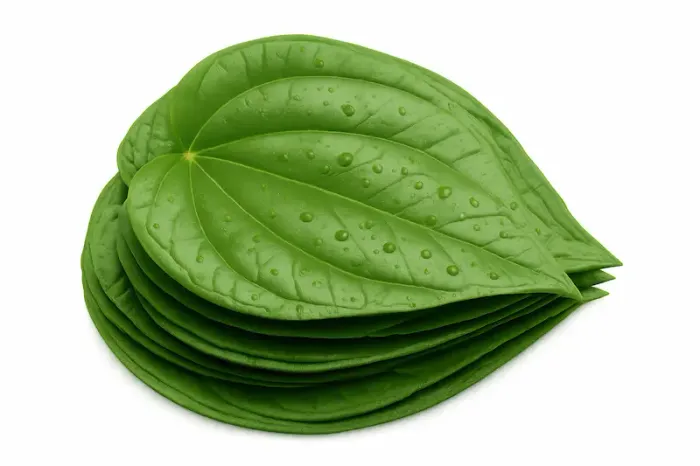
Paan, a traditional chew made from betel leaf (Piper betle), holds a prominent place in many South Asian cultures. Often offered as a gesture of hospitality or consumed after meals, paan is enjoyed for its refreshing taste and reputed digestive benefits. This centuries-old preparation typically involves wrapping a betel leaf around a blend of ingredients such as areca nut (supari), slaked lime (chuna), and sometimes tobacco, spices, or sweeteners. Rooted in Ayurvedic and traditional medicinal practices, paan has long been valued for its stimulant and digestive properties. However, while it is cherished for cultural and culinary reasons, it's equally important to understand the health implications of its ingredients. In this article, we’ll explore the health benefits of paan, its traditional uses, and how to consume it safely.
Potential Health Benefits of Paan (Without Tobacco)
When consumed in its natural form (without tobacco), paan may offer some health benefits:
1. Aids Digestion
- Betel leaves contain compounds that stimulate saliva production, helping break down food.
- Traditionally, paan is eaten after meals to relieve bloating and indigestion.
2. Freshens Breath
- The natural oils in betel leaves have antibacterial properties that may reduce bad breath.
- Some people chew paan as a natural mouth freshener.
3. May Have Antioxidant Properties
Betel leaves contain polyphenols, which help fight oxidative stress in the body.
4. Boosts Energy
The areca nut in paan contains mild stimulants that may provide a temporary energy boost.
However, excessive consumption can lead to dependency.
5. Traditional Medicinal Uses
In Ayurveda, betel leaves are used to relieve cough, headaches, and wounds.
Some cultures apply betel leaf paste to minor cuts for its antiseptic effects.
Consult Top Specialists for Personalised Usage Tips
Risks and Side Effects of Paan
While paan has some benefits, excessive or improper use can lead to health problems:
1. Oral Health Issues
- Frequent chewing of paan (especially with tobacco) can stain teeth, cause gum disease, and increase the risk of oral cancer.
- The slaked lime (chuna) can erode tooth enamel over time.
2. Addiction Potential
Areca nut contains alkaloids that can be habit-forming, leading to dependency.
Long-term use may cause withdrawal symptoms like irritability and headaches.
3. Increased Cancer Risk
- Paan with tobacco is a major risk factor for mouth, throat, and esophageal cancer.
- Even without tobacco, frequent use of areca nut has been linked to oral submucous fibrosis (a precancerous condition).
4. Digestive Problems
Overconsumption may lead to acidity, stomach ulcers, or constipation.
How to Consume Paan Safely?
If you enjoy paan, here are some tips to minimise risks:
- Avoid Tobacco: Never mix paan with tobacco to reduce cancer risk.
- Limit Frequency: Occasional consumption is safer than daily use.
- Choose Natural Ingredients: Opt for plain betel leaves with fennel (saunf) or cardamom (elaichi) instead of areca nut.
- Maintain Oral Hygiene: Rinse your mouth after eating paan to reduce acidity and staining.
When to See a Doctor?
If you experience any of the following, consult a healthcare professional:
- White patches or ulcers in the mouth
- Difficulty opening the mouth (a sign of oral submucous fibrosis)
- Persistent digestive issues
Conclusion
Paan can be enjoyed in moderation for its digestive and refreshing benefits, but it’s important to be mindful of its risks, especially when mixed with tobacco or consumed excessively. If you have concerns about oral health or addiction, consider healthier alternatives like chewing fennel seeds or mint leaves.
Consult Top Dieticians
Consult Top Dieticians

Ms. Sreeparna Dey Dhara Deb
Dietician
10 Years • DNHE
Bansdroni
Siddhita Healthcare., Bansdroni

Dr. Chaithanya R
Internal Medicine Specialist Diabetologist
16 Years • MBBS, MD Internal Medicine, Fellowship in Diabetes(UK), CCEBDM(PHFI)
Bangalore
Apollo Clinic Bellandur, Bangalore

(75+ Patients)

Ms. Samapti Maity
Dietician
16 Years • MSc. (Clinical Nutrition & Dietitics), NDEP, Course in Maternal Infant Young Child Nutrition.Diploma in Sports Nutrition, Diploma in Diabetic educator, FODMAP Specialist
Kolkata
BIENETRE CLINIC, Kolkata

Ms. Malabika Datta
Dietician
17 Years • Msc. in Dietetics & Food Service Management
Kolkata
Dr Utsa Basu Clinic, Kolkata
(25+ Patients)

Dr. Sushith C
General Physician
2 Years • MBBS
Bengaluru
PRESTIGE SHANTHINIKETAN - SOCIETY CLINIC, Bengaluru
Consult Top Specialists for Personalised Usage Tips
Ms. Sreeparna Dey Dhara Deb
Dietician
10 Years • DNHE
Bansdroni
Siddhita Healthcare., Bansdroni
Dr. Chaithanya R
Internal Medicine Specialist Diabetologist
16 Years • MBBS, MD Internal Medicine, Fellowship in Diabetes(UK), CCEBDM(PHFI)
Bangalore
Apollo Clinic Bellandur, Bangalore
(75+ Patients)
Ms. Samapti Maity
Dietician
16 Years • MSc. (Clinical Nutrition & Dietitics), NDEP, Course in Maternal Infant Young Child Nutrition.Diploma in Sports Nutrition, Diploma in Diabetic educator, FODMAP Specialist
Kolkata
BIENETRE CLINIC, Kolkata
Ms. Malabika Datta
Dietician
17 Years • Msc. in Dietetics & Food Service Management
Kolkata
Dr Utsa Basu Clinic, Kolkata
(25+ Patients)
Dr. Sushith C
General Physician
2 Years • MBBS
Bengaluru
PRESTIGE SHANTHINIKETAN - SOCIETY CLINIC, Bengaluru
 Ayurveda Benefits & Uses.webp)