


Benefits of Sadapushpa
Explore the health benefits of Sadapushpa (White Datura), a traditional herb known for its role in respiratory relief, pain management, and natural healing in Ayurvedic practices.

Written by Dr. Shaik Abdul Kalam
Reviewed by Dr. Shaik Abdul Kalam MD (Physician)
Last updated on 13th Jan, 2026
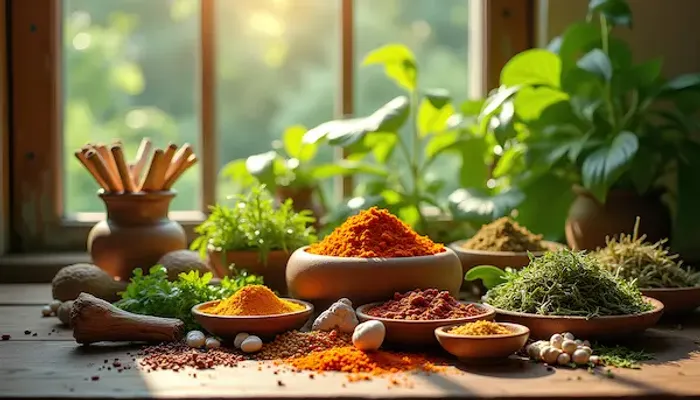
Introduction
In the world of Ayurveda, Shatavari (Asparagus racemosus), also known as Shatapushpa, is a revered herb known for its incredible health benefits. Often called the "Queen of Herbs," it has been used for centuries to support overall well-being, particularly in women’s health, digestion, and immunity. If you're looking for a natural way to enhance your health, Shatavari might be the answer.
What is Shatavari (Shatapushpa)?
Shatavari is a climbing plant native to India, Nepal, and Sri Lanka. Its roots are the most valuable part, packed with medicinal properties. The name "Shatavari" means "one who possesses a hundred husbands", highlighting its traditional use in supporting female reproductive health.
Key Health Benefits of Shatavari
Key health benefits of Shatavari are:
1. Supports Women’s Health
Hormonal Balance: Shatavari helps regulate oestrogen levels, making it beneficial for women dealing with PMS, irregular periods, and menopause symptoms like hot flashes and mood swings.
Fertility & Pregnancy: It is known to enhance fertility, support a healthy pregnancy, and improve lactation in breastfeeding mothers.
2. Boosts Immunity: Shatavari is rich in antioxidants and strengthens the immune system, helping the body fight infections and diseases naturally.
3. Improves Digestion
It soothes the digestive tract and helps with acid reflux, gastritis, and ulcers.
Acts as a mild laxative, relieving constipation.
4. Reduces Stress & Anxiety: Shatavari has adaptogenic properties, meaning it helps the body cope with stress, anxiety, and fatigue. It promotes relaxation and mental clarity.
5. Enhances Energy & Stamina: Traditionally used as a rejuvenating tonic, Shatavari helps combat fatigue and boosts vitality.
6. Supports Heart Health: It may help regulate blood pressure and cholesterol levels, promoting cardiovascular wellness.
Consult Top Ayurvedic Practitioner
How to Use Shatavari?
Shatavari is available in different forms:
Powder: Mix ½ to 1 teaspoon with warm milk or water.
Capsules/Tablets: Take as per the recommended dosage.
Juice/Syrup: Consume in small quantities for better absorption.
Who Should Avoid Shatavari?
People who should avoid Shatavari are:
People with allergies to asparagus should avoid it.
Those with hormone-sensitive conditions (like certain cancers) should consult a doctor before use.
Pregnant women should take it only under medical supervision.
Lifestyle Tips for Maximum Benefits
Some of the lifestyle tips for maximum benefits are:
Combine with a balanced diet (rich in fruits, vegetables, and whole grains).
Stay hydrated to help the body absorb nutrients better.
Practice yoga or meditation to enhance its stress-relieving effects.
When to Consult a Doctor?
While Shatavari is generally safe, it’s best to consult a doctor or healthcare provider if:
You have existing medical conditions.
You are on medication (to avoid interactions).
You experience any unusual symptoms after consumption.
Conclusion
Sadapushpa, also known as White Datura, holds a revered place in traditional Ayurvedic medicine due to its wide-ranging therapeutic properties. From easing respiratory discomfort and relieving pain to supporting natural detoxification and calming the nervous system, this powerful herb offers a host of potential benefits when used mindfully. However, given its potent nature and the presence of alkaloids, it should only be used under expert guidance to ensure safety and effectiveness. Embracing Sadapushpa as part of a holistic wellness routine can offer natural support for several health conditions while aligning with time-tested Ayurvedic principles.
Consult Top Ayurvedic Practitioner
Consult Top Ayurvedic Practitioner

Dr. Konegari Loka Sai Kiriti
Ayurveda Practitioner
8 Years • BAMS, MD(Kayachikitsa)
Visakhapatnam
Apollo 24|7 Clinic - Andhra Pradesh, Visakhapatnam

Dr. Shiv Prakash Singh
Ayurveda Practitioner
19 Years • BAMS
Kolkata
Vedhive Ayurveda College Street, Kolkata

(50+ Patients)

Dr. Anjan Das
Ayurveda Practitioner
8 Years • Ayurvedacharya ( B.A.M.S )
Dumdum
Vedhive Ayurveda Clinic, Dumdum

Dr. Rik Sadhukhan
Ayurveda Practitioner
8 Years • BAMS
Kolkata
Vedhive Ayurveda, Ballygunge, Kolkata

Dr. Rashida
Ayurveda Practitioner
16 Years • BAMS
Chennai
ASHA Ayurveda Clinic and Therapy Center, Chennai
Consult Top Ayurvedic Practitioner
Dr. Konegari Loka Sai Kiriti
Ayurveda Practitioner
8 Years • BAMS, MD(Kayachikitsa)
Visakhapatnam
Apollo 24|7 Clinic - Andhra Pradesh, Visakhapatnam
Dr. Shiv Prakash Singh
Ayurveda Practitioner
19 Years • BAMS
Kolkata
Vedhive Ayurveda College Street, Kolkata
(50+ Patients)
Dr. Anjan Das
Ayurveda Practitioner
8 Years • Ayurvedacharya ( B.A.M.S )
Dumdum
Vedhive Ayurveda Clinic, Dumdum
Dr. Rik Sadhukhan
Ayurveda Practitioner
8 Years • BAMS
Kolkata
Vedhive Ayurveda, Ballygunge, Kolkata
Dr. Rashida
Ayurveda Practitioner
16 Years • BAMS
Chennai
ASHA Ayurveda Clinic and Therapy Center, Chennai




.webp)