



Best Dry Fruits to Eat for Quick and Healthy Weight Loss
Discover the best dry fruits for weight loss. Learn how nuts and seeds make healthy snacks that curb cravings, boost fullness, and support your goals.

Written by Dr. Siri Nallapu
Reviewed by Dr. Md Yusuf Shareef MBBS, Advanced Certificate Course in Dermatology
Last updated on 13th Jan, 2026
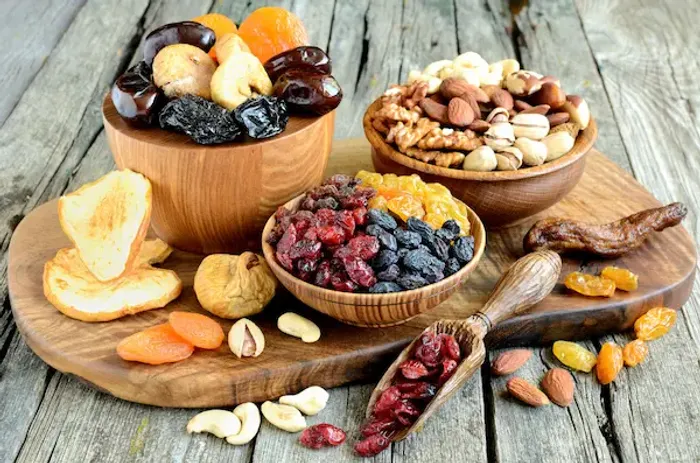
Introduction: Why this topic matters
Looking for simple snack ideas that actually help your weight-loss plan? Dry fruits for weight loss—especially nuts and seeds—can be smart, satisfying, and portable choices. They offer fibre, protein, and healthy fats that keep you fuller for longer, making it easier to manage portions and avoid ultra-processed snacks. In this guide, you’ll learn which options are best, how to portion them, and easy ways to turn them into healthy snacks that support steady, realistic progress.
Note: In many places, “dry fruits” includes nuts, seeds, and dried fruits (like raisins, prunes, and dates). This article covers all three, so you can snack confidently and wisely.
Why choose dry fruits for weight loss?
Dry fruits, when used strategically, can play a meaningful role in a balanced weight management plan. They are concentrated sources of nutrients, which means small amounts deliver significant nourishment.
Key benefits:
- They’re nutrient-dense. Nuts, seeds, and dried fruits pack vitamins, minerals, and antioxidants into small portions, so you get more nutrition per bite.
- They promote fullness. Fibre, protein, and unsaturated fats help tame hunger and reduce the urge to overeat later.
- They’re convenient. These shelf-stable foods are easy to carry, making healthier choices more likely when you’re busy.
- They fit a balanced eating pattern. Used in moderation, dry fruits can replace less healthy snacks that are high in refined sugars and low in nutrients.
Consult a Top Nutritionist for Personalised Advice
The fullness advantage of nuts and seeds
Nuts and seeds are naturally satiating and can help regulate appetite due to their nutritional makeup.
How they support fullness:
- Fibre slows digestion and stabilises energy. This helps prevent rapid hunger spikes.
- Protein supports satiety and muscle maintenance. This makes them especially helpful during weight loss.
- Healthy fats (especially unsaturated fats) help you feel satisfied after eating.
- Crunch and chew time adds a mindful eating benefit, which can reduce overeating.
Best nuts and seeds for weight loss
Nuts and seeds are among the most reliable healthy snacks for managing hunger. Choose plain (unsalted, unsweetened) options when possible, and portion them out.
Almonds
- Why they’re great: A mix of fibre, protein, and unsaturated fats supports fullness. Almonds also provide vitamin E and magnesium.
- How to enjoy: A small handful (about 1 ounce) on its own, or sprinkled over oatmeal, salads, or yoghurt.
Walnuts
- Why they’re great: Rich in plant-based omega-3 (ALA), which supports heart health. Their hearty texture adds satisfaction.
- How to enjoy: Add to a leafy salad with berries, or blend a few into smoothies for creaminess.
Pistachios
- Why they’re great: You get more nuts per ounce compared with many other varieties. If you buy them in-shell, the shelling slows you down and can help with mindful eating.
- How to enjoy: Pair with a small piece of fruit for a balanced snack.
Cashews
- Why they’re great: Creamy texture, satisfying, and versatile in savoury and sweet dishes.
- How to enjoy: Dry-roasted cashews with a sprinkle of cinnamon, or blend a few into sauces for vegetable bowls.
Hazelnuts
- Why they’re great: Provide healthy fats and a satisfying crunch; delicious with cocoa powder and yoghurt for a dessert-like snack without added sugar.
- How to enjoy: Chop into overnight oats or sprinkle over roasted vegetables.
Peanuts (technically a legume, nutrition-wise similar to nuts)
- Why they’re great: Affordable, accessible, and protein-rich. Peanut butter (no added sugar or hydrogenated oils) can be an easy way to add staying power to snacks.
- How to enjoy: Spread on apple slices or whole-grain toast.
Top seeds to include
Seeds are small but mighty—packed with fibre and micronutrients.
Chia seeds
- Very high in fibre; absorb liquid to form a gel, which can increase fullness.
- Great in yoghurt or overnight oats.
Flaxseeds
- Provide fibre and plant omega-3s; use ground flax for better absorption.
- Stir into smoothies or sprinkle over cereal.
Pumpkin seeds (pepitas)
Naturally rich in minerals and protein; excellent toasted and added to salads.
Sunflower seeds
- Crunchy and satisfying; choose unsalted.
- Mix into a homemade trail mix with a few raisins.
Best dried fruits to include (and how to portion them)
Dried fruits are simply fresh fruit with the water removed, which concentrates natural sugars and calories—but also packs fibre and micronutrients into small servings. The key is portion size and choosing unsweetened options.
Prunes (dried plums)
- Why they’re great: Naturally high in fibre and known for supporting regularity. Their chewy texture and sweetness can curb dessert cravings.
- How to enjoy: Chop 2–3 prunes into plain yoghurt with cinnamon and walnuts.
Raisins
- Why they’re great: Convenient and easy to mix into meals; their sweetness pairs well with nuts and seeds.
- How to enjoy: Add a tablespoon to oatmeal or a salad with arugula, goat cheese, and pistachios.
Dates
- Why they’re great: Very sweet and satisfying in small portions; naturally rich in fibre.
- How to enjoy: 1–2 dates stuffed with almond butter makes a quick treat; try slicing into a bowl of plain Greek yoghurt.
Dried apricots
- Why they’re great: Tender, tangy, and fibre-containing; a little goes a long way.
- How to enjoy: Dice 2–3 halves into quinoa salads with herbs and pumpkin seeds.
Helpful tips for dried fruit
Some helpful tips include:
- Choose “unsweetened” and “no added sugar” varieties.
- Aim for small servings (for many dried fruits, around a small handful or roughly 1/4 cup) and pair with protein or nuts for better balance.
- Avoid yoghurt-covered or candy-coated products—these can add sugar and calories quickly.
Portion and label tips for success
Portion and labelling tips include:
Smart habits that make a difference
- Use pre-portioned snack bags or small containers. Measure a few times to learn what 1 ounce (about a small handful) of nuts looks like.
- Check labels for added sugar, salt, and oils. Aim for dry-roasted or raw nuts and dried fruit with no added sugar.
- Flavour smartly: Add spices (cinnamon, paprika, chilli, or rosemary) instead of sugar or heavy oil.
- Keep snacks out of sight and plan. Packing healthy snacks reduces impulse choices.
How to build healthy snacks with dry fruits for weight loss?
Balancing fibre, protein, and healthy fats helps prevent energy crashes.
Examples:
- Apple slices + 1 tablespoon peanut or almond butter
- Plain Greek yoghurt + 1 tablespoon chia seeds + cinnamon + a few raisins
- Small handful of pistachios + baby carrots or cherry tomatoes
- Cottage cheese + sliced dried apricots + crushed walnuts
- Oatmeal (or overnight oats) + ground flaxseed + blueberries + chopped almonds
- Salad topper: pumpkin seeds + a tablespoon of raisins + olive oil–lemon dressing
- DIY trail mix: equal parts unsalted almonds, pumpkin seeds, and a small amount of unsweetened dried fruit
Common mistakes to avoid
Common mistakes to avoid include:
Be mindful of these habits
- Over-portioning. Nuts and dried fruits are calorie-dense; small portions matter.
- Added sugars. “Honey roasted,” “candied,” or “yoghurt-covered” often means extra sugar and calories.
- Excess salt and oils. Choose plain or lightly salted versions; look for dry-roasted rather than fried.
- Grazing from large bags. It’s easy to overeat when you’re distracted—pre-portion instead.
- Ignoring total diet quality. Dry fruits work best as part of a pattern rich in vegetables, fruits, whole grains, lean proteins, and healthy fats.
Practical weekly snack ideas
The practical weekly snack ideas include:
Simple planning strategies
- Keep 5–7 pre-portioned nut packs (about 1 ounce each) ready for the week.
- Make a jar of chia pudding (chia + milk of choice) and portion into small cups for grab-and-go.
- Mix a batch of DIY trail mix with mostly nuts and seeds and just a small amount of unsweetened dried fruit for sweetness.
- Prep “fruit + nut butter” snack kits: apple or pear slices with a single-serve packet of almond or peanut butter.
- Sprinkle seeds on meals: 1–2 teaspoons of ground flax on breakfast; 1 tablespoon of pumpkin seeds on salads or soups.
Who should be extra careful?
Consider the following areas:
Special considerations
- Allergies: Avoid nuts or seeds if you’re allergic. Read labels carefully—many products are processed on shared equipment.
- Sodium sensitivity: Choose unsalted versions and check labels.
- Diabetes or blood sugar concerns: Dried fruit can fit in a balanced plan, but watch portions and pair with protein or nuts to blunt blood sugar spikes.
- Dental health: Dried fruit is sticky; rinse or brush after eating to protect your teeth.
- Children: Whole nuts can be a choking hazard for young kids; use thinly spread nut butters or finely ground nuts/seeds instead.
The bottom line
Dry fruits for weight loss—including nuts and seeds—can be powerful allies when used with intention.
- Plain, unsweetened choices
- Right-sized portions
- Pairing with protein, fibre, and veggies
- Making them your go-to healthy snacks instead of ultra-processed options
There’s no single “magic” food, but these small, smart choices add up. If you have medical conditions or specific nutrition needs, check with your healthcare provider or a registered dietitian for personalised guidance.
Conclusion
Dry fruits for weight loss can be a smart and satisfying choice when used mindfully. With their natural combination of fibre, healthy fats, and protein, nuts, seeds, and dried fruits help manage hunger and reduce cravings for ultra-processed snacks. The key is watching portion sizes, choosing plain and unsweetened options, and pairing them with other nutrient-dense foods for balanced snacks. No single food guarantees weight loss, but dry fruits can support steady progress when combined with an overall healthy eating pattern and active lifestyle. With thoughtful planning and regular habits, these compact, nutrient-rich foods can make your weight-loss journey easier, enjoyable, and sustainable.
Consult a Top Nutritionist for Personalised Advice
Consult a Top Nutritionist for Personalised Advice

Dr Vijeya Lakshmi Chakravarthy
General Physician
3 Years • MBBS
Bengaluru
PRESTIGE SHANTHINIKETAN - SOCIETY CLINIC, Bengaluru

Ms. Sushma Jaiswal
Dietician
42 Years • M.Sc.(Food & Nutrition)
Bengaluru
Swasthya Nutrition, Bengaluru

Ms. Neelanjana J
Dietician
5 Years • Bsc., Msc. Nutrition and Dietetics specialised general weight management, PCOS/PCOD weight loss and Diabetes management. A clinical dietitian with 4+ year experience specializing in evidence-based, result-oriented nutrition therapy. I have extensive experience in weight loss, thyroid management, PCOD/PCOS, weight gain, and diabetes & prediabetes care. My approach is personalized, practical, and sustainable—focusing on helping individuals achieve long-term lifestyle change rather than quick fixes. I work closely with clients to understand their medical history, lifestyle, and goals, and then design customized diet plans that support hormonal balance, metabolic health, and overall wellbeing. My goal is to make nutrition simple, realistic, and effective—so you see measurable results and feel your healthiest self.Auther in Health benefits of jackfruit (Artocarpus heterophyllus Lam.) seeds: A review (2023) The Pharma Innovation Journal Co- Auther in Malnutrition in Women: A review (2023) The Pharma Innovation Journal. Highfield Level 3 in HACCP. Highfield Level 4 International Award in Food Safety Managment
Bengaluru
Apollo Clinic, JP nagar, Bengaluru

Ms. Soma Saha
clinical nutrition
17 Years • B.Sc. - Home Science (Food & Nutrition), M.Sc. - Home Science (Food & Nutrition)
Kolkata
Dr Utsa Basu Clinic, Kolkata

(75+ Patients)

Ms Swastika Guha
clinical nutrition
3 Years • MSc Food Science Nutrition & Dietetics
Chennai
Apollo Sugar Clinics , Greams Road, Chennai
Consult a Top Nutritionist for Personalised Advice
Dr Vijeya Lakshmi Chakravarthy
General Physician
3 Years • MBBS
Bengaluru
PRESTIGE SHANTHINIKETAN - SOCIETY CLINIC, Bengaluru
Ms. Sushma Jaiswal
Dietician
42 Years • M.Sc.(Food & Nutrition)
Bengaluru
Swasthya Nutrition, Bengaluru
Ms. Neelanjana J
Dietician
5 Years • Bsc., Msc. Nutrition and Dietetics specialised general weight management, PCOS/PCOD weight loss and Diabetes management. A clinical dietitian with 4+ year experience specializing in evidence-based, result-oriented nutrition therapy. I have extensive experience in weight loss, thyroid management, PCOD/PCOS, weight gain, and diabetes & prediabetes care. My approach is personalized, practical, and sustainable—focusing on helping individuals achieve long-term lifestyle change rather than quick fixes. I work closely with clients to understand their medical history, lifestyle, and goals, and then design customized diet plans that support hormonal balance, metabolic health, and overall wellbeing. My goal is to make nutrition simple, realistic, and effective—so you see measurable results and feel your healthiest self.Auther in Health benefits of jackfruit (Artocarpus heterophyllus Lam.) seeds: A review (2023) The Pharma Innovation Journal Co- Auther in Malnutrition in Women: A review (2023) The Pharma Innovation Journal. Highfield Level 3 in HACCP. Highfield Level 4 International Award in Food Safety Managment
Bengaluru
Apollo Clinic, JP nagar, Bengaluru
Ms. Soma Saha
clinical nutrition
17 Years • B.Sc. - Home Science (Food & Nutrition), M.Sc. - Home Science (Food & Nutrition)
Kolkata
Dr Utsa Basu Clinic, Kolkata
(75+ Patients)
Ms Swastika Guha
clinical nutrition
3 Years • MSc Food Science Nutrition & Dietetics
Chennai
Apollo Sugar Clinics , Greams Road, Chennai
More articles from General Medical Consultation

.webp)
.webp)

Frequently Asked Questions
Which dry fruits are best for losing belly fat?
No food targets belly fat specifically. For overall weight loss, choose satisfying options like almonds, pistachios, walnuts, chia, and flax. Combine them with a balanced, calorie-appropriate eating plan and regular physical activity.
How many nuts and seeds should I eat per day for weight loss?
A common starting point is about 1 ounce of nuts (a small handful) or 1–2 tablespoons of seeds per snack. Adjust based on your total calorie needs and how full you feel.
Are dried fruits too sugary for weight loss?
Not if you watch portions and choose unsweetened types. Use small servings (often around 1/4 cup) and pair with protein or nuts to help stabilise energy and appetite.
Are roasted nuts healthy, or should I only eat raw?
Both can fit. Choose dry-roasted or raw nuts without added sugars
When’s the best time to eat nuts and seeds for weight loss?
Any time they help you manage hunger. Many people enjoy them as a mid-morning or afternoon snack, or add them to meals for staying power.