


10 Best Foods to Naturally Control Blood Sugar Levels
Discover 10 science-backed foods for blood sugar control. Build a delicious diabetes diet with easy tips, portions, and FAQs.

Written by Dr. M L Ezhilarasan
Reviewed by Dr. Dhankecha Mayank Dineshbhai MBBS
Last updated on 13th Jan, 2026
Introduction
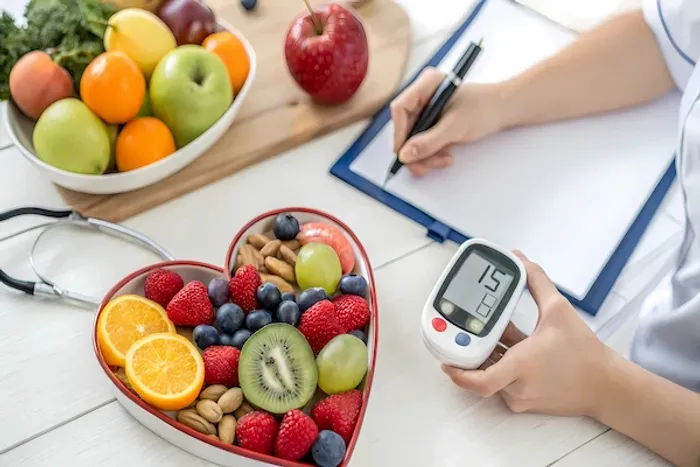
Keeping blood sugar in a healthy range helps you feel better day to day and lowers the risk of long-term complications like heart disease, nerve damage, and vision problems. Alongside regular activity, sleep, stress management, and any prescribed medications, what you eat can make a big difference. This guide highlights 10 simple, accessible foods that support blood sugar control and fit easily into a balanced diabetes diet. Use them to build meals you enjoy, and personalize your plan with your healthcare team.
Top 10 foods for blood sugar control
1) Leafy greens and other non-starchy vegetables
- Why they help: Spinach, kale, arugula, broccoli, cauliflower, Brussels sprouts, peppers, zucchini, and mushrooms are low in carbohydrates and calories but rich in fiber, vitamins, and minerals like magnesium. Fiber slows how quickly sugar enters your bloodstream, helping steady glucose levels.
How to use:
- Fill half your plate with non-starchy veggies at lunch and dinner.
- Add leafy greens to omelets, soups, and smoothies.
- Roast a tray of mixed vegetables to have ready for the week.
2) Beans, lentils, and chickpeas
- Why they help: Legumes provide a powerful combo of fiber and plant protein, which helps you feel full and blunts post-meal glucose spikes. They have a low glycemic index (GI), meaning they raise blood sugar more slowly than many refined carbs.
How to use it?
- Aim for about 1/2 cup cooked as your carbohydrate portion.
- Rinse canned beans to reduce sodium; add to salads, tacos, or soups.
- Try lentil or chickpea pasta for higher fiber and protein.
3) Oats and barley (intact whole grains)
- Why they help: Oats and barley are rich in soluble fiber (beta-glucan), which forms a gel in the gut that slows carbohydrate absorption and improves post-meal glucose responses. They’re more blood-sugar-friendly than refined grains.
How to use:
- Choose steel-cut or old-fashioned oats over instant packets with added sugar.
- Try hulled barley in soups or as a side; portion is typically 1/2–3/4 cup cooked.
- Add cinnamon and berries for flavor without added sugar.
Consult Top Specialists
4) Nuts (almonds, walnuts, pistachios, peanuts)
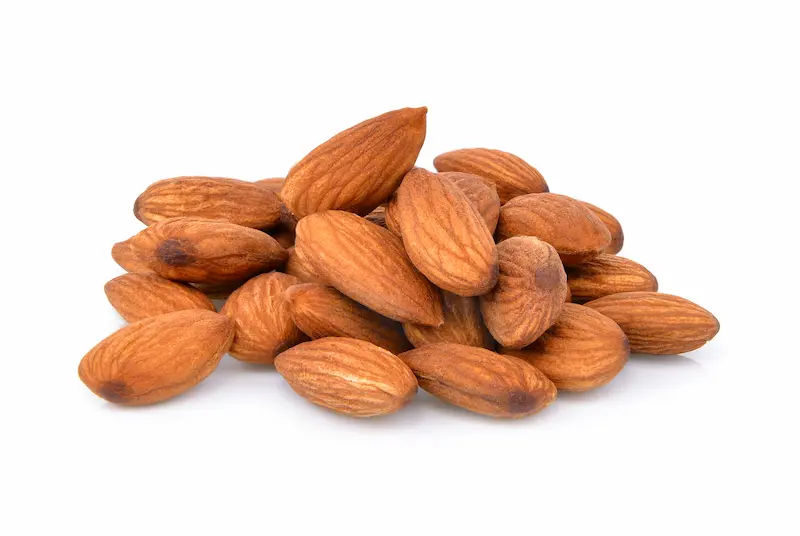
- Why they help: Nuts provide healthy fats, fiber, and minerals like magnesium. When eaten with carbohydrate foods, they can slow digestion and reduce the speed of blood sugar rises after meals.
How to use:
- A typical portion is 1 ounce (about a small handful).
- Snack on unsalted nuts, or sprinkle crushed nuts on yogurt or salads.
- Nut butters (no added sugar) can be paired with fruit or whole-grain toast.
5) Seeds (chia, flax, pumpkin)
- Why they help: Seeds are fiber-dense and contain healthy fats; chia and ground flax are especially high in soluble fiber that helps steady blood sugar. They also add texture and satiety to meals.
How to use:
- Stir 1–2 tablespoons into yogurt or oatmeal.
- Make chia pudding with unsweetened milk and berries.
- Use ground flaxseed (store in the fridge) in smoothies or on salads.
6) Berries (blueberries, strawberries, raspberries, blackberries)
- Why they help: Berries are naturally sweet yet lower in sugar per cup than many fruits, and they’re rich in fiber and polyphenols. Compared with fruit juices, whole berries have a gentler impact on blood sugar.
How to use:
- Enjoy 3/4–1 cup as a snack or dessert.
- Pair with protein (Greek yogurt, cottage cheese) or nuts.
- Add oatmeal or chia pudding instead of syrup.
7) Plain Greek yogurt and other unsweetened fermented dairy
- Why they help: Greek yogurt is higher in protein and lower in lactose than regular yogurt, which can support fullness and a steadier glucose response. Fermented dairy may also support gut health, which is linked to metabolic health.
How to use:
- Choose plain, unsweetened options; add cinnamon and berries for flavor.
- Check the nutrition label for carbohydrate content.
- If lactose sensitive, look for lactose-free or kefir options.
8) Fatty fish (salmon, sardines, mackerel, trout)
- Why they help: Fish contains virtually no carbohydrate, so it won’t raise blood sugar. Fatty fish supply omega-3 fats that support heart health—especially important because diabetes increases cardiovascular risk.
How to use:
- Aim for two servings per week (about 3–4 ounces per serving).
- Choose grilled, baked, or broiled rather than fried.
- Add lemon, herbs, or spice rubs for flavor without added sugar.
9) Avocado and extra-virgin olive oil
- Why they help: These foods are rich in monounsaturated fats, which can improve satiety and, when they replace refined carbohydrates or saturated fats, support better insulin sensitivity and heart health.
How to use:
- Add 1/3 of an avocado to salads or tacos.
- Use 1–2 tablespoons of extra-virgin olive oil for dressings and roasting.
- Pair with high-fiber carbs (like beans or whole grains) to help steady glucose.
10) Flavor-boosters: cinnamon and vinegar (use with care)
- Why they help: Cinnamon and vinegar may modestly improve post-meal blood sugar for some people, but effects vary and they do not replace prescribed treatment. Research on cinnamon is mixed; vinegar (like apple cider or red wine vinegar) before meals may slow carbohydrate digestion.
How to use safely:
- Cinnamon: Sprinkle on oats, yogurt, or coffee; avoid high-dose supplements unless your clinician approves. Ceylon cinnamon is lower in coumarin than Cassia.
- Vinegar: Dilute 1–2 teaspoons in water and use as a salad dressing component with meals. Avoid undiluted vinegar to protect teeth and stomach. If you have gastroparesis or reflux, ask your clinician first.
How to use these foods in a diabetes diet?
Build balanced plates:
- Fill half your plate with non-starchy vegetables.
- Add a quarter plate of lean protein (fish, chicken, tofu, eggs, beans).
- Add a quarter plate of high-fiber carbs (beans/lentils, oats/barley, quinoa, sweet potato, fruit).
- Include a small portion of healthy fats (nuts, seeds, avocado, olive oil).
Smart carb choices:
- Prioritize whole, minimally processed carbohydrate sources with fiber.
- Pair carbs with protein and/or fat to slow digestion.
- Read labels for added sugars; aim for foods with more fiber and less added sugar.
Portions and timing:
- Portions are personal. Many adults start with roughly 30–60 grams of carbohydrate per meal, but your needs may differ—work with your healthcare provider or a registered dietitian.
- Don’t skip meals; steady meal patterns can help prevent large glucose swings.
Everyday tips:
- Keep quick options on hand: canned beans, frozen veggies, plain Greek yogurt, nuts, and berries.
- Hydrate with water, unsweetened tea, or coffee (go easy on sweeteners and creamers).
- A short walk (about 10 minutes) after meals can help reduce post-meal glucose.
- If you take insulin or certain diabetes medications, monitor your blood sugar when making diet changes and ask your clinician about adjustments to avoid lows.
Remember: No single food “fixes” blood sugar. The overall pattern—rich in vegetables, fiber, lean proteins, and healthy fats, and lower in refined carbs and added sugars—matters most for blood sugar control.
Consult Top Specialists
Consult Top Specialists

Ms. Malabika Datta
Dietician
17 Years • Msc. in Dietetics & Food Service Management
Kolkata
Dr Utsa Basu Clinic, Kolkata

(25+ Patients)

Ms. Samapti Maity
Dietician
16 Years • MSc. (Clinical Nutrition & Dietitics), NDEP, Course in Maternal Infant Young Child Nutrition.Diploma in Sports Nutrition, Diploma in Diabetic educator, FODMAP Specialist
Kolkata
BIENETRE CLINIC, Kolkata

Ms. Poushali Ghosh
Dietician
9 Years • Msc in Applied Nutrition
Barasat
Diab-Eat-Ease, Barasat

Ms. Sreeparna Dey Dhara Deb
Dietician
10 Years • DNHE
Bansdroni
Siddhita Healthcare., Bansdroni

Ms. Soma Saha
clinical nutrition
17 Years • B.Sc. - Home Science (Food & Nutrition), M.Sc. - Home Science (Food & Nutrition)
Kolkata
Dr Utsa Basu Clinic, Kolkata
(50+ Patients)
Consult Top Specialists
Ms. Malabika Datta
Dietician
17 Years • Msc. in Dietetics & Food Service Management
Kolkata
Dr Utsa Basu Clinic, Kolkata
(25+ Patients)
Ms. Samapti Maity
Dietician
16 Years • MSc. (Clinical Nutrition & Dietitics), NDEP, Course in Maternal Infant Young Child Nutrition.Diploma in Sports Nutrition, Diploma in Diabetic educator, FODMAP Specialist
Kolkata
BIENETRE CLINIC, Kolkata
Ms. Poushali Ghosh
Dietician
9 Years • Msc in Applied Nutrition
Barasat
Diab-Eat-Ease, Barasat
Ms. Sreeparna Dey Dhara Deb
Dietician
10 Years • DNHE
Bansdroni
Siddhita Healthcare., Bansdroni
Ms. Soma Saha
clinical nutrition
17 Years • B.Sc. - Home Science (Food & Nutrition), M.Sc. - Home Science (Food & Nutrition)
Kolkata
Dr Utsa Basu Clinic, Kolkata
(50+ Patients)
More articles from General Medical Consultation

 Ayurveda Benefits & Uses.webp)

Frequently Asked Questions
Are fruits okay on a diabetes diet?
Yes. Choose whole fruits over juices, watch portions, and pair fruit with protein or fat to steady blood sugar. Berries, apples, pears, and citrus are great options. Avoid dried fruit and fruit juices or use them sparingly because they raise blood sugar faster.
What’s a good breakfast for blood sugar control?
Aim for fiber plus protein. Examples:
- Old-fashioned oats cooked with chia, topped with berries and cinnamon.
- Veggie omelet with a slice of whole-grain toast and avocado.
- Plain Greek yogurt with ground flaxseed and a few nuts.
Do I have to count carbohydrates?
Not always. Some people do well with the “plate method,” while others prefer carb counting or focusing on lower-GI choices. The best approach is the one you can stick with long-term—ask a registered dietitian or diabetes educator to help tailor it.
Can I still eat rice, pasta, or bread?
Yes, in mindful portions. Choose whole-grain or higher-fiber versions (like barley, quinoa, whole-grain pasta, or sprouted-grain bread), measure portions, and pair with vegetables, protein, and healthy fats to blunt glucose spikes.
Can cinnamon, vinegar, or other supplements replace my diabetes medication?
No. Some foods and spices may have small effects, but they don’t replace prescribed treatment. Always talk to your healthcare provider before starting supplements; some can interact with medications or have side effects.