


Best Winter Diet Plan: Top Health Tips for the Season
Your best winter diet plan and winter health tips: warm, balanced meals, hydration, and science-backed immunity foods to stay energized.

Introduction
Shorter days, colder weather, and drier air can change how you feel and what your body needs. Many people spend more time indoors in winter, respiratory viruses circulate more, and sunlight exposure drops. A thoughtful winter diet plan, paired with practical winter health tips, can help you stay energized, comfortable, and resilient. This guide shares simple food strategies and immunity foods, nutrient-dense choices that support your body’s natural defenses, so you can feel your best all season.
What Changes in Winter, And What Your Body Needs?
During the colder months, several environmental and lifestyle factors shift, requiring adjustments to your daily routine to support optimal health and well-being.
- Less Sunlight: Sunlight helps your body manufacture Vitamin D. In winter, levels can dip, so it’s helpful to include Vitamin D–rich foods (like fatty fish and fortified dairy or plant milks). Some people may also benefit from a supplement after discussing it with a clinician.
- Drier Air: Low humidity can dry out your skin and airways. Hydration and warm fluids help keep you comfortable and support overall health.
- Different Activity and Appetite: Cold weather can change routines and cravings. Planning balanced, warming meals keeps energy steady and supports a healthy immune system.
Winter Diet Plan: Build a Warm, Balanced Plate
To maintain energy and support immunity, aim for meals that are warm, home-cooked, and provide a mix of key macronutrients.
Aim for a mix of protein, fibre-rich carbohydrates, and healthy fats at each meal. Warm, home-cooked dishes are perfect for packing in nutrients.
Proteins to Power Your Day
Protein provides the essential building blocks for your body and immune system, as well as contributing to satiety.
• Fish (especially salmon, sardines, trout), chicken, turkey
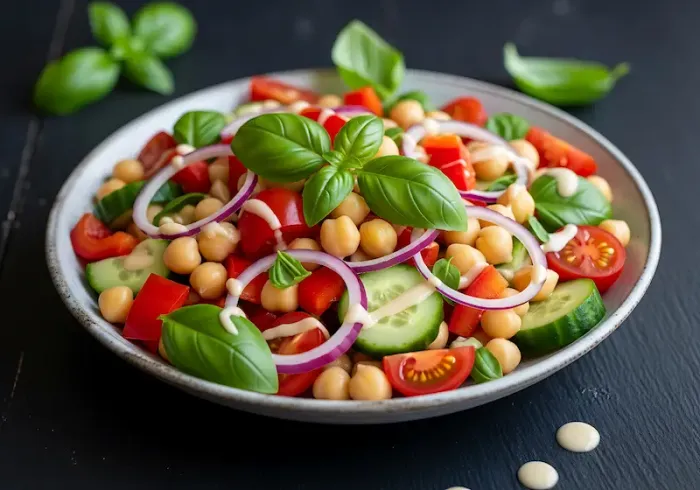
• Beans, lentils, chickpeas, tofu, tempeh
• Eggs and yogurt with live cultures
• Why it matters: Protein provides building blocks for immune cells and helps you stay satisfied.
Fibre-Rich Carbohydrates for Steady Energy
Choosing carbohydrates rich in fibre is vital for maintaining stable blood sugar and good digestive health.
• Oats, quinoa, brown rice, whole-wheat pasta, and bread
• Sweet potatoes, winter squash
• Beans and lentils
• Fruits and vegetables (fresh or frozen)
• Why it matters: Fibre supports gut health and a stable energy supply.
Healthy Fats for Fullness and Nutrient Absorption
Healthy fats are essential for feeling full and for the absorption of vital fat-soluble vitamins.
• Nuts (almonds, walnuts), seeds (pumpkin, sunflower, chia, flax)
• Avocado
• Olive oil and other unsaturated oils
• Why it matters: Healthy fats aid the absorption of vitamins A, D, E, and K and help you feel satisfied.
Hydration That Warms You Up
Staying properly hydrated is important, and warm drinks and soups are a comforting way to achieve this in winter.
• Water, sparkling water, and unsweetened herbal or green tea
• Broth-based soups and stews for fluid plus electrolytes
• Limit sugary drinks and keep alcohol moderate, as both can dehydrate
Immunity Foods to Put on Your List
A robust immune system is built on a foundation of overall healthy eating, with certain nutrient-rich foods offering additional support.
A strong immune system relies on overall dietary patterns, not “magic” foods. Still, these nutrient-rich choices can help cover key vitamins, minerals, and antioxidants:
- Citrus, kiwi, and berries: High in Vitamin C, which supports normal immune function. Frozen berries are great when fresh options are pricey.
- Bell peppers and broccoli: Excellent sources of Vitamin C and other antioxidants.
- Dark leafy greens (spinach, kale, Swiss chard) and orange vegetables (carrots, sweet potatoes, pumpkin): Provide vitamins A and folate, important for skin and mucosal barriers.
- Garlic and onions: Flavourful alliums that contribute beneficial compounds and make healthy meals more satisfying.
- Ginger and turmeric: Warming spices that can add flavour and may have anti-inflammatory properties when used as part of a balanced diet.
- Yogurt and kefir with live cultures, plus fermented vegetables (sauerkraut, kimchi): Provide probiotics that support a healthy gut, which interacts closely with immune function.
- Mushrooms: Add selenium and other nutrients; mushrooms exposed to UV light can provide Vitamin D.
- Nuts and seeds: Sources of Vitamin E, zinc, and healthy fats.
- Beans and lentils: Plant protein, fibre, iron, and zinc.
- Fatty fish (salmon, sardines, mackerel): Provide Vitamin D and omega-3 fats.
Smart Supplementation in Winter
While consuming whole foods is the best strategy, winter often necessitates a review of certain supplements, particularly Vitamin D.
Food first is a good rule, but winter is when some people consider supplements:
- Vitamin D: Because sunlight is limited, many adults benefit from checking their Vitamin D status with their clinician. Avoid high doses unless advised by a clinician.
- Vitamin C and Zinc: Getting these nutrients from food is a safe bet. Supplements may slightly shorten the duration of a cold if taken early, but they do not reliably prevent illness. If you use zinc lozenges, start within 24 hours of symptoms and avoid intranasal zinc. Do not exceed recommended doses.
- Probiotics: Some people use probiotic supplements, but many can get live cultures from foods like yogurt and kefir. If you’re considering supplements, choose evidence-based strains and talk with a healthcare professional, especially if you have underlying conditions.
Consult a Top General Physician
Winter Health Tips Beyond the Plate
Dietary choices are important, but several other daily habits contribute significantly to winter wellness.
Diet matters, but other habits make a big difference in winter:
- Stay Up to Date on Vaccines: Seasonal flu and COVID-19 vaccines reduce the risk of severe illness. This is one of the most effective winter health tips for protecting yourself and others.
- Wash Hands Often: Use soap and water for at least 20 seconds. Hand hygiene helps reduce the spread of respiratory viruses.
- Prioritise Sleep: Most adults benefit from 7-9 hours. Sleep supports immune function and mood.
- Keep Moving: Aim for regular physical activity each week. Indoor options (home workouts, brisk walking in shopping centres or gyms) work well when it’s icy outside.
- Manage Stress: Gentle practices like stretching, breathing exercises, or a short daily walk can help keep stress in check, which supports immune health.
- Humidify Wisely: If indoor air is very dry, a clean, well-maintained humidifier can improve comfort. Follow device instructions to prevent mould or bacterial growth.
- Get Daylight When You Can: Short outdoor breaks can boost mood and help maintain a healthy routine.
A Simple Day on Your Winter Diet Plan
This sample menu offers a practical template; always feel free to adjust it based on your preferences, culture, and budget.
Use this as inspiration and adjust for your preferences, culture, and budget.
- Breakfast: Oatmeal cooked with milk or fortified plant milk; stir in cinnamon, walnuts, and frozen berries. Green or herbal tea.
- Snack: Clementine or kiwi plus a handful of pumpkin seeds.
- Lunch: Lentil and vegetable soup with carrots, kale, and tomatoes; a slice of whole-grain toast with olive oil and garlic.
- Snack: Yogurt with live cultures, topped with chopped pear.
- Dinner: Baked salmon (or tofu) with roasted Brussels sprouts and sweet potato; side salad with lemon-olive oil dressing.
- Evening Sip: Warm ginger tea or lemon water.
Budget- and Time-Friendly Tips
Maintaining a healthy winter diet doesn't have to be expensive or time-consuming if you shop and plan smartly.
• Choose Frozen Produce: It’s often cheaper and just as nutritious as fresh.
• Buy Canned Beans and Fish: Look for low-sodium beans and water-packed tuna/sardines; rinse beans to reduce sodium.
• Batch-Cook Soups and Stews: Freeze portions for quick meals later in the week.
• Use a Slow Cooker or Pressure Cooker: Makes hearty, healthy meals with minimal effort.
• Flavour Smart: Garlic, onions, herbs, citrus zest, and spices make vegetables and whole grains crave-worthy.
Common Pitfalls to Avoid
Be aware of these common mistakes that can undermine your efforts to stay healthy during the winter months.
• Skipping Fluids: Even if you’re not thirsty, keep a water bottle handy and enjoy warm, unsweetened drinks.
• Relying on Refined Snacks: Keep nuts, fruit, and yogurt nearby so you’re not reaching for ultra-processed snacks.
• Overdoing Sodium: Canned soups and broths can be salty. Choose low-sodium options or dilute with water and add extra vegetables.
• Excess Alcohol: It can disrupt sleep and hydration. If you drink, do so in moderation.
• Taking High-Dose Supplements Without Guidance: More isn’t always better. Check with a clinician, especially if you take medications or have conditions like kidney disease.Consult a Top General Physician
Consult a Top General Physician

Dr. Rajib Ghose
General Physician/ Internal Medicine Specialist
25 Years • MBBS
East Midnapore
VIVEKANANDA SEBA SADAN, East Midnapore

Dr. Anand Ravi
General Physician
2 Years • MBBS, FEM
Bengaluru
PRESTIGE SHANTHINIKETAN - SOCIETY CLINIC, Bengaluru

Dr. Abhishek Ranjan
General Practitioner
4 Years • MBBS
Kolkata
VDC Clinic, Kolkata

Dr. Sougata Kumar
General Practitioner
9 Years • MBBS
East Midnapore
VIVEKANANDA SEBA SADAN, East Midnapore

Dr P Sai Avinash
General Physician/ Internal Medicine Specialist
7 Years • MBBS
Bengaluru
Apollo Medical Center, Marathahalli, Bengaluru
Consult a Top General Physician
Dr. Rajib Ghose
General Physician/ Internal Medicine Specialist
25 Years • MBBS
East Midnapore
VIVEKANANDA SEBA SADAN, East Midnapore
Dr. Anand Ravi
General Physician
2 Years • MBBS, FEM
Bengaluru
PRESTIGE SHANTHINIKETAN - SOCIETY CLINIC, Bengaluru
Dr. Abhishek Ranjan
General Practitioner
4 Years • MBBS
Kolkata
VDC Clinic, Kolkata
Dr. Sougata Kumar
General Practitioner
9 Years • MBBS
East Midnapore
VIVEKANANDA SEBA SADAN, East Midnapore
Dr P Sai Avinash
General Physician/ Internal Medicine Specialist
7 Years • MBBS
Bengaluru
Apollo Medical Center, Marathahalli, Bengaluru
More articles from General Medical Consultation




Frequently Asked Questions
1. What are the best immunity foods for winter?
Immunity foods are nutrient-rich choices that support your body’s defenses. Good options include citrus and berries (vitamin C), dark leafy greens and orange vegetables (vitamin A and folate), yogurt or kefir with live cultures (probiotics), beans and lentils (protein, zinc, iron), nuts and seeds (vitamin E and healthy fats), mushrooms (selenium; some provide vitamin D), and fatty fish like salmon or sardines (vitamin D and omega-3s).
2. Do vitamin C or zinc prevent colds?
They don’t reliably prevent colds. Some studies suggest vitamin C or zinc may slightly shorten a cold’s duration if started early, but results vary. Focus on a balanced diet, hand hygiene, sleep, and vaccines. If you try zinc lozenges, avoid intranasal zinc and don’t exceed recommended doses.
3. How much vitamin D do I need in winter?
Many adults need around 600–800 IU (15–20 mcg) daily, but individual needs vary by age, skin tone, location, sun exposure, and health conditions. Your clinician may recommend a blood test and a personalized dose. Don’t take high doses without medical advice.
4. How can I stay hydrated when it’s cold?
Sip water regularly, and include warm options like herbal tea or broth-based soups. Eat hydrating foods (citrus, apples, pears, soups, yogurt). Keep alcohol and sugary drinks moderate, as they can dehydrate.
5. Are soups and stews healthy?
Yes, if you focus on broth-based recipes filled with vegetables, beans, lentils, whole grains, and lean proteins. Choose low-sodium broth or dilute canned soups, and season with herbs, spices, garlic, and a splash of lemon for flavour.