



Betel Leaves Ayurvedic Uses, Benefits, and Side Effects
Discover betel leaves benefits, Ayurvedic uses, safety, and side effects. Learn how this ayurvedic herb may support digestion—plus what to avoid.

Written by Dr. Md Yusuf Shareef
Reviewed by Dr. Rohinipriyanka Pondugula MBBS
Last updated on 12th Feb, 2026
Introduction
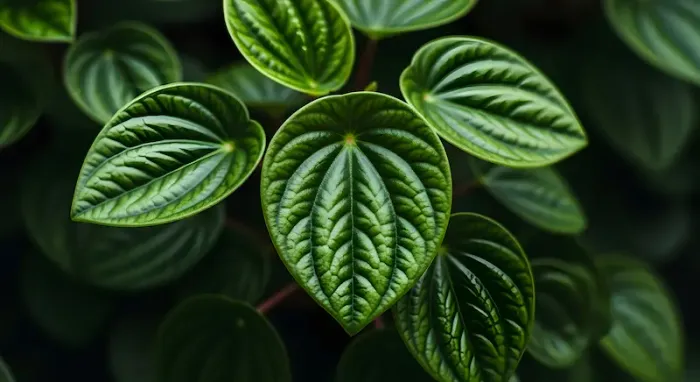
If you’ve ever seen a glossy green leaf wrapped around aromatic spices in South Asian markets or festive ceremonies, you’ve likely met the betel leaf. Long celebrated among ayurvedic herbs, betel leaves (Piper betle) are used traditionally for oral freshness, ritual offerings, and home remedies—especially for digestion after meals. But there’s also confusion and concern: many people mix up betel leaf with betel nut (areca nut), and chewing betel quid with areca nut and tobacco is linked to serious health risks.
In this guide, we’ll unpack what the science and reputable health organizations say about betel leaves benefits, how they’re used in Ayurveda, and how to stay safe. You’ll find practical tips, a clear look at side effects, and answers to common questions so you can make informed choices.
What Are Betel Leaves?
• Botanical name: Piper betle
• Family: Piperaceae (pepper family)
• Common names: Betel leaf, Paan leaf (not to be confused with “betel nut,” which is areca nut)
• Culinary and cultural uses: Used to wrap spices or sweet fillings, serve as a mouth freshener, and in some regional cuisines for flavoring and presentation.
Important safety note: Most of the well-known health risks associated with “betel chewing” come from areca nuts and often tobacco in betel quid—not from the leaf itself. Global health agencies classify areca nut and betel quid (with or without tobacco) as carcinogenic. If you use betel leaves, do not combine them with areca nut, slaked lime, or tobacco.
Betel Leaves in Ayurveda: Traditional Uses and Context
In Ayurveda, betel leaves are valued among ayurvedic herbs for:
• Post-meal freshness and support for digestion
• Cultural and ceremonial use
• Occasional topical use in traditional practice (e.g., poultices), though this can irritate sensitive skin
While these traditional uses are widespread, it’s important to distinguish tradition from evidence. Modern clinical research in humans on betel leaves alone is limited. Any health claims should be considered preliminary unless supported by high-quality studies. Always talk with a healthcare professional before using herbs for health conditions.
Consult a Top General Physician
Potential Betel Leaves Benefits: What the Science Suggests?
Research on betel leaves spans lab experiments and some animal studies, with very limited human trials. Here’s what we know—and don’t know—so far.
1) Oral Freshness and Oral Microbes
• What we know: The aromatic oils in betel leaves have shown antibacterial activity in laboratory settings against certain oral microbes. This may help explain traditional use for breath freshening.
• What we don’t know: Evidence from human clinical studies confirming improved oral health outcomes from chewing betel leaf alone is limited.
• Safety context: Chewing betel quid (betel leaf plus areca nut and often tobacco) is strongly linked to oral cancers and other oral diseases. If you choose to chew betel leaves, avoid areca nuts and tobacco completely.
2) Digestion Support
• What we know: In many cultures, a small piece of betel leaf is chewed after meals. Chewing increases saliva flow, which can help begin the digestive process in the mouth and may feel soothing after heavy meals. Traditional practice considers betel leaf mildly carminative (gas-relieving), though this is based on historical use rather than large clinical trials.
• What we don’t know: There is no robust human evidence showing that betel leaves significantly improve digestion, reduce bloating, or treat digestive diseases. If you have persistent digestive symptoms, see a clinician.
3) Antioxidant and Anti-Inflammatory Potential
• What we know: Extracts of betel leaves have antioxidant activity in laboratory studies, which means they can neutralize certain free radicals in test systems.
• What we don’t know: Lab results do not equal proven benefits in people. There’s insufficient clinical evidence to claim disease prevention or treatment effects.
4) Skin and Wound Applications (Traditional)
• What we know: Historically, betel leaves have been used topically in some regions. The leaf’s oils can be antimicrobial in lab studies.
• What we don’t know: Safety and efficacy for topical use aren’t well established. Essential oils and concentrated extracts can irritate or burn the skin. Avoid using undiluted oils.
5) Metabolic Effects
• What we know: Early laboratory and animal research explores potential effects on blood sugar or lipids.
• What we don’t know: There is no high-quality human evidence to recommend betel leaves for blood sugar control, cholesterol, or heart health.
Bottom line: Betel leaves benefits are mostly supported by tradition and early-stage research. Use them as a food or occasional mouth freshener, not as a substitute for medical care.
Betel Leaf vs. Betel Nut (Areca Nut): Know the Difference
• Betel leaf: The green leaf of the Piper betle plant.
• Areca nut (often called “betel nut”): The seed of the Areca catechu palm.
• Betel quid: A preparation that often includes betel leaf, areca nut, slaked lime, and sometimes tobacco and flavorings.
Health risks:
• Areca nut and betel quid (with or without tobacco) are carcinogenic and associated with oral and esophageal cancers, oral submucous fibrosis, gum disease, tooth decay, and addiction.
• The leaf itself is not classified as a carcinogen, but the way it’s often used (with areca nut and tobacco) is dangerous. Avoid areca nuts, slaked lime, and tobacco altogether.
How to Use Betel Leaves Safely?
If you enjoy the flavor or cultural practice of betel leaves, here are ways to prioritize safety.
Simple Culinary Uses
• As a garnish or wrap: Use clean, fresh leaves to wrap aromatic fillings like fennel, coconut, or spices—for an occasional after-meal treat.
• Herbal infusion: Rinse a fresh leaf, tear it, and steep briefly in hot water to make a light herbal tea. This offers aroma without chewing.
• Chutneys and relishes: In small amounts, finely chopped betel leaf can add a peppery note to certain regional recipes.
Best Practices
• Wash thoroughly: Rinse leaves under running water and pat dry.
• Keep it simple: Avoid adding areca nut, slaked lime, or tobacco. These are the main sources of harm.
• Moderate amounts: There is no established medical dosage. Culinary amounts used occasionally are considered more prudent than daily heavy use.
• Watch your mouth: If you develop mouth sores, irritation, or sensitivity, stop using and consult a clinician.
Who Should Avoid or Be Extra Cautious?
Pregnancy and breastfeeding: Safety of medicinal amounts is not established. Avoid using betel leaves as a remedy during pregnancy or lactation without medical advice. Never chew areca nuts or tobacco.
• Children and teens: Avoid using betel leaves as a medicinal remedy in minors. Never expose them to areca nut or tobacco.
• Oral lesions or conditions: If you have oral ulcers, precancerous lesions, oral submucous fibrosis, or a history of oral cancer, avoid any form of betel chewing and discuss all herbal use with your dentist or physician.
• Sensitive skin: Avoid topical use of concentrated betel leaf oils; they can irritate or burn the skin.
• Chronic conditions and medications: Because clinical evidence is limited, speak with your healthcare provider before regular use, especially if you take prescription medicines.
Possible Side Effects of Betel Leaves (Without Areca Nut or Tobacco)
• Mouth or throat irritation: Some people may experience sensitivity to the leaf’s aromatic compounds.
• Skin irritation (topical use): Essential oils or concentrated extracts can cause dermatitis or burning; do not use undiluted skin.
• Allergic reactions: Rare, but possible (e.g., rash, itching, swelling). Stop use and seek medical help if symptoms occur.
• Taste changes or stomach upset: Chewing aromatic leaves can occasionally cause mild nausea in sensitive individuals.
Drug Interactions: Documented drug interactions specific to betel leaf are not well established. However, due to limited data, use caution and consult your clinician if you take prescription medications, especially if you plan to use betel leaves regularly rather than as an occasional food.
Special Focus: Digestion and Practical Tips
Many people are curious about betel leaves and digestion. Here’s a balanced view:
• Why some people feel better: Chewing increases saliva, and pleasant aromas may make a heavy meal feel more “settled.” Traditional practice sometimes pairs betel leaves with fennel, cardamom, or coconut, which can also be soothing.
• Keep it light: If you want to try betel leaves for after-meal comfort, use a small, clean leaf and avoid irritating additives. Don’t add slaked lime or areca nuts.
• Don’t self-treat persistent symptoms: For ongoing heartburn, bloating, pain, or changes in bowel habits, see a healthcare professional. Conditions like GERD, ulcers, celiac disease, IBS, or gallbladder disease need proper diagnosis and treatment.
How to Choose and Store Betel Leaves?
• Selection: Look for vibrant, glossy leaves without tears, wilt, or dark spots.
• Storage: Rinse gently, pat dry, wrap in a slightly damp paper towel, and place in an unsealed bag or container in the refrigerator. Use within 3–7 days.
• Food safety: Treat the leaf like other fresh herbs—wash before use and avoid cross-contamination.
Consult a Top General Physician
Consult a Top General Physician

Dr Aakash Andgi
General Physician/ Internal Medicine Specialist
9 Years • MBBS MD
Bengaluru
Apollo Clinic, JP nagar, Bengaluru

Dr. Harshendra Jaiswal
General Physician/ Internal Medicine Specialist
12 Years • MBBS , MD (General medicine)
Kolkata
108 DHANA DHANVANTARI Clinic, Kolkata

(25+ Patients)

Dr. Zulkarnain
General Physician/ Internal Medicine Specialist
8 Years • MBBS, Fellowship in Family Medicine
Bengaluru
Apollo Clinic, Indiranagar, Bengaluru
(25+ Patients)

Dr. Divyashree K
General Physician/ Internal Medicine Specialist
5 Years • MBBS
Bengaluru
Apollo Clinic, JP nagar, Bengaluru

Dr. Vignesh
General Physician/ Internal Medicine Specialist
5 Years • M.B.B.S
Chennai
Apollo Clinic, Velachery, Chennai
Consult a Top General Physician
Dr Aakash Andgi
General Physician/ Internal Medicine Specialist
9 Years • MBBS MD
Bengaluru
Apollo Clinic, JP nagar, Bengaluru
Dr. Harshendra Jaiswal
General Physician/ Internal Medicine Specialist
12 Years • MBBS , MD (General medicine)
Kolkata
108 DHANA DHANVANTARI Clinic, Kolkata
(25+ Patients)
Dr. Zulkarnain
General Physician/ Internal Medicine Specialist
8 Years • MBBS, Fellowship in Family Medicine
Bengaluru
Apollo Clinic, Indiranagar, Bengaluru
(25+ Patients)
Dr. Divyashree K
General Physician/ Internal Medicine Specialist
5 Years • MBBS
Bengaluru
Apollo Clinic, JP nagar, Bengaluru
Dr. Vignesh
General Physician/ Internal Medicine Specialist
5 Years • M.B.B.S
Chennai
Apollo Clinic, Velachery, Chennai
More articles from General Medical Consultation




Frequently Asked Questions
1) Is it safe to chew betel leaves daily?
Chewing a plain betel leaf (without areca nut, slaked lime, or tobacco) on occasion is likely low risk for most healthy adults, but long-term daily safety isn’t well studied. If you choose to use betel leaves, keep it occasional, keep it plain, and stop if you notice mouth irritation.
2) Are betel leaves good for digestion?
Betel leaves are traditionally used after meals among ayurvedic herbs, and chewing increases saliva, which starts digestion in the mouth. However, strong human evidence is lacking. For persistent digestive issues, consult your clinician rather than relying on herbs.
3) Can pregnant or breastfeeding women use betel leaves?
There isn’t enough reliable safety data for medicinal use during pregnancy or breastfeeding. Avoid betel leaves as a remedy and never use areca nut or tobacco. Talk with your obstetrician or midwife about safe options for symptoms like nausea or heartburn.
4) What’s the difference between betel leaf and betel nut?
Betel leaf comes from the Piper betle plant. Betel nut (areca nut) is the seed of the Areca catechu palm. Betel quid often combines the leaf with areca nut, slaked lime, and sometimes tobacco. Areca nut and betel quid (with or without tobacco) are linked to oral cancers and other serious health problems. The leaf alone is not the main driver of these risks, but avoid the harmful additives entirely.
5) How can I use betel leaves without the risks linked to betel quid?
• Use only the leaf, washed and plain.
• Enjoy occasionally as a culinary herb or light infusion.
• Do not add areca nut, slaked lime, or tobacco.
• Stop if you experience irritation, and see a clinician for any persistent mouth or digestive symptoms.