


Black Pepper Health Benefits, Home Remedies, and Recipes
Discover black pepper benefits, easy home remedies, and healthy recipes. Learn how this everyday spice may support digestion and boost flavor with less salt.

Written by Dr. M L Ezhilarasan
Reviewed by Dr. Shaik Abdul Kalam MD (Physician)
Last updated on 13th Jan, 2026
Introduction
Black pepper is one of the world’s most widely used seasonings—and it’s more than a table topper. People often ask about black pepper benefits and how to use spices for health without overcomplicating their meals. While no single spice is a cure-all, pepper can add flavor that helps you eat better overall and may offer small health perks, especially for digestion. In this guide, you’ll learn what the science says, how to use black pepper safely, simple home remedies people try, and tasty, healthy recipes.
What is black pepper?
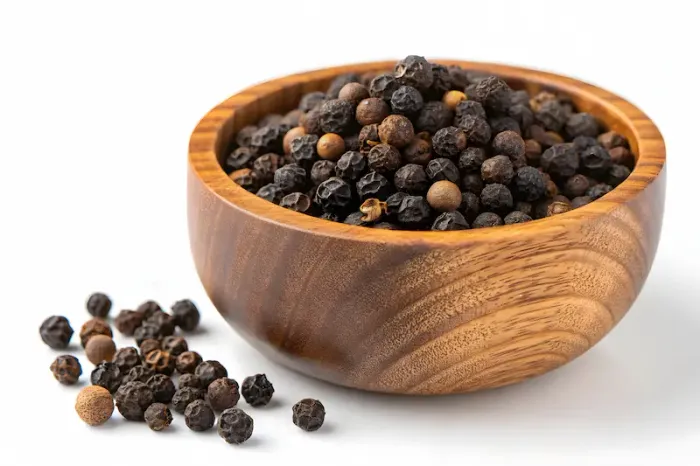
Black pepper (Piper nigrum) comes from dried berries called peppercorns. Its signature kick comes from a natural compound called piperine. For centuries, cooks have used black pepper to make food more flavorful. Today, it’s also studied for its antioxidant properties and for how piperine may influence the absorption of certain nutrients.
Black pepper benefits: What the research really says?
Antioxidants and overall wellness
• Many herbs and spices, including black pepper, contain plant compounds with antioxidant activity. Antioxidants help protect cells from oxidative stress, a process tied to aging and many chronic conditions.
• This doesn’t mean black pepper prevents disease by itself. Instead, think of it as one piece of a healthy eating pattern that emphasizes plants, whole grains, healthy fats, and lean proteins.
Digestion and comfort
• The aroma and heat of black pepper can make meals more appetizing, which may help some people enjoy fiber-rich foods (vegetables, legumes, whole grains) that naturally support digestion.
• Traditional use suggests pepper may stimulate digestive secretions, but strong human studies are limited. If you have acid reflux (GERD) or a sensitive stomach, spicy foods—including pepper—can aggravate symptoms in some people. Listen to your body and adjust.
Better absorption with turmeric (curcumin)
• Piperine from black pepper can increase the absorption of curcumin (the key compound in turmeric) when the two are consumed together. This is why recipes like “golden milk” or turmeric tea often include a pinch of pepper.
• Important: This absorption effect can also influence how the body handles certain medicines or supplements. Culinary amounts are generally considered safe for most people, but high-dose piperine supplements are not advised without medical guidance.
Flavor with less salt
• A practical health benefit of black pepper is its ability to boost flavor so you can rely less on salt. Reducing excess sodium is linked with better heart health. Using spices for health—including pepper, herbs, garlic, citrus, and vinegar—helps make lower-salt meals satisfying.
Metabolic health and weight
• Early lab and animal studies explore whether piperine might affect pathways related to blood sugar or fat metabolism. Human evidence is limited and not conclusive. If weight or blood sugar is a goal, focus on overall dietary pattern, physical activity, sleep, and medical advice rather than any single spice.
Consult a Top Ayurveda Specialist for Personalised Advice
How to use black pepper for health in everyday cooking?
• Grind fresh: Whole peppercorns and a grinder bring brighter flavor than preground pepper, which can lose aroma over time.
• Layer flavor: Add pepper during cooking for warmth, and finish with a fresh crack for a fragrant lift.
• Pair with plants: Use pepper to season vegetables, legumes, and whole grains to make nutrient-dense foods more appealing.
• Use with turmeric: When you cook with turmeric, add a pinch of black pepper to help curcumin absorption.
• Swap for salt: Try pepper before reaching for the salt shaker. Add lemon juice, garlic, and herbs to build flavor without sodium.
Home remedies with black pepper (what’s traditional vs. what we know)
Many people use simple kitchen remedies when they feel under the weather. Scientific support for black pepper in home remedies is limited, but these ideas are generally safe for most healthy adults. If you have a medical condition, take medications, are pregnant, or plan to give remedies to a child, check with a healthcare professional first.
Soothing honey-lemon-ginger drink with a pinch of pepper
• What it’s for: Comfort for a scratchy throat or mild cough.
• How to make: Steep sliced fresh ginger in hot water 5–10 minutes. Add lemon juice and 1–2 teaspoons of honey. Finish with a tiny pinch of freshly ground black pepper.
• What we know: Honey has some evidence for easing cough in older children and adults. The pepper adds warmth and flavor; evidence for pepper itself in cough relief is limited.Pepper-turmeric “golden” milk (dairy or dairy-free)
• What it’s for: A calming evening drink with turmeric; the pepper may help curcumin absorption.
• How to make: Warm milk (or fortified plant milk) with 1/2 teaspoon turmeric, a small pinch of black pepper, a crack of cinnamon, and optional honey to taste.
Pepper-garlic broth
• What it’s for: A light, savory broth to sip when you want something simple.
• How to make: Simmer low-sodium vegetable or chicken broth with smashed garlic, carrot, and celery for 15 minutes; finish with fresh black pepper and a squeeze of lemon.
Note: If you have reflux or a sensitive stomach, start with very small amounts of pepper or skip it if it bothers you.
Simple, healthy recipes featuring black pepper
Lemon–black pepper roasted vegetables
Serves 4
Ingredients:
• 6 cups mixed vegetables (broccoli florets, cauliflower, carrots, Brussels sprouts)
• 2 tablespoons extra-virgin olive oil
• 1 teaspoon freshly ground black pepper
• 1/2 teaspoon kosher salt
• Zest and juice of 1 lemon
• 2 cloves garlic, minced (optional)
Directions:
1) Heat oven to 425°F (220°C). Line a sheet pan.
2) Toss vegetables with oil, pepper, salt, lemon zest, and garlic.
3) Roast 20–25 minutes, stirring once, until tender and lightly browned.
4) Finish with lemon juice and an extra crack of pepper. Serve hot.
Why it’s good: Fiber-rich veggies support digestion; pepper and lemon boost flavor so you can keep salt modest.
Peppery lentil soup with greens
Serves 4–6
Ingredients:
• 1 tablespoon olive oil
• 1 onion, diced; 2 carrots, diced; 2 celery stalks, diced
• 3 cloves garlic, minced
• 1 cup dried brown or green lentils, rinsed
• 6 cups low-sodium vegetable or chicken broth
• 1 teaspoon freshly ground black pepper (plus more to finish)
• 1 teaspoon ground turmeric (optional) + pinch black pepper
• 4 cups chopped spinach or kale
• 1/2 teaspoon salt, or to taste
• Lemon wedges, to serve
Directions:
1) Sauté onion, carrots, and celery in oil 5–7 minutes. Add garlic; cook for 30 seconds.
2) Stir in lentils, broth, pepper, turmeric (if using). Bring to a boil; reduce heat and simmer for 25–30 minutes until lentils are tender.
3) Stir in greens; simmer for 3–5 minutes. Season with salt and more pepper. Serve with lemon.
Why it’s good: Lentils bring fiber and plant protein for steady energy and digestive health. Pepper adds warmth and can help you use less salt.
Black pepper–herb grilled chicken or tofu
Serves 4
Ingredients:
• 1 1/2 pounds chicken breasts or extra-firm tofu (pressed and sliced)
• 2 tablespoons olive oil
• 1 tablespoon lemon juice
• 1 1/2 teaspoons freshly ground black pepper
• 1 teaspoon garlic powder
• 1 teaspoon dried oregano or thyme
• 1/2 teaspoon salt
Directions:
1) Whisk oil, lemon, pepper, garlic, herbs, and salt. Coat chicken or tofu; marinate 20–30 minutes.
2) Grill or pan-sear over medium heat (chicken to 165°F/74°C; tofu until browned). Rest briefly; slice and serve over a salad or whole grains.
Why it’s good: Bold pepper and herbs add big flavor with minimal salt and simple ingredients.
Safety, side effects, and who should be careful
• Culinary amounts are generally safe for most people.
• Stomach sensitivity: Black pepper can worsen heartburn or stomach discomfort for some, especially if you have GERD. Adjust to your tolerance.
• Medication interactions: Piperine can affect how the body processes certain medicines and supplements by influencing enzymes and transporters. Culinary use is typically modest, but avoid high-dose piperine supplements and check with your clinician or pharmacist if you take prescription medications.
• Allergies and skin/eye irritation: Avoid getting pepper dust in your eyes or inhaling it; it can cause irritation or coughing. Rarely, people may be sensitive to spices.
• Pregnancy and breastfeeding: Usual food amounts are considered safe. Do not use medicinal doses or piperine supplements unless your healthcare provider agrees.
• Children: Small amounts in food are generally fine once a child is eating family meals, but avoid very spicy foods if they cause discomfort. Do not give honey to children under 1 year old.
Consult a Top Ayurveda Specialist for Personalised Advice
Consult a Top Ayurveda Specialist for Personalised Advice

Dr. Anjan Das
Ayurveda Practitioner
8 Years • Ayurvedacharya ( B.A.M.S )
Dumdum
Vedhive Ayurveda Clinic, Dumdum

Dr. Shiv Prakash Singh
Ayurveda Practitioner
19 Years • BAMS
Kolkata
Vedhive Ayurveda College Street, Kolkata

(50+ Patients)

Dr. Rik Sadhukhan
Ayurveda Practitioner
8 Years • BAMS
Kolkata
Vedhive Ayurveda, Ballygunge, Kolkata
Consult a Top Ayurveda Specialist for Personalised Advice
Dr. Anjan Das
Ayurveda Practitioner
8 Years • Ayurvedacharya ( B.A.M.S )
Dumdum
Vedhive Ayurveda Clinic, Dumdum
Dr. Shiv Prakash Singh
Ayurveda Practitioner
19 Years • BAMS
Kolkata
Vedhive Ayurveda College Street, Kolkata
(50+ Patients)
Dr. Rik Sadhukhan
Ayurveda Practitioner
8 Years • BAMS
Kolkata
Vedhive Ayurveda, Ballygunge, Kolkata
More articles from General Medical Consultation


.webp)
Frequently Asked Questions
Q1: Is black pepper good for digestion?
It can make high-fiber foods more appealing and may support a balanced diet that’s good for digestion. Some traditional practices suggest pepper stimulates digestive secretions, but strong human evidence is limited. If pepper triggers heartburn or discomfort, reduce or avoid it.
Q2: How much black pepper is safe to eat daily?
There is no official daily allowance. Using black pepper in normal cooking—sprinkled on meals or used in recipes—is generally safe for most people. If you’re considering supplements containing piperine, talk to a healthcare professional first.
Q3: Does black pepper help you absorb turmeric?
Yes. Piperine in black pepper can increase the absorption of curcumin (from turmeric). A pinch of pepper with turmeric in food or beverages is a practical way to pair them. People on medications should avoid high-dose piperine supplements without medical guidance.
Q4: Can black pepper help with weight loss?
No spice alone causes weight loss. Early research looks at piperine’s effects in lab or animal models, but human evidence is not strong. Sustainable weight management comes from overall diet quality, physical activity, sleep, and medical care when needed.
Q5: Are there people who should avoid black pepper?
Anyone with GERD or a sensitive stomach may find pepper aggravates symptoms. People on certain medications should avoid high-dose piperine supplements. In culinary amounts, pepper is typically fine; when in doubt, ask your clinician or pharmacist.