

Brahmi Health Benefits, Uses, and Brain-Boosting Effects
Curious about brahmi benefits? Learn how this Ayurvedic herb may support memory, focus, and stress—plus safety, side effects, and how to use it wisely.

Written by Dr. Mohammed Kamran
Reviewed by Dr. Shaik Abdul Kalam MD (Physician)
Last updated on 13th Jan, 2026
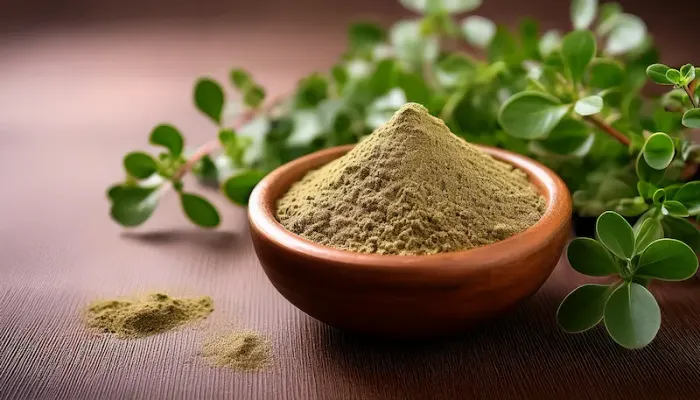
Introduction
If you are exploring natural approaches to support memory, focus, and resilience to stress, Brahmi often appears as a key herb worth considering. Known scientifically as Bacopa monnieri, this traditional Ayurvedic plant has been used for centuries to promote mental clarity and calmness. Today, modern research is investigating its potential effects on cognitive function and general well-being. By understanding brahmi benefits through both traditional knowledge and scientific insight, you can decide whether this herb fits into your health routine and how to use it with care and confidence.


What Is Brahmi (Bacopa monnieri)?
Brahmi is a creeping plant found in wetlands across India and other parts of Asia. In Ayurveda, it is known as a medhya rasayana, a category of herbs believed to rejuvenate and support the mind. Modern supplements often use concentrated leaf extracts to provide consistent levels of active compounds.
Key Points
Key points for consideration are:
• Botanical name: Bacopa monnieri
• Common names: Brahmi and water hyssop
• Traditional use: Mental clarity and cognitive support in Ayurveda
• Modern focus: Memory, attention, mood, stress, and healthy brain ageing
Ayurvedic teachings highlight Brahmi's calming properties and its capacity to support concentration. Meanwhile, modern interest centres on its possible cognitive benefits, especially when used consistently over long periods.
Evidence-Based Brahmi Benefits
Scientific research on Brahmi is expanding, and while results vary, several clinical trials suggest that it may offer notable support for memory, learning, and mental processing. The effects tend to appear gradually, making consistency an essential part of its use.
Brain Boosting Effects: Memory, Learning, and Attention
Some of the brain-boosting effects are:
• Memory and learning: Multiple controlled studies indicate that Brahmi extracts can improve aspects of memory such as retention, delayed recall, and the speed at which new information is learned. These improvements tend to emerge after several weeks.
• Attention and processing speed: Some trials show small improvements in attention span and processing ability, although findings are mixed, and not every study reports benefits.
• Time to benefit: Most participants in research settings take Brahmi daily for four to twelve weeks before noticeable changes occur.
Taken together, the strongest evidence for brahmi benefits lies in its support for memory and learning, especially when used consistently across several weeks or months.
Mood, Stress, and Anxiety
• Some studies suggest Brahmi may help reduce feelings of mild anxiety and support a calmer mood.
• These effects may be linked to Brahmi's influence on stress pathways and neurotransmitters, although the evidence remains limited.
• Research in this area is still developing, so Brahmi should not replace professional treatment for clinical anxiety or significant stress conditions.
Healthy Brain Ageing and Neuroprotection
• Laboratory studies and animal research indicate antioxidant and neuroprotective properties.
• These findings suggest potential support for long-term brain health.
• Human research is still early, so these benefits remain encouraging but unconfirmed.
Other Traditional Uses
• Ayurveda traditionally uses Brahmi for vitality, clarity, and adaptability to stress.
• Modern evidence does not yet validate many of these broader uses, so it is best considered for its cognitive support rather than as a general wellness tonic.
How Is Brahmi Used? Forms, Dosage, and Expectations
Brahmi is available in multiple forms, making it easy to incorporate into a daily routine. Choosing a form with reliable standardisation ensures consistent active compounds.
Common Forms
• Standardised capsules or tablets
• Powders for drinks or smoothies
• Liquid extracts or tinctures
• Herbal teas, though concentrations vary widely
Dosage in Studies
• Many studies use approximately 300 mg per day of a standardised extract.
• Standardised extracts provide consistent bacoside levels, which are believed to contribute to cognitive effects.
How Long to Try It?
• Give Brahmi at least eight to twelve weeks for a fair assessment.
• Some individuals may notice subtle effects after four to six weeks, but patience is important.
Practical Tips
• Take with food to minimise stomach discomfort.
• Start with a lower dose if you are sensitive to supplements, then adjust gradually.
• Avoid adding new supplements or medications at the same time to prevent confusion about any reactions.
Safety, Side Effects, and Interactions
Brahmi is generally well tolerated, but like any supplement, it can cause side effects or interact with medications. Awareness and medical guidance are important. Common side effects and important points include:
Common Side Effects
• Mild stomach upset
• Nausea or cramping
• Diarrhoea
• Drowsiness or fatigue
• Dry mouth
Important Considerations
• Thyroid function: Some research shows a possible influence on thyroid hormones. Individuals with thyroid disease or on thyroid medication should use caution.
• Sedation: Because drowsiness may occur, take care when driving or operating heavy machinery until you understand how you respond.
Who Should Avoid or Use Caution
Avoid or use it with caution if you are:
• Pregnancy and breastfeeding due to limited safety data
• Children and teenagers without medical supervision
• People with digestive conditions that worsen with diarrhoea
• Individuals with known sensitivity to herbal supplements
Potential Medication Interactions
Some potential medication interactions include:
• Sedative medications due to possible additive effects
• Medications affecting acetylcholine pathways, including certain anticholinergic or cholinesterase inhibitors
• Thyroid medications due to the potential hormonal influence
• It is essential to review your entire medication and supplement list with your healthcare provider before starting Brahmi.
Who Might and Who Should Not Consider Brahmi?
The probable and non-probable considerations for brahmi use include:
Might Consider
• Adults seeking modest support for memory, learning, or mental clarity
• Individuals with mild age-related memory concerns are looking for complementary support
Should Not be Considering
• Pregnant or breastfeeding people
• Those with thyroid disorders
• Individuals with chronic digestive issues
People taking sedatives or multiple prescription medications
Choosing a Quality Brahmi Supplement
Because supplement quality varies considerably, careful selection improves safety and consistency. Points for choosing it are:
What to Look For?
• Third-party testing symbols, such as USP, NSF, or ConsumerLab to confirm product quality
• Standardised extracts specifying bacoside levels
• Clear labelling with exact dosages
• Reputable brands that follow good manufacturing practices and provide transparency about testing
Choosing high-quality products reduces the risk of contamination, inconsistency, or misleading ingredient claims.
Smart Lifestyle Pairings for Better Results
Brahmi works best as part of a broader plan for mental wellbeing and healthy cognitive ageing. Smart pairing includes:
Helpful Complementary Habits
• Sleep: Aim for seven to nine hours to support memory consolidation.
• Physical activity: Regular movement boosts blood flow to the brain.
• Nutrition: Emphasise balanced meals rich in vegetables, fruits, lean proteins, and omega-3 fats.
• Mental activity: Engage in learning, puzzles, or skill-building exercises.
• Stress management: Breathing practices, meditation, and social connection help maintain cognitive resilience.
Complementary habits make Brahmi more effective and promote overall mental health.
Conclusion
Brahmi (Bacopa monnieri) is an Ayurvedic herb with growing research support for modest memory benefits by consuming this expect gradual effects over 4–12 weeks but not an immediate boost. Side effects are usually mild (e.g., stomach upset, drowsiness), but interactions are possible. Avoid in pregnancy/breastfeeding and use caution with thyroid conditions and sedating medications, and choose standardised, third-party-tested products and combine with healthy lifestyle habits for better results.
More articles from General Medical Consultation





Frequently Asked Questions
1) What are the main brahmi benefits?
The most consistent evidence points to improvements in memory, learning, and cognitive processing after several weeks of daily use. Some people may also experience reduced perceived stress, although research on this effect is less decisive.
2) How long does Brahmi take to work?
Most studies report benefits after four to twelve weeks. It is not designed for immediate results, so consistent daily use is important.
3) What dose of Brahmi should I take?
Many clinical trials use around 300 mg per day of standardised extract. Because individual health needs vary, consulting a healthcare professional helps ensure suitable use.
4) Is Brahmi safe to take with medications?
Brahmi may interact with sedatives, medications that affect acetylcholine, and thyroid medicines. Always discuss this with your clinician before starting it.
5) Is Brahmi the same as gotu kola?
No. Bacopa monnieri and Centella asiatica are different herbs, although both are sometimes referred to as Brahmi. Always check the botanical name.