


Capsicum in Ayurveda: Uses & Risks
Learn capsicum ayurveda benefits, science-backed uses, nutrition, and risks. See who should avoid it and how to use peppers and capsaicin safely.

Written by Dr. Siri Nallapu
Reviewed by Dr. Shaik Abdul Kalam MD (Physician)
Last updated on 13th Jan, 2026
Introduction
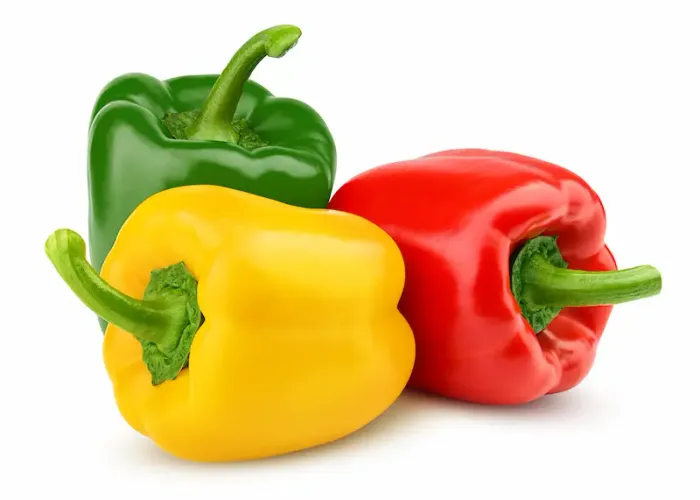
Capsicum, the plant family that includes both sweet bell peppers and spicy chilli peppers, has a long history in global cuisines and traditional healing systems. In Ayurveda, these colourful vegetables and potent spices are used thoughtfully to support digestion, balance internal heat, and enhance flavour. Modern scientific research, meanwhile, focuses largely on the nutritional strengths of bell peppers and the therapeutic potential of capsaicin, the compound responsible for chilli heat. By bringing these perspectives together, you can better understand capsicum Ayurveda benefits and how to enjoy peppers safely and effectively. This guide explores traditional insights, current scientific knowledge, practical usage tips, and clear safety considerations to help you make well-informed choices. Consult a Top Ayurveda Doctor for Personalised Advice
What Is Capsicum?
Let's see the basics on capsicum
Types of Capsicum
Bell Peppers
• Mild and crunchy with colours such as green, red, yellow, and orange
• Excellent sources of vitamins and antioxidants
• Naturally low in calories and high in hydration
Chilli Peppers
• Spicy varieties including cayenne, jalapeño, serrano, and more
• contains capsaicin, the active compound responsible for heat
• Used for culinary flavouring and medicinal applications
Key Nutrition Highlights of Bell Peppers
• Rich in vitamin C, supporting immunity and skin health
• Provide carotenoids like beta carotene and lutein, beneficial for eyes and skin
• Offer dietary fibre for digestive support
• Contain various antioxidants that protect cells from damage
Capsicum in Ayurveda
Capsicum uses as per ayurveda include:
Traditional Uses
• Considered pungent (Katu rasa) and heating (Ushna virya)
• Believed to stimulate digestion by supporting “agni,” or digestive fire
• Sometimes recommended in small amounts for sluggish digestion
• Commonly paired with cooling foods such as yoghurt, cucumber, lime, or coriander
Balancing Properties
• It may be suitable for some individuals when used moderately
• Those with excess internal heat, acidity, or inflammatory tendencies may benefit from limiting very spicy peppers
• Sweet bell peppers offer a gentler alternative for those sensitive to heat
Evidence-based Health Benefits of Capsicum and Capsaicin
The advantages of capsicum and capsicin include:
Nutritional Advantages of Bell Peppers
Immune and Skin Support
• High vitamin C content contributes to normal immune function
• Plays a key role in collagen formation, enhancing skin health
Eye and Skin Health
• Carotenoids such as beta carotene and lutein support vision and healthy skin
• Red and orange peppers are especially potent sources
Improving Diet Quality
• Encourages an overall increase in vegetable intake
• Easily incorporated into meals for added colour, flavour, and nutrition
Pain Relief Through Topical Capsaicin
Uses in Pain Management
• Prescription-strength patches are used for certain nerve pains, including diabetic nerve pain and post-shingles discomfort
• Over-the-counter creams offer modest relief for joint aches and muscle strains
Usage Tips
It includes:
• Expect mild burning or warmth initially
• Apply only to unbroken skin
• Avoid using it with heat sources such as heating pads or hot showers
• Wash your hands thoroughly after application and keep away from sensitive areas
Metabolism and Appetite Effects
• Capsaicin may temporarily increase energy expenditure
• Some research suggests a mild reduction in appetite
• Effects are modest and should complement, not replace, balanced lifestyle habits
Heart Health and Longevity
• Some observational studies link frequent spicy food intake with potential longevity benefits
• These findings do not prove cause and effect
• The overall quality of diet and lifestyle choices likely plays a larger role
Risks, Side Effects, and Who Should Be Cautious
Risks, side effects and cautions to be observed include:
Gastrointestinal Irritation
• Chilli peppers may provoke heartburn or reflux
• Can aggravate symptoms of gastritis, ulcers, or irritable bowel syndrome
• Individuals sensitive to heat should consider opting for sweet bell peppers
Skin, Eye, and Respiratory Irritation
• Capsaicin vapours can irritate eyes and airways
• Direct contact may cause burning sensations
• Gloves are recommended when cutting chillies, and hands should be washed thoroughly afterwards
Allergic Reactions
• Rare but possible
• Symptoms may include itching, swelling, or hives
• Seek medical attention if breathing becomes difficult
Topical Capsaicin Cautions
• Not suitable for use on broken or irritated skin
• Avoid sensitive areas of the body
• Consult a clinician if pregnant, breastfeeding, or using other skin treatments
Special Populations
Special population information includes:
• Pregnant individuals may find spicy foods worsen heartburn
• Safety data for topical capsaicin during pregnancy and breastfeeding is limited
• Children should avoid handling hot peppers due to the risk of eye irritation
• People with chronic gastrointestinal issues or neuropathic conditions should consult a healthcare provider beforehand
How to Use Capsicum Wisely?
Tips to use capsicum include:
In the Kitchen
• Start with mild peppers if new to spicy foods
• Remove seeds and membranes to reduce heat
• Use sweet bell peppers for nutrients without spice
• Add cooling elements such as yoghurt, avocado, or coriander to balance heat
• Monitor personal tolerance, particularly if prone to reflux or digestive discomfort
Handling Hot Peppers Safely
• Wear gloves when chopping
• Wash hands, utensils, and cutting boards with soap and water
• Avoid touching your eyes or contact lenses
• Clean skin with soap or mild oil-based cleansers if burning occurs
Using Topical Capsaicin at Home
Here is how to use topical capsaicin at home:
Steps for Safe Application
• Begin with the lowest strength product
• Apply regularly, as consistency enhances effectiveness
• Wash your hands thoroughly after use to prevent accidental contact with the eyes
• Discontinue use if severe irritation develops
Blending Ayurveda with Modern Guidance
The mix of ayurveda and modern medicine in capsicum is seen as:
Practical Integration
• Adjust pepper type and quantity based on personal tolerance
• Sweet bell peppers offer Ayurvedic and nutritional value without excessive heatCombine spicy dishes with cooling sides for balance
• Consult both an Ayurvedic practitioner and a healthcare professional for personalised guidance
Who Might Benefit From Capsicum?
Benefits may reach:
Potential Beneficiaries
• Individuals are increasing their vegetable intake for overall wellness
• People experiencing mild joint or muscle discomfort who may benefit from topical capsaicin
• Those who enjoy spice and wish to add variety to their meals in moderation
Who Should Be Cautious or Avoid It?
Be cautious & avoid it in:
• Individuals with frequent reflux, ulcers, or sensitive digestion
• People with known pepper allergies
• Anyone using topical capsaicin near heat sources or on compromised skin
• Pregnant or breastfeeding individuals considering topical capsaicin
• Children or others who may accidentally touch their face after handling peppers
Takeaway
Capsicum offers colour, flavour, nutrients, and in some cases, therapeutic benefits. While bell peppers enhance meals with valuable vitamins and antioxidants, chilli peppers and capsaicin products can provide additional benefits when used mindfully. Those exploring capsicum Ayurveda benefits should focus on balance, personal tolerance, and proper medical guidance. Peppers can be enjoyable and beneficial for many people, provided they are used appropriately. Consult a Top Ayurveda Doctor for Personalised Advice
Consult a Top Ayurveda Doctor for Personalised Advice

Dr. Shiv Prakash Singh
Ayurveda Practitioner
19 Years • BAMS
Kolkata
Vedhive Ayurveda College Street, Kolkata

(50+ Patients)

Dr. Anjan Das
Ayurveda Practitioner
8 Years • Ayurvedacharya ( B.A.M.S )
Dumdum
Vedhive Ayurveda Clinic, Dumdum

Dr. Rik Sadhukhan
Ayurveda Practitioner
8 Years • BAMS
Kolkata
Vedhive Ayurveda, Ballygunge, Kolkata
Consult a Top Ayurveda Doctor for Personalised Advice
Dr. Shiv Prakash Singh
Ayurveda Practitioner
19 Years • BAMS
Kolkata
Vedhive Ayurveda College Street, Kolkata
(50+ Patients)
Dr. Anjan Das
Ayurveda Practitioner
8 Years • Ayurvedacharya ( B.A.M.S )
Dumdum
Vedhive Ayurveda Clinic, Dumdum
Dr. Rik Sadhukhan
Ayurveda Practitioner
8 Years • BAMS
Kolkata
Vedhive Ayurveda, Ballygunge, Kolkata
More articles from General Medical Consultation




Frequently Asked Questions
1) Are bell peppers and chilli peppers both “capsicum”?
Yes. Both belong to the Capsicum genus. Bell peppers are mild, while chilli peppers contain capsaicin, which produces heat.
2) Can capsicum help with weight loss?
Capsaicin may slightly boost metabolism and reduce appetite for short periods, but the effect is modest. Balanced eating and regular physical activity remain essential.
3) Is topical capsaicin safe for joint or nerve pain?
Over-the-counter products may help with mild joint or muscle discomfort when used consistently. Prescription-strength patches are used for nerve pain in clinical settings. Follow instructions and avoid sensitive areas.
4) Are spicy foods safe during pregnancy?
Spicy foods are generally safe to eat, though they may worsen heartburn. Topical capsaicin should only be used with professional guidance due to limited safety data.
5) Who should avoid hot peppers?
Those with pepper allergies, significant digestive sensitivity, or frequent reflux should be cautious. Children should avoid direct handling of hot peppers. Sweet bell peppers provide a gentler alternative.