


Caraway Seeds in Ayurveda: Benefits, Uses, and Side Effects
Explore caraway seeds' benefits, ayurvedic spice uses, doses, and side effects. Learn science-backed tips for digestion and safe use.

Written by Dr. Siri Nallapu
Reviewed by Dr. Dhankecha Mayank Dineshbhai MBBS
Last updated on 13th Jan, 2026
Introduction
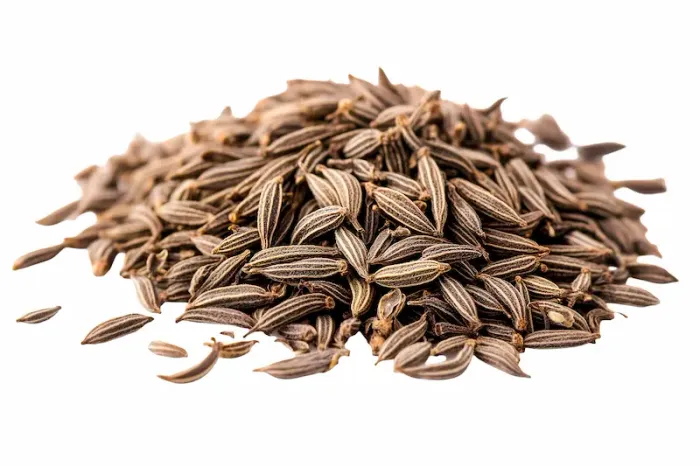
Caraway seeds (Carum carvi) are small, aromatic seeds recognised in many kitchens for their warm flavour and digestive support. You may know them from rye bread, sauerkraut, or traditional spice blends. In Ayurveda, this Ayurvedic spice has long been used to promote comfortable digestion after meals. Modern research now supports some traditional uses, particularly for indigestion. This guide explains caraway seeds' benefits, practical ways to use them, and important safety considerations so you can decide whether they belong in your wellness routine.Consult a Top Ayurveda Doctor for Personalised Advice
What Are Caraway Seeds?
Let us see some features and basics of caraway seeds:
Basic Information includes:
• Botanical name: Carum carvi L.
• Family: Apiaceae (carrot/parsley family — the same as cumin, fennel, dill, anise, and coriander)
• Flavour: Warm, sweet, slightly peppery with hints of anise and citrus
• Common culinary uses: Rye bread, cabbage dishes, pickles, stews, curries, spice rubs, teas
Caraway is sometimes confused with cumin, ajwain, or nigella, but each belongs to a different species and offers a unique flavour profile.
Caraway Seeds Benefits: Ayurveda Meets Modern Research
Caraway seed benefits include:
Traditional Ayurvedic Perspective
In Ayurveda, aromatic seeds such as caraway are valued for their digestive properties. They are commonly used after meals to:
• Support a balanced digestive “fire” (agni)
• Reduce gas and bloating
• Ease feelings of heaviness or fullness
Traditional knowledge provides useful context, but it is equally important to assess what modern scientific research tells us today.
Evidence-Backed Benefits
Some real benefits include:
1) Indigestion (Functional Dyspepsia)
• What the research shows: Studies of enteric-coated capsules combining caraway oil and peppermint oil show meaningful improvement in symptoms such as upper abdominal discomfort, fullness, and pain compared with placebo.
• Why it may help:
o Caraway’s essential oils (especially carvone and limonene) exhibit carminative and mild antispasmodic effects.
o Peppermint oil helps relax intestinal smooth muscle.
o Together, these actions may ease gas, cramping, and upper-GI discomfort.
• Supportive sources:
o NCCIH summaries of peppermint oil note the benefit when combined with caraway oil.
o European and WHO herbal monographs recognise caraway fruit for digestive complaints.
2) Gas and Bloating
• Traditional and scientific rationale: Caraway is widely recognised as a carminative—a herb that may reduce gas formation and help normalise digestive motility.
• Practical takeaway:
o Many people use simple caraway tea or add the seeds to gas-forming foods such as beans or cabbage.
3) Mild Stomach Cramping
• How it may work: Caraway’s essential oils have gentle antispasmodic properties in both traditional use and lab studies.
• Potential benefit: Some people find this helps reduce occasional cramping associated with functional digestive issues.
Note: Laboratory research also explores antioxidant and antimicrobial properties of caraway constituents, but these early findings do not replace clinical evidence.
How to Use This Ayurvedic Spice?
Some uses of caraway as a spice include:
Easy Culinary Ideas
• Toast whole seeds in a dry pan to release aroma, then:
o Add to cabbage, beets, carrots, or potatoes
o Sprinkle into lentils, beans, and soups
o Stir into yoghurt raita or salad dressings
o Bake into breads, biscuits, or crackers
• Tip: Start with ¼–½ teaspoon per dish and adjust to taste.
Caraway Tea (Simple Home Method)
• Lightly crush 1 teaspoon (≈2 g) of whole seeds.
• Pour 1 cup (240 ml) of hot water over them.
• Cover and steep for 10–15 minutes.
• Strain and drink after meals.
• Enjoy up to 2–3 cups daily if well tolerated.
Traditional Daily Amounts
• European and WHO monographs describe 1.5–6 grams daily of crushed caraway fruits, usually divided across the day as an infusion.
• If using caraway regularly in medicinal amounts, consult a healthcare professional — especially if you have medical conditions or take medications.
Peppermint + Caraway Oil Capsules
• Look for enteric-coated formulations containing both peppermint and caraway oils, as these minimise reflux and target the intestines.
• Work with a clinician to determine the most suitable product and dose.
Safety, Side Effects, and Who Should Avoid It
Find below safety, side effects, tips and when to avoid it:
Generally Safe in Culinary Amounts
Most people tolerate caraway well when used in normal food quantities.Some possible side effects include:
Possible Side Effects
• Digestive: Mild heartburn or belching in some individuals
• Skin: Essential oil may irritate skin if used undiluted
• Allergy: Possible cross-reaction in those allergic to Apiaceae family plants (celery, carrot, fennel, dill, anise)
Special Populations
Be cautious when used for a special category of people:
Pregnancy and Breastfeeding
• Safe in culinary quantities.
• Avoid high-dose preparations or essential oils due to limited safety data.
• Consult your clinician before using beyond food amounts.
Children
• Herbal monographs generally discourage medicinal use for children under 12 without professional guidance.
• Never give essential oils to infants or young children.
Medical Conditions and Medications
There is limited research on the medications and what are the medical conditions to avoid it:
• Research on interactions is limited.
• Seek advice if you have:
o GERD
o Gallbladder disease
o Significant gastrointestinal symptoms
o Prescription medications
Practical Tips: Buying, Storing, and Brewing
Some practical tips are:
What to Look For
• Buy whole seeds for maximum freshness.
• Perform a freshness test: rub a few seeds between fingers; they should smell warm and aromatic.
Storage
• Keep in an airtight container
• Store away from heat, moisture, and sunlight
• Use within 6–12 months for best flavour and potency
Brewing Tips
• Crush seeds just before steeping to release essential oils.
When to See a Clinician?
Seek medical advice promptly if you experience:
• Persistent or worsening indigestion
• Difficulty swallowing
• Unintentional weight loss
• Vomiting (especially blood)
• Black, tarry stools
• Iron-deficiency anaemia or unexplained fatigue
• New digestive symptoms developing after age 55
Conclusion
Caraway seeds offer a long history of traditional digestive support, and emerging research now aligns with some of these uses—particularly for indigestion and gas. Whether used in cooking, brewed as a tea, or taken in a clinician-recommended formulation, caraway can be a simple and flavourful addition to a digestive-friendly routine. As with any herb, safety depends on dose and individual health needs. With mindful use and proper guidance, caraway seeds can complement a balanced approach to everyday wellness.Consult a Top Ayurveda Doctor for Personalised Advice
Consult a Top Ayurveda Doctor for Personalised Advice

Dr. Shiv Prakash Singh
Ayurveda Practitioner
19 Years • BAMS
Kolkata
Vedhive Ayurveda College Street, Kolkata

(50+ Patients)

Dr. Rik Sadhukhan
Ayurveda Practitioner
8 Years • BAMS
Kolkata
Vedhive Ayurveda, Ballygunge, Kolkata

Dr. Anjan Das
Ayurveda Practitioner
8 Years • Ayurvedacharya ( B.A.M.S )
Dumdum
Vedhive Ayurveda Clinic, Dumdum
Consult a Top Ayurveda Doctor for Personalised Advice
Dr. Shiv Prakash Singh
Ayurveda Practitioner
19 Years • BAMS
Kolkata
Vedhive Ayurveda College Street, Kolkata
(50+ Patients)
Dr. Rik Sadhukhan
Ayurveda Practitioner
8 Years • BAMS
Kolkata
Vedhive Ayurveda, Ballygunge, Kolkata
Dr. Anjan Das
Ayurveda Practitioner
8 Years • Ayurvedacharya ( B.A.M.S )
Dumdum
Vedhive Ayurveda Clinic, Dumdum
More articles from General Medical Consultation




Frequently Asked Questions
1) Are caraway and cumin the same?
No. Caraway (Carum carvi) and cumin (Cuminum cyminum) come from different plants and have distinct flavours. They are not interchangeable in all recipes.
2) Do caraway seeds help with gas and bloating?
Many people find them helpful, and both traditional use and modern pharmacological research support their carminative effects. The best clinical evidence is for the peppermint–caraway oil combination used for functional dyspepsia.
3) How much caraway tea can I drink per day?
Up to 2–3 cups daily made with roughly 1 teaspoon of crushed seeds per cup is common. If you are pregnant, take medications, or have medical conditions, consult your clinician first.
4) Is caraway safe during pregnancy?
Culinary use is generally safe. Avoid medicinal doses, concentrated extracts, or essential oils unless advised by a healthcare professional.
5) Can I give caraway to my baby for colic?
No. Avoid essential oils for infants and do not give home remedies without medical guidance. Seek professional advice for persistent colic or feeding difficulties.