


Coconut in Ayurveda Benefits, Uses, and Healing Properties
Discover coconut benefits in Ayurveda. Learn how this ayurvedic food supports hydration, digestion, and skin—plus smart, safe ways to use it daily.

Written by Dr. Mohammed Kamran
Reviewed by Dr. Shaik Abdul Kalam MD (Physician)
Last updated on 13th Jan, 2026
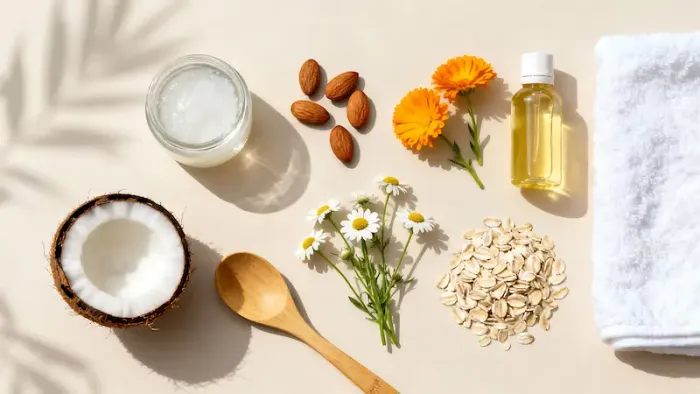
Introduction
Coconut has long been valued in tropical regions as a versatile, nourishing food. In Ayurveda, it is appreciated for its cooling, calming qualities that help balance heat and support the body during times of stress or warm weather. Modern nutrition examines coconut through a different lens, focusing on its fibre, saturated fat content and electrolyte profile. Understanding how these traditional and scientific perspectives complement one another can help you use coconut in ways that support both flavour and wellbeing. When included mindfully, coconut can be a satisfying part of a varied, balanced diet.
Consult a Top Ayurveda Doctor for Personalised Advice
What Ayurveda Says About Coconut
Find below the perspective of ayurveda about coconut
Ayurvedic Qualities
It includes:
• Cooling and soothing
• Gentle on digestion
• Nourishing for body tissues
• Supportive during hot seasons
Traditional Uses
It includes:
• Fresh coconut water for cooling hydration
• Fresh coconut meat for gentle nourishment
• Coconut oil applied to the skin and scalp to ease dryness
In Ayurvedic philosophy, coconut is regarded as sattvic, meaning it promotes calmness, clarity and emotional balance. It is often used to help ease excess body heat linked with pitta imbalance. These traditional ideas provide context for everyday food choices, though they do not replace personalised medical advice when needed.
Coconut Nutrition at a Glance
The nutrition of coconut includes:
Nutrients in Different Coconut Forms
• Coconut water contains natural electrolytes, especially potassium, with smaller amounts of sodium and magnesium
• Coconut meat provides fibre, energy, manganese, copper and other minerals
• Coconut oil is rich in saturated fat and influences LDL and HDL cholesterol
• Coconut milk and cream offer richness but are high in calories and saturated fat
Key Nutrition Notes
• Replacing saturated fats with unsaturated fats is recommended for most people
• Coconut products can be enjoyed within a balanced dietary pattern when used with awareness of portion sizes
Coconut Water: Cooling Hydration
Let us see how coconut water behaves as a cooling hydration
Nutrition Highlights
• Contains potassium and natural electrolytes
• Offers a refreshing hydration option, particularly in hot weather
• Provides natural sugars and calories, so unsweetened versions are preferable
Practical Hydration Tips
• For daily hydration, water is usually adequate
• For intense or prolonged exercise, fluids containing sodium and carbohydrates may be needed
• Individuals managing potassium levels should speak with their clinician before routine use
Coconut Meat: Fibre, Texture and Sustained Energy
The features of coconut meat are:
Benefits of Coconut Meat
It includes:
• Supplies fibre that supports bowel regularity and digestive comfort
• Provides minerals such as manganese and copper
• Is energy-dense, making it useful for sustained energy when eaten in moderation
Ways to Use Coconut Meat
It includes:
• Add unsweetened flakes to yoghurt, porridge or fruit
• Blend a small amount into smoothies for texture
• Include in vegetable dishes or curries for natural flavour
Coconut Oil: Enjoy with Care
The features of coconut oil are:
Nutrition Considerations
The nutritional value of coconut oil is:
• High in saturated fat, which can raise LDL cholesterol
• Best used in small amounts within an overall heart supportive diet rich in vegetables, legumes, grains, nuts and seeds
• Can still be used occasionally for its flavour in traditional recipes
Cooking Tips
It includes:
• Virgin coconut oil offers a natural aroma, while refined versions are neutral
• Use sparingly for sautéing or baking where the flavour suits
• Choose oils high in unsaturated fats, such as olive or rapeseed, for everyday cooking
Coconut Milk and Cream: Rich but Concentrated
The features of coconut milk and cream are:
Nutrition Profile
• High in calories and saturated fat
• Light versions provide some flavour with fewer calories
• Works well in curries, soups or sauces when used in small amounts
Balanced Cooking Choices
• Combine coconut-based dishes with plenty of vegetables and legumes
• Use modest portions to limit saturated fat intake
• Store leftover coconut milk in the fridge and finish within a few days
External Uses for Skin and Hair
The external uses of coconut are:
Traditional and Modern Approaches
• Coconut oil works as an emollient for dry skin
• Scalp massages may help reduce dryness or improve comfort
Practical Care Tips
Practical care tips include:
• Patch test if you have sensitive or acne-prone skin
• Apply a small amount on damp skin to seal in moisture
• Discontinue use if irritation develops
Coconut as an Everyday Ayurvedic Food
The use of coconut in the everyday diet is given below:
Daily Application
• Sip unsweetened coconut water in warm weather
• Add coconut flakes to vegetables, salads or grain bowls
• Use coconut milk sparingly in flavourful dishes
• Save coconut oil for recipes that benefit from its aroma
• Pair coconut with protein or fibre to support steady energy
Top Coconut Benefits in Ayurveda and Modern Life
Top benefits of coconut in ayurveda & modern life include:
Traditional Ayurvedic Perspective
• Cooling qualities that may feel soothing in heat
• Gentle nourishment for digestion
• Sattvic energy that promotes calmness
Everyday Practical Benefits
• Offers electrolyte-rich hydration
• Provides fibre for digestive support
• Enhances flavour and richness in plant-forward meals
• Moisturises dry skin when used externally
Who Should Be Cautious
Be cautious in the following ways:
Heart Health Considerations
• People with high LDL cholesterol should limit coconut oil and rich coconut products
Kidney and Potassium Considerations
• Coconut water contains potassium and may not be suitable for everyone with kidney concerns
Weight Management
• Coconut foods are energy-dense, so portion control is important
Allergy Awareness
• Coconut allergy is uncommon but possible, and symptoms require prompt care
Smart Shopping and Storage
Tips for smart shopping and storage of coconut:
Choosing Coconut Products
• Opt for unsweetened forms to avoid unnecessary added sugar
• Select coconut milk with simpler ingredient lists
• Choose light coconut milk when reducing saturated fat
Storage Basics
• Refrigerate opened coconut milk and use within several days
• Store coconut oil in a cool, dark area; changes in state from solid to liquid are normal
Simple Ways to Use Coconut Thoughtfully
Simple ways for thoughtful coconut usage are:
Everyday Ideas
• Oatmeal with berries and unsweetened coconut
• Vegetable curry with a small amount of light coconut milk
• Smoothie bowl with pineapple and a sprinkle of coconut flakes
• Lentil soup enriched with a touch of coconut milk
• Whole grain bowls topped with vegetables and a small quantity of coconut meat
Conclusion
Coconut is a flavourful, versatile ingredient that carries both traditional Ayurvedic value and modern nutritional considerations. When used in balanced amounts, it can offer hydration, texture, fibre and a pleasant richness to everyday meals. Selecting unsweetened forms, choosing lighter versions when appropriate and prioritising healthier fats in daily cooking all help maintain overall heart and metabolic health. Coconut can fit comfortably into a varied dietary pattern that includes fruits, vegetables, legumes, grains, nuts and seeds. With thoughtful use, coconut becomes a delicious addition to a lifestyle that supports long-term wellbeing.Consult a Top Ayurveda Doctor for Personalised Advice
Consult a Top Ayurveda Doctor for Personalised Advice

Dr. Shiv Prakash Singh
Ayurveda Practitioner
19 Years • BAMS
Kolkata
Vedhive Ayurveda College Street, Kolkata

(50+ Patients)

Dr. Anjan Das
Ayurveda Practitioner
8 Years • Ayurvedacharya ( B.A.M.S )
Dumdum
Vedhive Ayurveda Clinic, Dumdum

Dr. Rik Sadhukhan
Ayurveda Practitioner
8 Years • BAMS
Kolkata
Vedhive Ayurveda, Ballygunge, Kolkata
Consult a Top Ayurveda Doctor for Personalised Advice
Dr. Shiv Prakash Singh
Ayurveda Practitioner
19 Years • BAMS
Kolkata
Vedhive Ayurveda College Street, Kolkata
(50+ Patients)
Dr. Anjan Das
Ayurveda Practitioner
8 Years • Ayurvedacharya ( B.A.M.S )
Dumdum
Vedhive Ayurveda Clinic, Dumdum
Dr. Rik Sadhukhan
Ayurveda Practitioner
8 Years • BAMS
Kolkata
Vedhive Ayurveda, Ballygunge, Kolkata
More articles from General Medical Consultation



Frequently Asked Questions
Q.Is Coconut Oil Healthy
Coconut oil is rich in saturated fat and can raise LDL cholesterol. It may be used occasionally for flavour, but should not replace healthier unsaturated oils in everyday cooking.
Q.Is Coconut Water Better Than Regular Water
For everyday hydration, regular water is usually sufficient. Coconut water offers potassium and mild sweetness, but portions matter for those mindful of sugars or potassium.
Q.Can I Drink Coconut Water If I Have High Blood Pressure
Coconut water contains potassium, which may help many individuals. Those with kidney disease or on potassium-affecting medication should seek clinical guidance.
Q.Is Coconut a Nut Allergy Risk
Coconut allergy is uncommon but possible. People with known allergies should check labels carefully and seek medical help if symptoms arise.
Q.How Often Can I Use Coconut Milk in Cooking
Coconut milk can be used occasionally in modest amounts. It is high in saturated fat, so pairing it with vegetables, legumes, and whole grains keeps meals balanced.