


Common Winter Illnesses and Prevention Tips for a Healthy Season
Learn about common winter illnesses and practical cold prevention tips: vaccines, hygiene, masks, ventilation, and when to seek care. Stay healthy.

Written by Dr. Md Yusuf Shareef
Reviewed by Dr. Shaik Abdul Kalam MD (Physician)
Last updated on 13th Jan, 2026
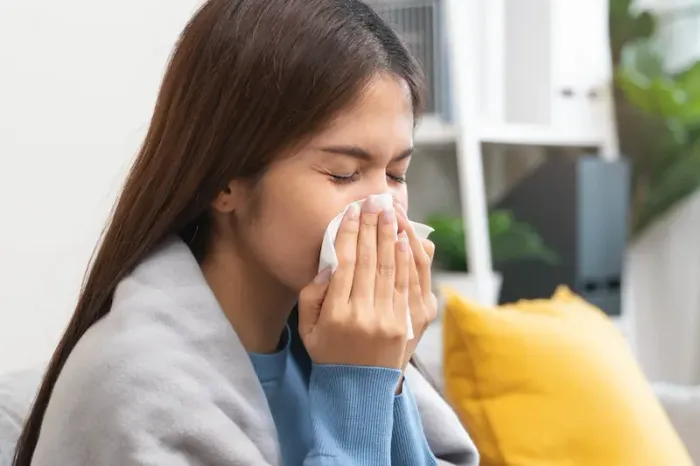
Introduction: Why This Matters
Shorter daylight hours, colder temperatures, and more time spent indoors create the perfect environment for coughs, fevers, and seasonal sniffles to circulate. Understanding the most common winter illnesses—and why they peak during this time—helps you make informed decisions for yourself and your family. With straightforward prevention steps, such as staying updated on vaccinations, practising effective hand hygiene, maintaining healthy indoor air, and responding early to symptoms, you can significantly reduce your chances of catching or spreading infections. Winter doesn’t have to mean constant illness; it can be a healthier, calmer season when you’re prepared.
Consult a Top General Practitioner for Personalised Advice
What Makes Winter Illnesses More Common?
Several seasonal factors combine to make winter the ideal environment for respiratory viruses. As temperatures drop, people naturally move indoors, spending longer periods in proximity, which increases the likelihood of person-to-person transmission.
- More indoor time increases person-to-person spread
With windows closed and less fresh air circulating, viruses linger for longer and can pass easily through coughing, talking, or touching shared surfaces. - Dry indoor air helps viruses survive and irritates the airways
Heating systems lower humidity, allowing viruses to remain airborne longer while also drying out nasal passages, making it easier for infections to take hold. - Seasonal viral patterns contribute to predictable surges
Many respiratory viruses, including influenza and RSV, naturally peak in colder months due to environmental conditions and human behaviour. - Heaters and enclosed spaces reduce ventilation
Reduced airflow limits the dilution of viral particles in the air, increasing exposure risk in homes, offices, and public transport. - People gather more closely at events and holidays
Social gatherings, travel, and crowded indoor activities create ideal opportunities for viruses to spread quickly through communities.
Common Winter Illnesses and Their Symptoms
Understanding what each illness looks like helps you decide when to rest, when to call a clinician, and when urgent care is needed. Individual risk factors also matter, including age, pregnancy, chronic conditions, or weakened immunity.
The Common Cold
- Viral infection caused by rhinoviruses, coronaviruses, and others
- Symptoms include a runny nose, mild fever (often in children), sneezing, sore throat, and a light cough
- Spread through droplets, close contact, and touching contaminated surfaces
- Supportive care includes rest, fluids, saline rinses, humidified air, and OTC medicines
- Antibiotics are not effective because colds are viral
Influenza (The Flu)
- A contagious respiratory virus that can be severe in young children, older adults, pregnant women, and chronic conditions
- Symptoms often include sudden high fever, chills, body aches, headache, cough, fatigue, and occasionally gastrointestinal symptoms in children
- Annual vaccination is the best protection
- Antiviral medicines may help if started early (within 48 hours of symptoms)
- Contact a clinician promptly if at higher risk of complications
COVID-19
- A respiratory infection that continues to circulate all year and often surges during winter
- Symptoms range from mild to severe and may include cough, fever, sore throat, fatigue, congestion, and changes in taste or smell
- Prevention includes staying updated on vaccination, improving ventilation, masking in crowded spaces, and testing if symptomatic
- Antiviral treatments are available for higher-risk individuals and should be started early
Respiratory Syncytial Virus (RSV)
- A winter virus that causes mild symptoms in most adults
- It can be serious for infants, young children, older adults, and people with chronic heart or lung diseases
- Symptoms include a runny nose, cough, fever, and wheezing
- Vaccines are available for some adults and for pregnant people to protect newborns
- Preventive antibodies can protect infants—ask your clinician for guidance
Strep Throat (Group A Streptococcus)
- A bacterial infection is more common in school-aged children
- Symptoms include fever, sore throat, difficulty swallowing, and often no cough
- Diagnosed through rapid tests or throat cultures
- Treated with antibiotics if positive
Sinus and Ear Infections
Sinusitis
- Often follows a cold due to blocked sinus passages
- Symptoms include facial pressure, thick discharge, and a persistent cough
- Many cases are viral; some are bacterial
Ear Infections (Otitis Media)
- More common in children
- Symptoms include ear pain, irritability, and trouble hearing
- Seek care for persistent symptoms or a high fever
Acute Bronchitis and Pneumonia
Acute Bronchitis
- Usually viral
- Symptoms include prolonged cough, fatigue, and chest discomfort
- Seek care for high fever, breathlessness, or prolonged symptoms
Pneumonia
- Infection of lung tissue (viral or bacterial)
- Symptoms include fever, cough, chest pain, and shortness of breath
- Pneumococcal vaccines are recommended for adults over 65 and at-risk groups
“Stomach Bug” (Norovirus)
- Highly contagious virus common in cooler months
- Symptoms include vomiting, diarrhoea, cramps, and sometimes fever
- Handwashing with soap and water is crucial, as sanitisers are less effective
- Stay home when sick and disinfect surfaces carefully
Cold Prevention Tips That Really Work
Practical, multi-layered strategies help reduce your risk and support community protection.
Stay Up to Date on Vaccines
It includes:
- Annual flu vaccination
- COVID-19 vaccinations per local guidance
- RSV vaccines for eligible adults and during pregnancy
- Preventive RSV antibody for infants
- Pneumococcal vaccination for adults 65+ or as advised
Practise Excellent Hand Hygiene
It includes:
- Wash your hands with soap and water for at least 20 seconds
- Use alcohol-based sanitiser when handwashing isn’t possible
- Avoid touching your eyes, nose, and mouth with unwashed hands
Improve Indoor Air
It includes:
- Increase ventilation by opening windows where safe
- Use exhaust fans or HVAC fresh-air settings
- Run HEPA air purifiers in shared spaces
- Maintain indoor humidity around 40–60%
- Clean humidifiers regularly
Use a Mask in Higher-Risk Situations
It includes:
- Crowded indoor areas
- Public transport
- High-transmission local periods
- When someone in your household is at higher risk
Stay Home When Sick and Test When Needed
It includes:
- Stay home with a fever, cough, or sore throat
- Test for flu or COVID-19 based on symptoms and guidance
- Seek care early if antiviral treatment may help
Clean and Disinfect High-Touch Surfaces
It includes:
- Disinfect doorknobs, switches, phones, and shared items
- Use products effective against norovirus when needed
Build Everyday Healthy Habits
It includes:
- Aim for 7–9 hours of sleep for adults
- Eat balanced meals rich in fruits, vegetables, and whole grains
- Stay hydrated throughout the day
- Exercise regularly for immune support
- Manage stress with simple relaxation techniques
- Avoid smoking or vaping, which irritates the airways
- Drink alcohol only in moderation
Cold Prevention for Families with Kids
Supporting children’s health during winter requires consistency and simple routines.
Keep vaccinations current
- Teach proper handwashing
- Encourage children to cover coughs and sneezes
- Keep sick children home and follow return-to-school guidelines
- Clean frequently touched toys & ventilate play spaces when possible
- Discuss RSV prevention with your paediatrician, especially for babies
When to Seek Medical Care?
- Seek timely medical advice for any concerning symptoms.
- Difficulty breathing or chest pain
- Blue or grey lips, face, or nails
- Severe sore throat with fever
- Signs of dehydration, particularly in children or infants
- Confusion, weakness, or persistent high fever
- Symptoms lasting more than 10 days
- Worsening symptoms after initial improvement
- High-risk individuals with signs of flu or COVID-19
Safe Symptom Relief at Home
Supportive relief helps ease discomfort while the body recovers. Taking a gentle, step-by-step approach can make symptoms more manageable and help prevent complications, especially during the early stages of illness.
- Use paracetamol or ibuprofen for fever and pain
These can help reduce fever, ease body aches, and improve comfort so you can rest more effectively. - Try saline nasal sprays, humidifiers, or steam for congestion
Moisture helps loosen mucus, soothe irritated airways, and make breathing easier, particularly in dry winter environments. - Use honey for cough (only for children over 1 year)
Honey can coat the throat and reduce nighttime coughing, helping improve sleep. - Ease a sore throat with warm drinks, lozenges, or saltwater gargles
These simple measures provide moisture and soothing relief for irritated tissues. - Rest and hydrate with water or oral rehydration solutions
Good hydration supports recovery and helps replace fluid losses from fever or rapid breathing. - Follow medication labels and consult a pharmacist if unsure
This ensures safe dosing, avoids interactions, and helps you choose the most appropriate remedies for your symptoms.
Myths and Facts About Winter Illnesses
- Myth: Cold weather causes colds. Fact: Viruses do—winter conditions simply help them spread.
- Myth: Antibiotics cure most winter illnesses. Fact: They don’t work on viruses.
- Myth: Vitamin C prevents colds. Fact: Evidence is mixed; a balanced diet matters more.
- Myth: You can’t spread illness if you feel fine. Fact: Many viruses spread before symptoms appear.
- Myth: Masks don’t help. Fact: Masks can reduce droplet spread in crowded indoor settings.
Planning for a Healthy Season
Preparation helps reduce stress and increases your ability to respond quickly. Taking a few thoughtful steps before winter illnesses peak can make managing symptoms easier and help protect those in your household.
- Stock essential medicines and supplies
Keep items like pain relievers, thermometers, tissues, saline sprays, and basic hydration options on hand so you’re ready when symptoms start. - Check vaccine schedules before peak winter
Reviewing your flu, COVID-19, and other recommended vaccinations early ensures you’re protected before virus activity increases. - Improve indoor air with ventilation and purifiers
Regularly airing out rooms and using HEPA purifiers where possible reduces indoor viral load and supports healthier breathing. - Create a “when sick” plan, including testing options and clinician contacts
Having clear steps to follow—such as where to test, who to call, and how to isolate if needed—helps you act quickly and confidently when illness strikes.
Final Thoughts
Winter brings an expected rise in seasonal illnesses, but with the right knowledge and everyday precautions, you can navigate the season more comfortably and confidently. Understanding how viruses spread, recognising symptoms early, and taking proactive steps—such as keeping vaccinations current, improving indoor air, and practising good hygiene—can significantly reduce risk. Whether you’re protecting yourself, caring for children, or supporting older family members, small, consistent habits make a meaningful difference. A well-prepared winter is a healthier winter, allowing you to enjoy the season with more comfort and peace of mind.
Consult a Top General Practitioner for Personalised Advice
Consult a Top General Practitioner for Personalised Advice

Dr. Rajib Ghose
General Physician/ Internal Medicine Specialist
25 Years • MBBS
East Midnapore
VIVEKANANDA SEBA SADAN, East Midnapore

Dr. Rajesh R
General Practitioner
24 Years • MBBS
Bengaluru
Maruti Polyclinic and dental care, Bengaluru

Dr Aswathy D C
General Practitioner
6 Years • MBBS
Bangalore
Apollo Clinic Bellandur, Bangalore

Dr. Utsa Basu
Diabetologist
14 Years • MBBS , MD
Barasat
Diab-Eat-Ease, Barasat

(75+ Patients)

Dr. Chaithanya R
Internal Medicine Specialist Diabetologist
16 Years • MBBS, MD Internal Medicine, Fellowship in Diabetes(UK), CCEBDM(PHFI)
Bangalore
Apollo Clinic Bellandur, Bangalore
(75+ Patients)
Consult a Top General Practitioner for Personalised Advice
Dr. Rajib Ghose
General Physician/ Internal Medicine Specialist
25 Years • MBBS
East Midnapore
VIVEKANANDA SEBA SADAN, East Midnapore
Dr. Rajesh R
General Practitioner
24 Years • MBBS
Bengaluru
Maruti Polyclinic and dental care, Bengaluru
Dr Aswathy D C
General Practitioner
6 Years • MBBS
Bangalore
Apollo Clinic Bellandur, Bangalore
Dr. Utsa Basu
Diabetologist
14 Years • MBBS , MD
Barasat
Diab-Eat-Ease, Barasat
(75+ Patients)
Dr. Chaithanya R
Internal Medicine Specialist Diabetologist
16 Years • MBBS, MD Internal Medicine, Fellowship in Diabetes(UK), CCEBDM(PHFI)
Bangalore
Apollo Clinic Bellandur, Bangalore
(75+ Patients)
More articles from General Medical Consultation




Frequently Asked Questions
Q.How can I tell if it’s a cold, flu, or COVID-19?
Symptoms overlap, but flu often starts suddenly with high fever, and COVID-19 may affect smell or taste. Testing is the most reliable way to know.
Q.Do I need a flu shot if I’m healthy?
Yes. Vaccination protects you and reduces the spread to others.
Q.What are the best prevention steps for families?
Layered measures such as vaccination, handwashing, ventilation, masking in crowded places, and staying home when sick.
Q.Should I ask about RSV protection?
If you’re 60+, pregnant during RSV season, or caring for an infant, discuss RSV protection options with your clinician.
Q.When should I worry about a cough?
Seek care for any breathing difficulty, chest pain, persistent high fevers, or a cough lasting more than three weeks.