


Daikon Radish Benefits: A Guide to Nutritional Value
Discover daikon radish benefits and Mooli nutrition. Discover easy ways to incorporate this crunchy veggie into balanced detox foods, with expert tips from trusted sources.

Written by Dr. Md Yusuf Shareef
Reviewed by Dr. Rohinipriyanka Pondugula MBBS
Last updated on 14th Jan, 2026
Introduction
If you are curious about daikon, also known as mooli, this guide provides a clear and practical overview. Daikon is a crisp, refreshing root vegetable with a mildly peppery flavour, commonly used across East and South Asian cuisines. It is increasingly recognised for its versatility, pleasant taste, and nutrition profile. In the sections that follow, you will find an evidence-informed explanation of daikon radish benefits, insights into mooli nutrition, and guidance on how it can complement a balanced approach to healthy eating. This includes a grounded perspective on the concept of detox foods, ensuring that the information remains realistic and aligned with current nutritional understanding.
Consult a Top Nutritionist for Personalised Advice
What Is Daikon (Mooli)?
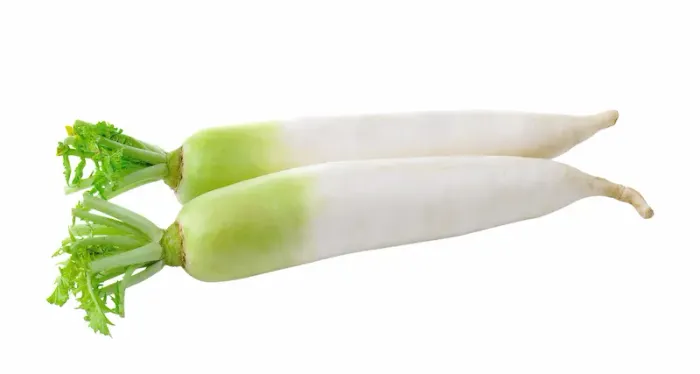
Daikon is a long, white variety of radish belonging to the cruciferous vegetable family, which includes cabbage, broccoli, kale, and turnips. Known as mooli in many South Asian regions, it differs significantly from the small red radishes often found in salads. Daikon has a milder bite, a juicy crunch, and a versatility that allows it to be eaten raw, pickled, braised, stir-fried, or simmered in soups. Its neutral flavour absorbs seasonings easily, making it a useful ingredient across a range of dishes.
Daikon Radish Nutrition At A Glance
The nutritional value of radish is:
• Low calories, making it a naturally light and filling addition to meals
• High water content that helps maintain hydration
• Fibre that supports digestive function and regularity
• Vitamin C, which contributes to immune health and collagen formation
• Potassium, a mineral associated with healthy blood pressure as part of an overall balanced diet
• Glucosinolates and related compounds common to cruciferous vegetables, currently being studied for their potential health effects
Evidence-Based Daikon Radish Benefits
The proven benefits of radish are:
Supports Hydration And Weight-Friendly Meals
• Naturally low in calories, daikon adds bulk and crunch without significantly increasing energy intake
• High water content helps keep meals satisfying, particularly in salads, soups, and stir-fries
• Using daikon in place of higher-calorie ingredients can help create balanced, volume-rich meals
Aids Digestion And Gut Health
• Daikon provides fibre, which supports healthy bowel movements and contributes to feelings of fullness
• A dietary pattern rich in fibre is linked with improved long-term digestive health and metabolic wellbeing
• Including daikon regularly helps reinforce a varied intake of fibre-rich vegetables
Vitamin C For Immune Support And Antioxidant Activity
• Daikon contains vitamin C, which aids immune function and supports collagen production for skin and tissue repair
• Vitamin C also contributes to the antioxidant defences that help protect cells from oxidative stress
• Eating a variety of vitamin C sources, including radishes, peppers, and citrus, helps maintain daily requirements
Heart-Smart Choice As Part Of A Balanced Diet
• Potassium-rich dietary choices support healthier blood pressure levels when combined with reduced sodium intake
• Daikon is naturally low in sodium while contributing useful amounts of potassium, making it a sensible choice for heart-conscious meals
• Paired with vegetables, fruits, whole grains, and lean proteins, daikon can complement patterns of eating recommended by major health authorities
Cruciferous Vegetable Compounds Under Active Study
• Daikon contains glucosinolates, which can form isothiocyanates when chopped or chewed
• These compounds are being studied for potential protective effects, including support for normal cellular processes
• Observational research links higher intakes of cruciferous vegetables with various long-term health advantages, though the evidence does not establish direct cause and effect
• Including cruciferous vegetables such as daikon contributes to a diverse and nutrient-rich diet
Daikon In A Balanced Diet And as A Detox Foods
You may see daikon included in lists of detox foods, but it is important to interpret such claims realistically.
• The body has a natural detoxification system involving the liver, kidneys, lungs, skin, and digestive tract
• Foods do not detox the body directly, but nutrient-dense choices can support these organs in functioning well
• Daikon helps indirectly by providing hydration, fibre for regular elimination, and micronutrients such as vitamin C
• Rather than focusing on detox claims, prioritise balanced meals, a high intake of vegetables and fruits, adequate hydration, whole grains, lean proteins, and healthy fats
• These habits form the foundation of wellbeing and are consistently supported by reputable health organisations
How To Buy, Store, And Prepare Daikon
Tips to buy, store and prepare daikon are:
Buying Tips
• Choose firm, heavy daikon with smooth skin and minimal blemishes
• If the greens are still attached, select bunches with fresh, vibrant leaves
• Daikon greens are edible and can be used in sautés, soups, and stir-fries
Storing
• Wrap the root loosely and refrigerate for up to one to two weeks
• Store the greens separately and use within several days for best quality
Preparing
• Wash thoroughly; peeling is optional since the skin is edible
• For a milder taste, peel and briefly soak slices in cold water
• For a more pronounced peppery note, leave the peel on and slice thinly
Easy Ways To Add Daikon To Everyday Meals
Easy ways to add daikon in everyday meals include:
• Crunchy salads: Add shaved or spiralised daikon to salads with carrots, greens, and citrus dressing
• Quick pickles: Marinate thin matchsticks of daikon with carrots in rice vinegar with a touch of sugar and spices
• Stir-fries: Add daikon half-moons towards the end of cooking for a tender-crisp texture
• Hearty soups and stews: Simmer daikon chunks in broth with tofu, chicken, legumes, or root vegetables
• Roasted sides: Roast daikon with oil, garlic, and herbs until lightly caramelised
• Salsas and slaws: Combine diced daikon with pineapple, coriander, and lime for a refreshing topping
Taste And Texture Tips
Taste and texture tips include:
• Raw daikon delivers a crisp, juicy bite with a mild peppery flavour
• Light cooking softens the taste and enhances its natural sweetness
• Pairs well with ingredients such as citrus, ginger, sesame, soy, garlic, and chilli for added depth
Safety, Allergies, And Sensible Cautions
The safety, allergy and caution to be observed are:
• Digestive comfort: Introduce daikon gradually if you are not accustomed to high-fibre foods
• Thyroid considerations: Cruciferous vegetables contain compounds that may influence thyroid function in very high amounts, especially when iodine intake is low. Moderate portions are generally acceptable for most people
• Sodium awareness: Pickled daikon may contain high sodium levels; choose smaller portions if you are monitoring your salt intake
• Allergies: Although uncommon, a radish allergy is possible. Seek medical care if you experience symptoms such as itching, swelling, or difficulty breathing
Putting it all together
Daikon brings refreshing crunch, lightness, and versatility to your table. When you think about daikon radish benefits and Mooli nutrition, remember that its strengths hydration, fibre, vitamin C, and a place among cruciferous vegetables shine brightest within an overall healthy eating pattern. Use it to add texture, colour, and balance to meals you already love. And if you’re looking for a realistic take on detox foods, let daikon be one of many whole, plant-forward choices that support your body’s natural systems day in and day out.
Consult a Top Nutritionist for Personalised Advice
Consult a Top Nutritionist for Personalised Advice

Dr. Ramalinga Reddy
General Physician
5 Years • MBBS MD General medicine
Bengaluru
PRESTIGE SHANTHINIKETAN - SOCIETY CLINIC, Bengaluru

Dt. Ila Sharma
Clinical Nutritionist
18 Years • Master in food & Nutrition
Gurugram
VIPUL GREENS - SOCIETY CLINIC, Gurugram

Dt. Prabhavathy
Clinical Nutritionist
8 Years • Msc Human Nutrition & Nutraceuticals
Madurai
Apollo Sugar Clinics, Madurai, Madurai

Ms. Bhavana Shetty
Dietician
7 Years • DDHN & Masters in Clinical Nutrition & Dietetics
Bangalore
Apollo Sugar Clinic, Seetha circle bangalore, Bangalore

Dr Sumanth R
General Physician
2 Years • MBBS
Bengaluru
PRESTIGE SHANTHINIKETAN - SOCIETY CLINIC, Bengaluru
Consult a Top Nutritionist for Personalised Advice
Dr. Ramalinga Reddy
General Physician
5 Years • MBBS MD General medicine
Bengaluru
PRESTIGE SHANTHINIKETAN - SOCIETY CLINIC, Bengaluru
Dt. Ila Sharma
Clinical Nutritionist
18 Years • Master in food & Nutrition
Gurugram
VIPUL GREENS - SOCIETY CLINIC, Gurugram
Dt. Prabhavathy
Clinical Nutritionist
8 Years • Msc Human Nutrition & Nutraceuticals
Madurai
Apollo Sugar Clinics, Madurai, Madurai
Ms. Bhavana Shetty
Dietician
7 Years • DDHN & Masters in Clinical Nutrition & Dietetics
Bangalore
Apollo Sugar Clinic, Seetha circle bangalore, Bangalore
Dr Sumanth R
General Physician
2 Years • MBBS
Bengaluru
PRESTIGE SHANTHINIKETAN - SOCIETY CLINIC, Bengaluru
More articles from General Medical Consultation





Frequently Asked Questions
1) Is daikon the same as regular red radishes?
They’re close relatives. Daikon is a long, white variety with a milder, juicier bite. Red radishes are smaller with a sharper peppery flavour. Both are nutritious.
2) What are the top daikon radish benefits?
It’s low in calories, hydrating, and provides fibre and vitamin C. As a cruciferous vegetable, it also contains plant compounds that are being studied for potential health benefits. The biggest advantage comes from eating it as part of a vegetable-rich, balanced diet.
3) Is daikon good for weight loss?
Daikon can help you build satisfying, lower-calorie meals thanks to its water and fibre content. No single food causes weight loss, but daikon is a smart ingredient in balanced, portion-aware eating patterns.
4) Is daikon a “detox food”?
No food “detoxes” the body by itself. Your liver and kidneys handle that naturally. Daikon can support overall wellness with hydration, fibre, and vitamin C, and it fits well in healthful eating patterns often marketed as detox-friendly.
5) Can you eat daikon raw, and should you peel it?
Yes, it’s delicious raw. The skin is edible; peel if you prefer a milder taste or if the skin is tough. Slice thin for salads and slaws, or cut into sticks for snacking.