


Digestive Biscuits: Nutrition Benefits & Myths
Are digestive biscuits healthy? Bust snack myths, understand real nutrition, and find fibre-rich snacks. Label tips and better choices for everyday snacking.

Written by Dr. Mohammed Kamran
Reviewed by Dr. Rohinipriyanka Pondugula MBBS
Last updated on 14th Jan, 2026
Introduction
Digestive biscuits are a teatime staple in many homes, often marketed as wholesome and light. But are digestive biscuits healthy, or are we falling for snack myths? If you’re trying to eat better, manage weight, or balance blood sugar, understanding what’s really in your biscuit, and how it fits into your day, can help. This friendly guide breaks down the facts, clears up myths, and offers smarter, fibre-rich snacks that keep you satisfied and energised.
What Exactly Are Digestive Biscuits?
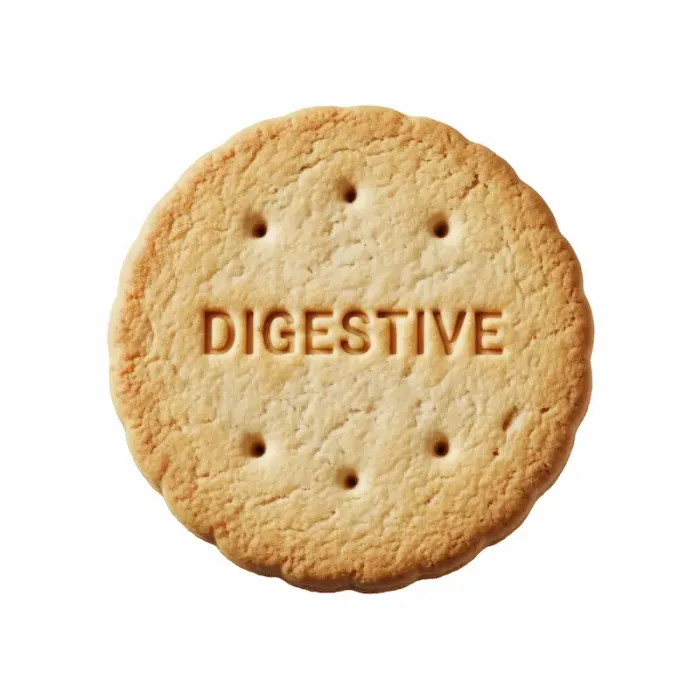
Digestive biscuits are semisweet, crunchy cookies traditionally made from wheat flour (sometimes whole wheat), sugar, fat (like vegetable oil or butter), and leavening agents. They’re praised for being simple and lightly sweet, and some versions include whole grains or bran.
Key point: “Digestive” is part of the historical name and marketing. Most modern versions don’t contain ingredients that actively aid digestion. The nutrition profile can vary widely by brand, so checking the label is essential.
Are Digestive Biscuits Healthy? Snack Myths Vs Facts
Snack Myth 1: “Digestive Biscuits Help Digestion”
• The truth: The name doesn’t mean the biscuit acts like a digestive aid. While some brands add a little bran or whole wheat, that doesn’t turn a cookie into a digestion booster. For gut health, overall fibre intake from a variety of foods matters far more.
Snack Myth 2: “Whole Wheat On The Pack Means It’s Low In Sugar”
• The truth: Many digestive biscuits still contain added sugars and fats. The World Health Organisation recommends limiting free (added) sugars to less than 10% of daily energy intake, with a conditional recommendation for less than 5% for extra health benefits. Even a “whole wheat” biscuit can contribute to added sugar intake if portions creep up.
Snack Myth 3: “They’re Much Better Than Regular Cookies”
• The truth: Calories, added sugars, and saturated fat can be similar to other cookies, depending on the brand. While some versions use more whole grain, the health impact depends on your overall diet quality, portion size, and how often you eat them.
Nutrition Snapshot: What To Check On The Label?
Because recipes differ, the best way to judge is to read the label. Look for:
• Serving size: Check how many biscuits count as one serving (often 1–2). If you eat more, adjust sugars, calories, and fat accordingly.
• Whole grain first: In the ingredient list, whole wheat or whole grain should appear near the top to indicate a meaningful amount.
• Added sugars: Check grams of added sugar. Keeping added sugars low supports heart, dental, and metabolic health per WHO and CDC guidance.
• fibre: More fibre is better for fullness and digestive health. A higher percent Daily Value for fibre is a good sign.
• Fats: Aim for lower saturated fat and avoid trans fat (often listed as 0 g; also scan ingredients for “partially hydrogenated oils”).
• Sodium: Some biscuits are surprisingly salty. The CDC recommends limiting sodium to reduce blood pressure and heart disease risk.
• Calories: They can add up quickly, especially when paired with sweetened tea or coffee.Consult a Top General Physician
Fibre Facts: How Do Digestive Biscuits Compare To Fibre-Rich Snacks?
Dietary fibre supports digestive health, helps you feel full, and is linked to heart health and blood sugar control. Mayo Clinic and Harvard note that most adults benefit from about 25–38 grams of fibre per day, depending on age and sex.
Where Do Digestive Biscuits Fit?
• Many provide only a modest amount of fibre per serving, especially if made with refined flour.
• Truly fibre-rich snacks include whole fruits, vegetables, legumes, nuts, seeds, oats, and other whole grains.
• If you’re choosing biscuits, look for versions emphasising whole grain and higher fibre, but remember they are still a treat rather than a staple fibre source.
Who Might Need Extra Caution With Digestive Biscuits?
If You’re Managing Blood Sugar
Refined carbohydrates and added sugars can raise blood glucose more quickly. Harvard Health Publishing explains that foods higher in refined carbs can create bigger spikes in blood sugar compared with intact whole grains and fibre-rich foods.
Tips:
• Keep portions small and pair biscuits with protein or fibre (e.g., a small handful of nuts).
• Choose versions lower in added sugar and higher in whole grains.
• Consider swapping for snacks with naturally occurring fibre and minimal added sugar.
If You’re Watching Heart Health Or Blood Pressure
• Sodium: Some bias pressure.
• Saturated fat: Check labels and choose options with less saturated fat. Replacing saturated fat with unsaturated fats:
Watch the addons:
• Plain yoghurt with berries, chia, or ground flax
• Oatmeal with cinnamon, walnuts, and raisins
• Whole-grain toast with avocado and a squeeze of lemon
• Roasted chickpeas or edamame
• Airpopped popcorn sprinkled with herbs
• A small hand-cut contains added salt. The CDC emphasises keeping sodium in check to support a healthy diet. Nuts, seeds, and olive oil support heart health.
How To Enjoy Digestive Biscuits In A Balanced Way?
Ways to enjoy digestive biscuits include:
• Mind the porti-Sweetened tea, coffee creamers, or spreads can add hidden sugar and calories.
• Enjoy 1–2 biscuits, not half a sleeve.
• Pair smartly: Add protein or fibre, think plain Greek yoghurt, a piece of fruit, or unsalted nuts, to improve fullness.
• Choose better versions: Look for more whole grains, less added sugar, and lower sodium and saturated fat.
• Keep balance in mind: Biscuits can fit occasionally, but most of your snacks should come from minimally processed, fibre rich foods.
Smarter Swaps: fibre-rich snacks That Satisfy
If you like the crunch and comfort of a biscuit, try these ideas:
Fresh fruit of unsalted nuts and a square of dark chocolate
These options typically offer more fibre, more nutrients, and steadier energy than cookies or biscuits.Consult a Top General Physician
Consult a Top General Physician

Dr. Rajib Ghose
General Physician/ Internal Medicine Specialist
25 Years • MBBS
East Midnapore
VIVEKANANDA SEBA SADAN, East Midnapore

Dr. Impana G N
Physician/ Internal Medicine/ Covid Consult
11 Years • MBBS,DNB FAMILY MEDICINE, MNAMS ,CCEBDM
Mysuru
Apollo BGS Hospital Adichuchanagiri Road, Mysuru

Dr. Swagato Podder
General Practitioner
5 Years • MBBS
Kolkata
GRD POLYCLINIC, Kolkata

Dr. Sougata Kumar
General Practitioner
9 Years • MBBS
East Midnapore
VIVEKANANDA SEBA SADAN, East Midnapore

Dr. Aritra Kumar Ray
General Physician/ Internal Medicine Specialist
10 Years • MBBS, MD (General Medicine)
East Midnapore
VIVEKANANDA SEBA SADAN, East Midnapore
Consult a Top General Physician
Dr. Rajib Ghose
General Physician/ Internal Medicine Specialist
25 Years • MBBS
East Midnapore
VIVEKANANDA SEBA SADAN, East Midnapore
Dr. Impana G N
Physician/ Internal Medicine/ Covid Consult
11 Years • MBBS,DNB FAMILY MEDICINE, MNAMS ,CCEBDM
Mysuru
Apollo BGS Hospital Adichuchanagiri Road, Mysuru
Dr. Swagato Podder
General Practitioner
5 Years • MBBS
Kolkata
GRD POLYCLINIC, Kolkata
Dr. Sougata Kumar
General Practitioner
9 Years • MBBS
East Midnapore
VIVEKANANDA SEBA SADAN, East Midnapore
Dr. Aritra Kumar Ray
General Physician/ Internal Medicine Specialist
10 Years • MBBS, MD (General Medicine)
East Midnapore
VIVEKANANDA SEBA SADAN, East Midnapore
More articles from General Medical Consultation



Frequently Asked Questions
1. Are digestive biscuits healthy?
They can be enjoyed in moderation, but they’re still cookies. Some versions have a bit more whole grain or fibre, but many contain added sugars and saturated fat. For everyday snacking, choose foods naturally rich in fibre and nutrients, and keep biscuits as an occasional treat.
2. Do digestive biscuits help with digestion?
Not specifically. The name is historical and doesn’t mean the biscuit acts as a digestive aid. A diet high in fibre from whole foods, along with adequate fluids and activity, is more effective for digestive health.
3. Are digestive biscuits good for weight loss?
They’re not weight-loss food. They can fit into a balanced plan if portions are small and overall calorie intake is managed, but whole foods like fruits, vegetables, legumes, and whole grains are generally better for fullness and nutrition.
4. Can people with diabetes eat digestive biscuits?
Possibly, but with care. Choose options lower in added sugar, keep portions small, and consider pairing with protein or fibre to blunt blood sugar spikes. Harvard Health Publishing notes that refined carbohydrates can raise blood sugar more quickly than intact whole grains.
5. Are sugar-free digestive biscuits a healthier choice?
Sugar-free versions may reduce added sugar, but check the label. Some use sugar alcohols, which can cause gas or bloating in some people. Also, compare saturated fat, sodium, and total calories. “Sugar-free” doesn’t automatically mean “nutrient-dense.”