


Does Apple Cider Vinegar Go Bad?
Get the facts on apple cider vinegar shelf life: how long it lasts, how to store it, signs of spoilage, and when to toss it—based on trusted sources.

Written by Dr. Rohinipriyanka Pondugula
Reviewed by Dr. Shaik Abdul Kalam MD (Physician)
Last updated on 17th Feb, 2026
Introduction
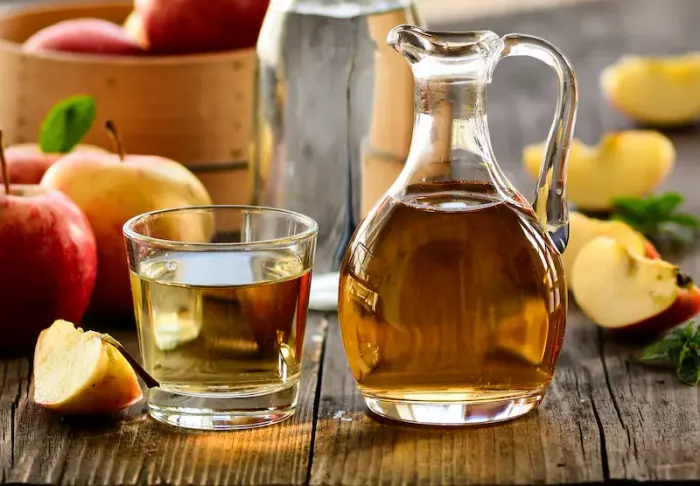
Apple cider vinegar is one of those kitchen staples that people often buy, store, forget about, and rediscover months or even years later. When that happens, the first question is usually whether it is still safe or worth using. Although apple cider vinegar is well known for its acidity and longevity, understanding exactly how long it lasts, what changes are normal, and how storage affects quality can help you avoid unnecessary waste while ensuring the flavour remains pleasant. This guide explains the apple cider vinegar shelf life clearly and simply, covering what affects safety, why it rarely spoils in a harmful way, and how to store it so it remains at its best for as long as possible.
Consult a Top Nutritionist for Personalised Advice
What Is Apple Cider Vinegar & Why Does It Last Long?
Apple cider vinegar is made through a two-step fermentation process that turns apple juice into alcohol and, eventually,
into acetic acid. This acetic acid is the core reason ACV has such impressive stability. The high acidity creates an
environment where harmful bacteria cannot survive, which keeps the vinegar safe even long after opening. Vinegar has
been used for centuries to preserve food precisely because its acidity prevents the growth of dangerous microorganisms.
As long as the vinegar remains undiluted and properly stored, it is highly resistant to spoilage.
Does Apple Cider Vinegar Go Bad? Safety vs Quality
Tips to ensure safety and quality include:
Safety
- ACV is acidic, and harmful bacteria struggle to survive in acidic environments.
- Its pH is low enough to keep it shelf-stable without refrigeration.
- This is the same principle that makes vinegar reliable for food preservation and pickling.
Quality
- Over time, aroma and flavour may change.
- Colour may darken, and sediment may appear.
- These changes are quality-related, not safety risks.
Key Point
The “best by” date refers to peak quality, not safety. When stored well, ACV can remain safe long after the suggested
date, as long as it still smells, looks, and tastes like vinegar.
Raw vs Pasteurised: What Changes About Shelf Life?
Let us see what is it which influences the shelf life:
Unfiltered or Raw ACV
- Contains natural fermentation bacteria known as “the mother”.
- Appears cloudy or may have strands or jelly-like structures.
- These features can increase over time and are completely normal.
Filtered or Pasteurised ACV
- Clearer in appearance due to filtration.
- Less likely to form new sediment as it ages.
- Tends to maintain flavour consistency slightly longer.
Both types remain safe for extended periods when properly stored. The presence of the mother is not dangerous; it is simply part of the fermentation process.
How Long Does Apple Cider Vinegar Last After Opening?
Once opened, ACV remains safe for years if stored properly. What usually changes is the flavour profile, which may
mellow or deepen slightly. Colour may darken, and natural sediment may appear. These shifts occur gradually and do
not compromise safety. The vinegar’s acidity continues to protect it from harmful microbes, even once the seal has been
broken. Most people replace their bottle for taste reasons long before it becomes unsafe.
Does Apple Cider Vinegar Need Refrigeration?
ACV does not require refrigeration at any point. Storing it in the fridge does not improve safety or significantly extend
freshness. The acidity already protects it, and the best storage method is simply keeping the bottle sealed and away from heat and sunlight. Refrigeration may slightly slow flavour changes, but it is unnecessary for safety or longevity.
How to Store Apple Cider Vinegar to Maximise Shelf Life
The tips to store include:
- Keep it in a cool, dark location such as a pantry or cupboard.
- Ensure the lid is tightly closed to limit oxidation.
- Avoid metal containers that may react with the acid.
- Do not add water to the bottle, as dilution lowers its acidity.
- Use clean, dry utensils each time to prevent introducing contaminants.
Proper storage not only preserves safety but also helps maintain the flavour and aroma that make ACV appealing in
recipes and drinks.
What Changes Are Normal and What Are Not?
It includes:
Normal Changes
- Cloudiness or a hazy appearance
- Sediment gathering at the bottom
- Formation of the mother, which may float or settle
- Darkening of colour
- Softening or mellowing of flavour
Warning Signs
- Fuzzy, raised mould on the surface
- A foul or rotten smell
- Gas buildup in unopened bottles
- A taste that differs sharply from typical vinegar flavour
While mould is rare due to acidity, it can appear if dilution occurred inside the bottle or if contaminants were
introduced. When in doubt, it is safer to discard.
Can You Use Apple Cider Vinegar After “Best By” Date?
Often, yes. ACV remains safe long past its listed date as long as it retains its normal vinegar smell, colour, and taste.
The date is primarily about optimal quality. Over time, the flavour may weaken, making it less ideal for culinary use,
but it does not mean the product becomes unsafe. If the vinegar still tastes good and has no unusual odour or
appearance, it is generally fine to continue using it.
Is the “Mother” Safe?
Yes. The mother is a combination of friendly bacteria and cellulose created during fermentation. It may appear more prominently over time, especially in raw vinegar. Although its appearance can surprise people, it is perfectly safe to consume and is often valued in unfiltered ACV for its natural properties. If you prefer a clear appearance, you can strain it, but you do not need to discard the vinegar.
Apple Cider Vinegar Shelf Life
The shelf life info includes:
- Unopened bottle stored in a cool, dark place: remains safe for years and maintains best quality until the labelled date.
- Opened bottle stored properly: continues to be safe for long periods, though flavour gradually shifts.
- Diluted ACV mixtures: best consumed immediately, as dilution reduces acidity and allows microbes to grow.
- Infused vinegars: due to added ingredients like herbs or fruits, these mixtures should be handled carefully and
refrigerated.
Health and Safety Notes You Should Know
Health and safety tips include:
When Using Apple Cider Vinegar Directly
- It is acidic enough to irritate the throat or stomach when taken undiluted.
- Diluting before drinking helps protect your digestive tract.
- Using a straw can help protect tooth enamel.
Possible Side Effects
- Tooth sensitivity or enamel erosion with frequent undiluted use.
- Stomach irritation in people prone to acid sensitivity.
- Interactions with certain medications, such as diuretics or insulin.
If you have chronic health conditions or take regular medications, it is wise to check with a clinician before using ACV regularly.
When Should You Toss Your Apple Cider Vinegar?
- When fuzzy mould appears.
- When it smells rotten, sour in an unusual way, or otherwise off.
- When it tastes significantly different from the expected vinegar flavour.
- When the container shows signs of leakage, cracks, or contamination.
Normal cloudiness, sediment, or the mother does not require disposal. These natural elements develop as the product
continues to age and evolve.
Quick Tips For Long Shelf Life of Apple Cider Vinegar
The tips are:
- Store in a cool, dark place.
- Keep the cap tightly closed.
- Avoid diluting directly in the bottle.
- Use clean utensils every time.
- Expect harmless changes such as sediment or cloudiness.
Conclusion
Apple cider vinegar is one of the most durable kitchen ingredients, thanks to its naturally high acidity, which protects it
from harmful bacteria and spoilage. Most of the changes that occur over time, such as cloudiness or the formation of
the mother, are harmless and expected rather than signs of decay. With proper storage and basic care, ACV can last for years while maintaining good flavour and aroma. Understanding the difference between normal ageing and true spoilage helps you avoid unnecessary waste and continue to use ACV safely and confidently. Whether in recipes, drinks, or household uses, a well-stored bottle can serve you for a remarkably long time.
Consult a Top Nutritionist for Personalised Advice
Consult a Top Nutritionist for Personalised Advice

Dr. Ramalinga Reddy
General Physician
5 Years • MBBS MD General medicine
Bengaluru
PRESTIGE SHANTHINIKETAN - SOCIETY CLINIC, Bengaluru

Dt. Ila Sharma
Clinical Nutritionist
18 Years • Master in food & Nutrition
Gurugram
VIPUL GREENS - SOCIETY CLINIC, Gurugram

Dt. Prabhavathy
Clinical Nutritionist
8 Years • Msc Human Nutrition & Nutraceuticals
Madurai
Apollo Sugar Clinics, Madurai, Madurai

Ms. Bhavana Shetty
Dietician
7 Years • DDHN & Masters in Clinical Nutrition & Dietetics
Bangalore
Apollo Sugar Clinic, Seetha circle bangalore, Bangalore

Dr Sumanth R
General Physician
2 Years • MBBS
Bengaluru
PRESTIGE SHANTHINIKETAN - SOCIETY CLINIC, Bengaluru
Consult a Top Nutritionist for Personalised Advice
Dr. Ramalinga Reddy
General Physician
5 Years • MBBS MD General medicine
Bengaluru
PRESTIGE SHANTHINIKETAN - SOCIETY CLINIC, Bengaluru
Dt. Ila Sharma
Clinical Nutritionist
18 Years • Master in food & Nutrition
Gurugram
VIPUL GREENS - SOCIETY CLINIC, Gurugram
Dt. Prabhavathy
Clinical Nutritionist
8 Years • Msc Human Nutrition & Nutraceuticals
Madurai
Apollo Sugar Clinics, Madurai, Madurai
Ms. Bhavana Shetty
Dietician
7 Years • DDHN & Masters in Clinical Nutrition & Dietetics
Bangalore
Apollo Sugar Clinic, Seetha circle bangalore, Bangalore
Dr Sumanth R
General Physician
2 Years • MBBS
Bengaluru
PRESTIGE SHANTHINIKETAN - SOCIETY CLINIC, Bengaluru
More articles from General Medical Consultation



Frequently Asked Questions
Q.How long does apple cider vinegar last after opening?
When stored correctly, it can last for years. You may notice gradual quality changes, but its acidity keeps it safe.
Q.Do I need to refrigerate apple cider vinegar?
No. ACV is shelf-stable due to its acidity and does not require chilling.
Q.Is the cloudy stuff or “mother” a sign my vinegar went bad?
No It is natural and harmless. Only discard if you see mould or smell something unusually unpleasant.
Q.Can I use ACV past the “best by” date?
Yes. If it still smells and tastes like vinegar, it is typically fine to use.
Q.Can apple cider vinegar grow mould?
It is rare in full-strength ACV, but possible if contaminated or diluted. Discard if fuzzy mould appears.