


Dog Bite Protocol: Immediate First Aid & Treatment
Dog bite treatment and first aid protocol you can trust. Learn immediate steps, rabies prevention, when to seek care, and what to expect at the clinic.

Written by Dr. M L Ezhilarasan
Reviewed by Dr. Mohammed Kamran MBBS, FIDM
Last updated on 13th Jan, 2026
Introduction
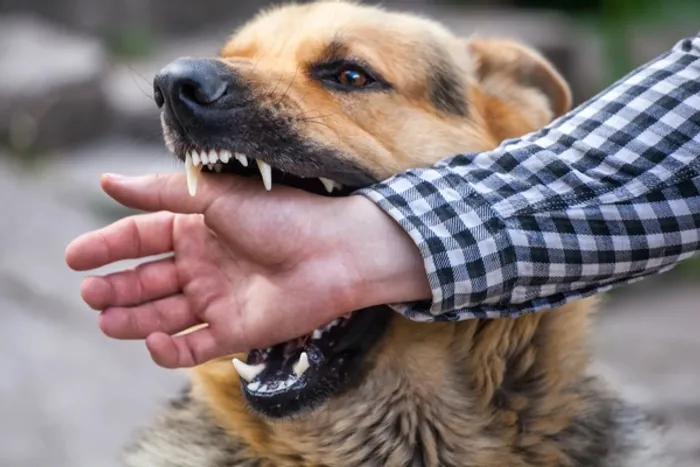
Dog bites are common, stressful, and sometimes serious. Quick action with a clear first aid protocol can lower infection risk, protect against tetanus and rabies, and support better healing. This guide walks you through evidence-based dog bite treatment, practical first steps, and rabies prevention so you know exactly what to do and when to seek medical care.
First Aid Protocol: What to Do Immediately?
Act quickly and calmly. Your goals are to prevent infection, control bleeding, and decide if emergency care is needed.
Step-By-Step First Aid
- Get to safety: Move away from the dog to prevent further injury.
- Check severity: If there is heavy, spurting, or uncontrolled bleeding; deep wounds; injuries to the face or neck; or if the person is very young, elderly, or immunocompromised, call emergency services right away.
- Wash the wound thoroughly: As soon as possible, wash the bite under running water with soap for about 15 minutes. This is a key rabies prevention step endorsed by global health authorities.
- Gently clean, but do not scrub forcefully.
- Apply antiseptic if available: After washing, apply an antiseptic like povidone‑iodine or an alcohol-based solution around the wound. Do not use harsh chemicals (like bleach) on the skin.
- Control bleeding: If still bleeding, apply gentle, steady pressure with clean gauze or a cloth until it stops.
- Do not close the wound at home: Avoid using glue, adhesive strips, or suturing. A clinician should decide if and how the wound should be closed.
- Cover the wound: Apply a clean, dry dressing.
- Pain control: Over-the-counter pain relievers like acetaminophen or ibuprofen may help, if safe for you.
- Seek medical care: Any bite that breaks the skin should be assessed by a healthcare professional, especially bites to the hand, face, joints, or genitals; deep punctures; crush injuries; or if you have diabetes, liver disease, asplenia (no spleen), or a weakened immune system.
When To Go To The Emergency Department Now?
- Severe bleeding or signs of nerve/vascular damage (numbness, weakness, pale or cold limb)
- Bites to the face, neck, or genitals
- Deep, gaping, or heavily contaminated wounds
- Multiple bites or crush injuries
- Signs of serious infection (fever, chills, rapidly spreading redness, severe pain)
- If you cannot reach urgent care quickly, and the rabies risk is a concern
Consult a Top General Physician
Dog Bite Treatment at a Clinic: What to Expect?
Medical professionals will evaluate infection risk, rabies exposure, tetanus status, and wound repair needs.
At The Visit, The Clinician May:
- Re-irrigate and debride the wound to remove debris and reduce bacteria
- Assess for tendon, nerve, or blood vessel injury; order imaging if they suspect a retained tooth fragment or bone involvement
- Decide whether to close the wound (some bite wounds, especially punctures and hand wounds, are best left open; facial wounds may be closed for cosmetic and functional reasons after thorough cleaning)
- Update tetanus vaccination if needed
- Prescribe antibiotics when indicated
- Determine your need for rabies post-exposure prophylaxis (PEP) and coordinate with public health authorities
Antibiotics: Who Needs Them?
Not every dog bite requires antibiotics. They are commonly recommended for:
- Bites to the hand, face, or over joints
- Deep puncture or crush injuries
- Wounds requiring surgical repair
- Delayed presentation (more than 8–12 hours after injury, or 24 hours for the face)
- People with diabetes, liver disease, asplenia, or weakened immune systems
A commonly used first-line option for adults and children is amoxicillin‑clavulanate, with alternatives for those allergic to penicillin. Your clinician will choose based on your history and local guidelines.
Tetanus Protection
- Dog bites are considered “dirty” wounds. If it has been 5 or more years since your last tetanus booster (Tdap or Td), you will likely need a booster. If your vaccination history is incomplete or unknown, you may need additional protection. Your clinician will advise based on CDC recommendations.
Rabies Prevention: How Clinicians Decide On Pep?
Rabies is rare in some countries but remains deadly without prompt prevention. Rabies prevention starts at home with that immediate 15-minute wash, but medical decisions depend on:
- The animal: Dog, cat, ferret, or wildlife (bats, raccoons, foxes, skunks, etc.)
- The animal’s health and vaccination status
- Whether the animal is available for observation or testing
- Local and travel-related rabies risk
Key Points
- In many regions, a healthy dog, cat, or ferret that bites a person can be confined and observed for 10 days. If it stays healthy, rabies transmission is unlikely. Always follow local public health guidance.
- If the animal is stray, sick, behaving strangely, cannot be located, or if you are in a rabies-endemic area, clinicians may recommend starting rabies PEP without delay.
- If PEP is indicated and you have not been previously vaccinated, treatment usually includes both rabies vaccine and human rabies immune globulin (HRIG). People who were previously vaccinated typically receive only the rabies vaccine series. Timing and doses follow public health guidelines.
- Do not delay seeking advice. Public health departments can help with risk assessment and animal observation or testing.
Monitoring At Home: Signs Of Infection And When To Return?
Even with good care, infections can develop after dog bites due to bacteria in the dog’s mouth and on human skin.
Watch For:
- Increasing redness, warmth, swelling, or pain around the wound
- Pus or cloudy drainage
- Red streaks extending from the wound
- Fever, chills, or feeling unwell
- Numbness, tingling, or trouble moving nearby fingers or joints
- Wounds on the hand become stiff or very painful within 24–48 hours
If you notice these signs, contact your healthcare provider promptly. Infection can spread quickly in hand bites and in people with certain medical conditions.
Special Considerations
Hands And Joints
- Hand bites are a high risk for infection and tendon or joint injury. Early medical evaluation is important, and antibiotics are often recommended.
Face And Scalp
- Facial wounds often benefit from timely closure by a clinician to optimise appearance and function; prompt evaluation is advised.
Children
- Children may need special evaluation for facial injuries and vaccination updates. Always seek care if the skin is broken.
Immune Compromise And Asplenia
- People who are immunocompromised or who do not have a spleen can develop severe infections (including from Capnocytophaga bacteria) more rapidly. Seek care immediately for any bite that breaks the skin.
Travel Or High-Rabies Regions
- If you were bitten while travelling or live in a rabies-endemic region, consult a clinician urgently, even if the wound seems minor. Rabies prevention decisions depend on local risk.
Animal Reporting
- In many areas, dog bites should be reported to local health or animal control authorities to support observation, testing when indicated, and community safety.
Prevention Tips to Avoid Dog Bites and Complications
Preventing Bites
- Learn dog body language: Avoid approaching dogs that are stiff, growling, baring teeth, or guarding food, toys, or puppies.
- Ask first: Always ask the owner before petting a dog; let the dog sniff your closed hand first.
- Teach children: Supervise around dogs. No hugging, teasing, or disturbing sleeping/eating dogs.
Don’t run from a threatening dog; stand still like a “tree” with arms at your sides and avoid eye contact.
Protecting Your Health
- Keep your tetanus vaccination up to date.
- Keep your dog vaccinated against rabies as required by local laws.
- If you work with animals or travel to high-risk countries, ask your clinician about pre-exposure rabies vaccination.
- Keep a small first aid kit with soap, clean water or saline, gauze, and antiseptic.
Putting It All Together: Your Quick Dog Bite Treatment Checklist
- Ensure safety; call emergency services for severe injuries.
- Wash with soap and running water for about 15 minutes; apply antiseptic.
- Cover with a clean dressing; avoid closing the wound yourself.
- Seek medical care for any bite that breaks the skin.
- Review tetanus status; follow antibiotic advice if prescribed.
- Discuss rabies prevention with your clinician and public health if there is any concern.
- Monitor for infection and return promptly if symptoms appear.
By following a clear first aid protocol and getting timely medical care, you can reduce complications and support safe healing after a dog bite. Dog bite treatment is most effective when started right away, and rabies prevention is urgent whenever exposure risk exists.
Consult a Top General Physician
Consult a Top General Physician

Dr. Anand Ravi
General Physician
2 Years • MBBS, FEM
Bengaluru
PRESTIGE SHANTHINIKETAN - SOCIETY CLINIC, Bengaluru

Dr Syed Mateen Pasha
General Physician
2 Years • MBBS
Bengaluru
PRESTIGE SHANTHINIKETAN - SOCIETY CLINIC, Bengaluru

Dr. Vivek D
General Physician
4 Years • MBBS
Bengaluru
PRESTIGE SHANTHINIKETAN - SOCIETY CLINIC, Bengaluru


Dr. Syed Ismail Ali
General Practitioner
7 Years • MBBS
Hyderabad
Apollo 24|7 Clinic, Hyderabad

Dr. Ajay K Sinha
General Physician/ Internal Medicine Specialist
30 Years • MD, Internal Medicine
Delhi
Apollo Hospitals Indraprastha, Delhi

(225+ Patients)
Consult a Top General Physician
Dr. Anand Ravi
General Physician
2 Years • MBBS, FEM
Bengaluru
PRESTIGE SHANTHINIKETAN - SOCIETY CLINIC, Bengaluru
Dr Syed Mateen Pasha
General Physician
2 Years • MBBS
Bengaluru
PRESTIGE SHANTHINIKETAN - SOCIETY CLINIC, Bengaluru
Dr. Vivek D
General Physician
4 Years • MBBS
Bengaluru
PRESTIGE SHANTHINIKETAN - SOCIETY CLINIC, Bengaluru
Dr. Syed Ismail Ali
General Practitioner
7 Years • MBBS
Hyderabad
Apollo 24|7 Clinic, Hyderabad
Dr. Ajay K Sinha
General Physician/ Internal Medicine Specialist
30 Years • MD, Internal Medicine
Delhi
Apollo Hospitals Indraprastha, Delhi
(225+ Patients)
More articles from General Medical Consultation





Frequently Asked Questions
How long should I wash a dog bite?
Wash under running water with soap for about 15 minutes as soon as possible. This thorough wash helps remove saliva and lower infection and rabies risk.
Do I need antibiotics for every dog bite?
Not always. High-risk wounds (hands, deep punctures, crush injuries, facial wounds needing repair, delayed care, or if you’re immunocompromised) often need antibiotics. Your clinician will decide.
When do I need a rabies shot after a dog bite?
It depends on the animal’s health, vaccination status, availability for a 10‑day observation, and local rabies risk. If the animal is unavailable or the risk is high, clinicians may start rabies PEP promptly. Don’t delay getting medical advice.
Do I need a tetanus booster after a dog bite?
Possibly. For “dirty” wounds like animal bites, a booster is usually recommended if it has been 5 or more years since your last tetanus shot, or sooner if you’re not fully vaccinated. A clinician can confirm.
Should I close a dog bite wound at home with glue or strips?
No. Do not close bite wounds at home. A clinician should decide whether and how to close them after thorough cleaning. Some wounds (especially punctures and hand bites) are left open.