


Eating Mold: Health Risks
Accidentally ate mould? Understand eating mould risks, symptoms, when to throw food away, and what to do next based on guidance from experts.

Written by Dr. Mohammed Kamran
Reviewed by Dr. Rohinipriyanka Pondugula MBBS
Last updated on 13th Jan, 2026
Introduction
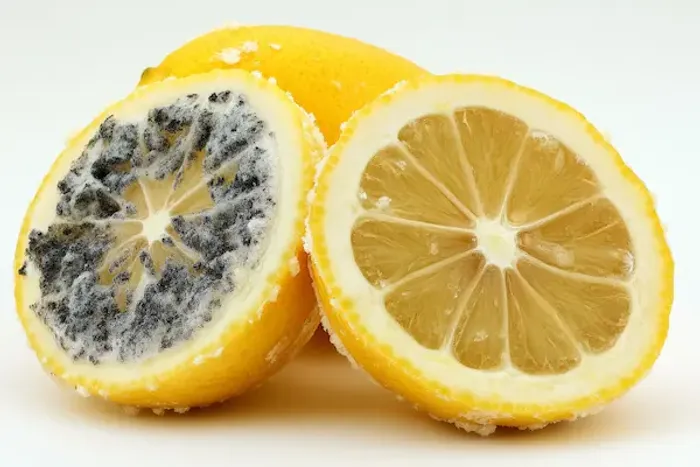
Most people have experienced the frustration of reaching for a loaf of bread, a piece of fruit, or a slice of cheese only to find unexpected fuzzy patches. Sometimes the discovery happens only after a bite has already been taken, which naturally raises concern about what happens when you eat mould and whether it poses real risks. While many healthy individuals experience little to no harm after ingesting a small amount of common household mould, certain foods, mould types, and health conditions can increase the danger. This article explains what happens when you eat mould, which foods should never be eaten once contaminated, who is most at risk, symptoms to watch for, and practical ways to prevent mould growth.
Consult a Top Nutritionist for Personalised Advice
What Is Mould And Why Does It Grow On Food?
Moulds are fungi that thrive in warm, moist, and sometimes acidic environments. Their spores are constantly present in the air and on surfaces, waiting for ideal conditions to grow. Once these spores land on food, they can produce fuzzy patches, discolouration, or noticeable changes in smell and taste. Though many moulds simply spoil food, others can produce mycotoxins, chemical substances that may be harmful if consumed in large quantities or over long periods.
Understanding Eating Mould Risks
Eating mould may pose different levels of risk depending on several factors:
- The type of food affected
- The species and amount of mould
- Your personal health status
- The likelihood of mycotoxin production
Soft, porous foods allow mould to penetrate deeply, meaning contamination often extends beyond visible spots. Hard or
firm foods, however, tend to restrict mould growth to the surface. Many healthy individuals may not react at all to a
small accidental exposure, while others may experience digestive upset, allergies, or more serious symptoms.
Common Symptoms After Eating Mould
Common symptoms include:
- Nausea, vomiting, or diarrhoea
- Stomach cramps
- Mouth irritation or unpleasant taste
- Sneezing, itching, or watery eyes
- Wheezing or asthma flare-ups
- Rare but severe symptoms after large exposures or in high-risk individuals
Who Is At Higher Risk From Eating Mould?
Higher risk individuals are:
- Individuals with asthma or mould allergies
- People with weakened immune systems
- Older adults and young children
- Pregnant individuals
Anyone in these categories who experiences symptoms after eating mould should seek prompt medical advice.
What To Do If You Accidentally Ate Mould?
In case of accidental eating:
- Stop eating the food immediately
- Avoid sniffing the item
- Rinse your mouth and drink water
- Monitor for symptoms for 24–48 hours
- Contact a healthcare provider if symptoms develop
- Seek urgent care for breathing difficulty, swelling, severe vomiting, or dehydration
- Contact authorities if multiple people are affected
When To Throw Away Vs When Trimming Is Acceptable?
Conditions to decide what to do with the mould-ridden food are:
Foods You Should Throw Away If Mouldy
- Bread, muffins, and pastries
- Soft cheeses and any crumbled, shredded, or sliced cheese
- Yoghurt, sour cream, dips, and spreads
- Cooked leftovers, casseroles, cooked grains, or cooked legumes
- Soft fruits and vegetables
- Lunch meats, bacon, and hot dogs
- Jams and jellies with mould on the surface
Foods That Can Be Trimmed
- Hard cheeses such as cheddar, Swiss, and Parmesan
- Firm fruits and vegetables such as cabbage, carrots, and bell peppers
Trim at least 2.5 cm around and below the mould spot, without allowing the knife to contact the mould.
What About Cheese With Edible Mould?
Some cheeses, such as blue cheese and Brie, are intentionally made with safe mould cultures. These controlled moulds
create flavour and texture. However, if additional mould appears outside the natural rind, or if the cheese becomes
slimy or develops an unusual smell, it should be discarded. Individuals with mould allergies should approach mould-
ripened cheeses with caution.
What You Should Know About Mycotoxins?
The things to remember with mycotoxins include:
What are they?
Mycotoxins are substances produced by certain moulds, particularly on nuts, grains, and stored foods.
Why They Matter?
High exposure can lead to serious health effects, including liver damage. Aflatoxins, in particular, have been linked to
liver cancer in cases of long-term or heavy exposure.
Everyday Context
Food safety systems in many countries closely monitor contamination levels. Still, any visibly mouldy nuts, grains, or
dried goods should always be thrown away.
Eating Mould Risks Vs Smelling Mouldy Foods
Smelling mouldy food is unsafe because inhaling spores can irritate the respiratory system. For individuals with asthma
or mould allergies, inhalation may be more harmful than swallowing a small amount, so you should never sniff mouldy
foods.
How To Prevent Mould On Foods?
Tips on the Prevention of moulds on foods include:
- Refrigerate perishables promptly below 4°C
- Store leftovers in shallow, sealed containers and use within a few days
- Keep produce dry, and wash berries only before eating
- Buy smaller quantities to avoid spoilage
- Store nuts and grains in airtight containers in cool, dry environments
- Rotate food items and check dates regularly
- Clean the fridge and pantry frequently
- Keep kitchen humidity low and ensure good ventilation
When To Seek Medical Care?
Seek medical help if you experience:
- Persistent vomiting, diarrhoea, fever, or dehydration
- Difficulty breathing or swelling of the face or throat
- Symptoms in someone at higher risk
- Illness in multiple people after consuming the same food
Practical, Evidence-Based Takeaways
Practical and evidence-based information includes:
- Do not panic after eating mould, but stay alert to symptoms
- Avoid sniffing mouldy items
- Discard soft or porous mouldy foods
- Trim mould carefully from hard cheese and firm produce
- Be extra cautious if you have allergies, asthma, or a weakened immune system
- Use proper food storage and hygiene to prevent mould growth
Consult a Top Nutritionist for Personalised Advice
Consult a Top Nutritionist for Personalised Advice

Dr. Ramalinga Reddy
General Physician
5 Years • MBBS MD General medicine
Bengaluru
PRESTIGE SHANTHINIKETAN - SOCIETY CLINIC, Bengaluru

Dt. Prabhavathy
Clinical Nutritionist
8 Years • Msc Human Nutrition & Nutraceuticals
Madurai
Apollo Sugar Clinics, Madurai, Madurai

Ms. Bhavana Shetty
Dietician
7 Years • DDHN & Masters in Clinical Nutrition & Dietetics
Bangalore
Apollo Sugar Clinic, Seetha circle bangalore, Bangalore

Dt. Ila Sharma
Clinical Nutritionist
18 Years • Master in food & Nutrition
Gurugram
VIPUL GREENS - SOCIETY CLINIC, Gurugram

Dr Sumanth R
General Physician
2 Years • MBBS
Bengaluru
PRESTIGE SHANTHINIKETAN - SOCIETY CLINIC, Bengaluru
Consult a Top Nutritionist for Personalised Advice
Dr. Ramalinga Reddy
General Physician
5 Years • MBBS MD General medicine
Bengaluru
PRESTIGE SHANTHINIKETAN - SOCIETY CLINIC, Bengaluru
Dt. Prabhavathy
Clinical Nutritionist
8 Years • Msc Human Nutrition & Nutraceuticals
Madurai
Apollo Sugar Clinics, Madurai, Madurai
Ms. Bhavana Shetty
Dietician
7 Years • DDHN & Masters in Clinical Nutrition & Dietetics
Bangalore
Apollo Sugar Clinic, Seetha circle bangalore, Bangalore
Dt. Ila Sharma
Clinical Nutritionist
18 Years • Master in food & Nutrition
Gurugram
VIPUL GREENS - SOCIETY CLINIC, Gurugram
Dr Sumanth R
General Physician
2 Years • MBBS
Bengaluru
PRESTIGE SHANTHINIKETAN - SOCIETY CLINIC, Bengaluru
More articles from General Medical Consultation


Frequently Asked Questions
1) I took a bite of bread and noticed mould. Will I get sick?
Many healthy people will not experience serious problems after a single small bite. You might have mild stomach upset or no symptoms. Stop eating it, avoid sniffing the bread, drink water, and monitor for symptoms. Seek medical care if you feel unwell, have breathing issues, or are in a higher-risk group.
2) Can mould on bread or leftovers make you sick?
Yes. Soft foods like bread and cooked leftovers are porous, allowing mould and possibly harmful bacteria to spread beyond what you can see. If you notice mould on these foods, dispose of them.
3) Is it safe to cut mould off cheese?
It depends on the cheese. Hard varieties such as cheddar or Parmesan can be salvaged by cutting at least 1 inch (2.5 cm) around and below the mould spot. Soft cheeses or shredded and sliced cheeses should be thrown away if mouldy.
4) Are blue cheeses with mould safe to eat?
Yes. Cheeses such as blue cheese or Brie are produced using specific, safe mould cultures. However, if they develop unusual mould growth, sliminess, or off smells, discard them. Individuals with mould allergies should use caution.
5) What are the biggest eating mould risks to remember?
The Biggest eating mould risks include:
- Allergic reactions or asthma symptoms
- Stomach upset such as nausea, vomiting, or diarrhoea
- Possible mycotoxin exposure, particularly from grains and nuts
- More serious risks for those with weakened immune systems