


Evening Primrose Oil: Benefits for Skin & Hormones
Evening primrose oil: evidence-based benefits for skin and hormonal balance. Learn uses, risks, dosing tips, and who should avoid this skin supplement.

Written by Dr. Mohammed Kamran
Reviewed by Dr. Rohinipriyanka Pondugula MBBS
Last updated on 18th Feb, 2026
Introduction
If you’ve searched for natural options to support clear, comfortable skin or ease monthly symptoms, you’ve likely come across evening primrose oil. This plant-based oil is a popular choice among skin supplements and is often marketed for “hormonal balance.” But what does science say, and is it right for you?
Below, you’ll find a friendly, evidence-based guide to evening primrose oil: how it works, potential benefits for skin and hormone-related symptoms, safety tips, and how to choose a quality product. We’ll keep it simple and honest, so you can make an informed decision.
Consult a Top General Physician
What Is Evening Primrose Oil?
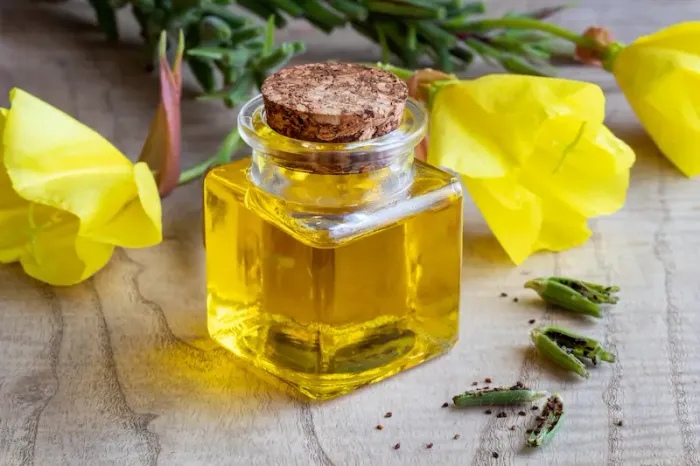
Evening primrose oil (EPO) is pressed from the seeds of the evening primrose plant (Oenothera biennis). It’s rich in omega-6 fatty acids, especially gamma-linolenic acid (GLA). Your body can convert GLA into substances that help regulate inflammation and support the skin barrier.
A Quick Reality Check On “Hormonal Balance”
“Hormonal balance” is a broad marketing term. Evening primrose oil does not contain hormones and is not proven to
“balance” them. Instead, its GLA content may influence signaling molecules (like prostaglandins), which can affect
certain symptoms tied to the menstrual cycle or menopause. Evidence for these effects is mixed and not definitive.
How Evening Primrose Oil May Support Skin Health?
Why Do People Try It?
- To support dry, sensitive skin
- To help with atopic dermatitis (eczema) or general skin comfort
- As a complementary approach alongside moisturizers and other skin care products
What Does The Research Show?
- Skin barrier and dryness: Because GLA is involved in skin barrier function, some small studies suggest evening primrose
oil may improve skin moisture and softness in certain people. However, results vary across studies, and not everyone
notices a difference. - Eczema (atopic dermatitis): Research is mixed. Several systematic reviews, including high-quality analyses, have found
little to no consistent benefit for eczema when taken by mouth. Some individuals still report improvement, but overall,
it’s not considered a proven treatment. Standard eczema care (gentle skin care, moisturizers, and guideline-based
prescriptions when needed) remains the mainstay. - Acne and general complexion: There’s limited clinical evidence that evening primrose oil helps acne. While its anti-
inflammatory potential is interesting, established acne treatments have stronger evidence.
Bottom Line For Skin Supplements
Evening primrose oil may be worth a cautious trial for dry or sensitive skin, but it is not a substitute for proven
treatments, especially for conditions like eczema or acne. If you decide to try it, combine it with a sound skin-care
routine: gentle cleanser, daily moisturizer, sun protection, and any treatments your clinician recommends.
Evening Primrose Oil And Hormonal Balance: What We Really Know?
People often take EPO for hormone-related symptoms such as PMS, cyclical breast pain, or menopausal hot flashes.
Evidence ranges from promising but preliminary to inconclusive.
PMS (Premenstrual Syndrome)
- What people hope for: relief of mood swings, bloating, headaches, or irritability.
- Evidence snapshot: Studies are mixed and often small. Some report modest benefits in PMS-related symptoms, but
overall evidence is not strong enough to recommend EPO as a reliable PMS treatment. Lifestyle approaches and, when
needed, clinician-recommended therapies have stronger support.
Cyclical Breast Pain (Mastalgia)
- What people hope for: less breast tenderness or pain linked to the menstrual cycle.
- Evidence snapshot: Some studies suggest evening primrose oil may help reduce cyclical breast pain for certain
individuals, possibly due to effects on prostaglandins. Still, findings are inconsistent across trials. If you experience
significant or persistent breast pain, see your clinician to rule out other causes and discuss the best treatment plan.
Menopause Symptoms (Hot Flashes)
- What people hope for: fewer or milder hot flashes.
- Evidence snapshot: Research is limited and inconsistent. A few small studies suggest a possible modest benefit, but
overall data are not strong. There are other nonhormonal and hormonal options with better evidence for managing hot
flashes; discuss these with your clinician to choose safely and effectively.
How To Choose And Use Evening Primrose Oil Wisely?
There is no single “standard” dose for evening primrose oil. Studies have used a wide range of amounts. If you decide to try it:
- Check GLA content: EPO typically contains about 8–10% GLA. Many studies explored daily GLA intakes in the neighborhood of a few hundred milligrams, but exact dosing varies. Ask your healthcare provider what’s appropriate for you.
- Look for quality testing: Choose brands that are third-party tested (USP, NSF, or ConsumerLab) to help ensure purity and potency.
- Start low and go slow: Begin with a lower daily amount to check tolerance. Taking it with food may reduce stomach
upset. - Give it time: If it helps, you might notice changes after several weeks. If there’s no benefit after 2–3 months, reconsider
continuing. - Keep your clinician in the loop: Especially if you take medications, have a medical condition, or are planning surgery.
Possible Benefits People Report (With Variable Evidence)
- Skin comfort and moisture
- Reduced cyclical breast tenderness
- Mild easing of certain PMS or menopausal symptoms in some individuals
Known Risks, Side Effects, And Interactions
Evening primrose oil is generally well tolerated by many people, but side effects can occur. Always talk with your
healthcare provider before starting any supplement.
Common Side Effects (Usually Mild)
- Upset stomach, nausea, or diarrhea
- Headache
- Temporary skin rash
Who Should Be Cautious Or Avoid It?
- People with bleeding disorders or on blood thinners/antiplatelets: EPO may increase bleeding risk; check with your
clinician if you take medications like warfarin, apixaban, clopidogrel, or daily aspirin. - People with seizure disorders: There have been reports of increased seizure risk with EPO, especially in those with
epilepsy or when combined with certain medications. Avoid unless specifically cleared by your neurologist. - Before surgery: Tell your surgical team about all supplements; they may advise stopping evening primrose oil ahead of
procedures. - Pregnancy and breastfeeding: Safety is not well established. Do not use it unless your obstetric provider recommends it.
- Medication interactions: Always review supplements with your clinician and pharmacist to check for interactions with
your specific medications.
Practical Alternatives With Stronger Evidence
Depending on your goal, there may be options with better research support:
For Dry, Sensitive Skin Or Eczema
- Daily moisturizers (fragrance-free, ceramide-rich)
- Short, lukewarm showers; gentle, non-soap cleansers
- Prescription therapies (topical steroids or calcineurin inhibitors) for flares, as directed by a clinician
- Trigger management: allergens, harsh detergents, over-washing
For PMS Symptoms
- Lifestyle: regular exercise, sleep, balanced diet, stress management
- Targeted treatments after clinician advice: NSAIDs for cramps, SSRIs for moderate-to-severe PMS/PMDD, certain
combined hormonal contraceptives
For Cyclical Breast Pain
- Supportive bras, warm compresses, NSAIDs as needed
- Discuss options with your clinician if pain is frequent or severe
For Menopausal Hot Flashes
- Evidence-based choices include cognitive behavioral therapy, certain SSRIs/SNRIs, gabapentin, and menopausal
hormone therapy for eligible patients after individualized risk–benefit discussion
Who Might Consider Evening Primrose Oil?
- Adults who want a cautious, short-term trial for mild skin dryness or comfort, after discussing with a clinician
- Adults with cyclical breast tenderness who prefer to try a supplement and understand that the evidence is mixed
- Individuals unable to use other therapies and who have reviewed safety considerations with a healthcare professional
Who Should Not Rely On It As The Main Treatment?
- Anyone with moderate-to-severe eczema, acne, PMS, or menopausal symptoms who hasn’t tried guideline-based therapies
- People with seizure disorders, bleeding risks, or those who are pregnant or breastfeeding without clinician guidance
Simple Tips To Get The Most From Any Skin Supplement
- Keep your routine consistent: gentle cleanse, moisturize, protect from the sun
- Treat root causes: allergies, irritants, or medical conditions
- Track changes: note symptoms, dose, and timing in a journal
- Reassess regularly: if you don’t see meaningful improvement by 8–12 weeks, discuss next steps with your clinician
Consult a Top General Physician
Consult a Top General Physician

Dr. Vivek D
General Physician
4 Years • MBBS
Bengaluru
PRESTIGE SHANTHINIKETAN - SOCIETY CLINIC, Bengaluru

Dr Syed Mateen Pasha
General Physician
2 Years • MBBS
Bengaluru
PRESTIGE SHANTHINIKETAN - SOCIETY CLINIC, Bengaluru

Dr. Harshendra Jaiswal
General Physician/ Internal Medicine Specialist
12 Years • MBBS , MD (General medicine)
Kolkata
108 DHANA DHANVANTARI Clinic, Kolkata

(25+ Patients)


Dr. Syed Ismail Ali
General Practitioner
7 Years • MBBS
Hyderabad
Apollo 24|7 Clinic, Hyderabad

Dr. Thandra Ramoji Babu
General Physician/ Internal Medicine Specialist
5 Years • MBBS, DNB(General Medicine)
Warangal
Sai Ram multi-specialty hospital, Warangal
Consult a Top General Physician
Dr. Vivek D
General Physician
4 Years • MBBS
Bengaluru
PRESTIGE SHANTHINIKETAN - SOCIETY CLINIC, Bengaluru
Dr Syed Mateen Pasha
General Physician
2 Years • MBBS
Bengaluru
PRESTIGE SHANTHINIKETAN - SOCIETY CLINIC, Bengaluru
Dr. Harshendra Jaiswal
General Physician/ Internal Medicine Specialist
12 Years • MBBS , MD (General medicine)
Kolkata
108 DHANA DHANVANTARI Clinic, Kolkata
(25+ Patients)
Dr. Syed Ismail Ali
General Practitioner
7 Years • MBBS
Hyderabad
Apollo 24|7 Clinic, Hyderabad
Dr. Thandra Ramoji Babu
General Physician/ Internal Medicine Specialist
5 Years • MBBS, DNB(General Medicine)
Warangal
Sai Ram multi-specialty hospital, Warangal
More articles from General Medical Consultation


Frequently Asked Questions
1. Does evening primrose oil really “balance hormones”?
Not exactly. It doesn’t contain hormones. Its GLA content may influence signaling molecules tied to inflammation and comfort, which might affect certain symptoms around the menstrual cycle or menopause. Evidence for “hormonal balance” claims is mixed and not definitive.
2. Can evening primrose oil help acne?
Evidence is limited. Some people feel their skin looks or feels better on EPO, possibly due to effects on the skin barrier and inflammation, but there aren’t strong clinical data for acne. Proven acne treatments (like benzoyl peroxide, retinoids, or clinician-prescribed options) are more reliable.
3. How long does it take to notice benefits?
If EPO is going to help you, you might notice changes within several weeks. If there’s no clear benefit after 2–3 months, it’s reasonable to stop and talk with your healthcare provider about other options.
4. Is evening primrose oil safe to take with birth control or antidepressants?
There aren’t well-documented major interactions with common hormonal contraceptives or SSRIs/SNRIs, but individual factors matter. EPO may increase bleeding risk when combined with blood thinners or certain antiplatelet drugs and may raise seizure risk in people with epilepsy. Always check with your clinician or pharmacist.
5. Is evening primrose oil safe in pregnancy or breastfeeding?
Safety is not established. Do not use evening primrose oil in pregnancy or while breastfeeding unless your obstetric provider specifically recommends it.