


Fenugreek Seeds: Incredible Health & Beauty Benefits
Explore fenugreek benefits for hair growth, digestion, and diabetes control. Learn safe uses, side effects, and tips backed by trusted medical sources.

Written by Dr. Mohammed Kamran
Reviewed by Dr. Rohinipriyanka Pondugula MBBS
Last updated on 13th Jan, 2026
Introduction
If you’ve been hearing about fenugreek seeds everywhere, you’re not alone. This humble spice has been used for centuries in traditional cooking and wellness. Today, many people are curious about fenugreek benefits for everyday health, hair growth, and especially Diabetes control. In this guide, you’ll find clear, evidence-informed answers on what fenugreek can and can’t do, how to use it safely, and when to talk to your healthcare provider.
What Are Fenugreek Seeds?
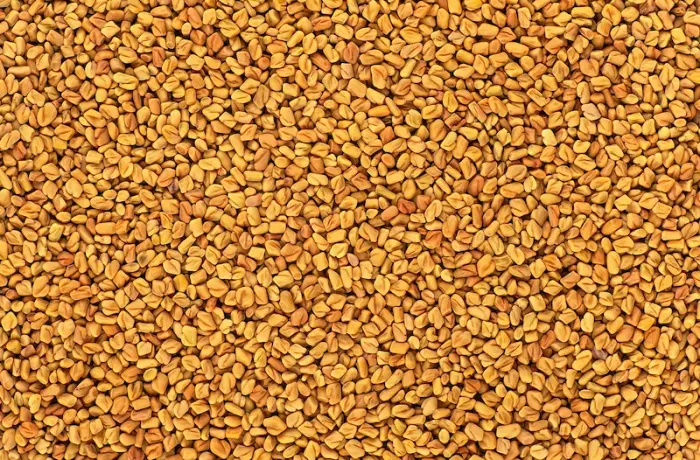
Fenugreek (Trigonella foenum-graecum) is a plant whose seeds are commonly used in cooking (especially South Asian, Middle Eastern, and North African cuisines). The seeds are rich in soluble fiber and contain plant compounds such as saponins and 4-hydroxyisoleucine. These components are thought to contribute to some of fenugreek’s potential health effects, particularly on digestion and blood sugar.
Fenugreek Benefits At A Glance
• May support healthy blood sugar when used alongside a diabetes care plan
• May help you feel fuller (thanks to fiber), supporting appetite control
• Traditional use for supporting breast milk supply (research is mixed)
• May support healthy cholesterol levels in some people (evidence is limited)
• Popular in DIY hair masks for scalp care, though strong evidence for hair growth is lacking
Key point: Fenugreek is not a miracle cure. It can be a helpful addition to a balanced diet and care plan, but it should not replace prescribed treatments.
Can Fenugreek Help With Diabetes Control?
Why Do People Use It?
- Fenugreek has been studied for its potential to support blood sugar management. Its soluble fiber can slow carbohydrate absorption, and certain compounds may help the body use insulin more effectively.
What Research Suggests?
- Small studies and reviews suggest fenugreek may modestly lower fasting blood sugar and, in some cases, hemoglobin A1c in people with type 2 diabetes. However, studies vary in quality, size, and dosing, and results are not uniform.
- Major public health organizations emphasize that supplements should complement, not replace evidence-based diabetes care, including medication when prescribed, nutrition, physical activity, and regular blood glucose monitoring.
How To Use It Safely For Blood Sugar Support?
- Do not stop or adjust diabetes medications without your clinician’s guidance.
- If you have diabetes and try fenugreek, check your blood sugar regularly. Fenugreek taken with diabetes medicines could sometimes increase the risk of low blood sugar.
- Choose food-first approaches: incorporating fenugreek as a spice or in recipes is generally safer than high-dose supplements.
Bottom line on Diabetes control: Fenugreek may provide modest support, but it is not a substitute for medical care. Work with your healthcare provider to decide if it’s appropriate for you.Consult a Top General Physician
Heart And Cholesterol: What We Know?
Some small studies suggest fenugreek may help lower LDL (“bad”) cholesterol and triglycerides in certain people. The evidence is limited and not definitive. If you have high cholesterol, continue with your prescribed plan, dietary changes, exercise, and medication as recommended, and discuss any supplement use with your clinician.
Digestion, Appetite, And Weight Management
Fiber support: Fenugreek seeds contain soluble fiber that can help you feel fuller for longer and support regular digestion.
Practical Tips:
- Start with culinary amounts (such as adding a small pinch of ground seeds to soups or curries) to see how you tolerate it.
- Drink enough water; fiber works best when you’re well hydrated.
Women’s Health And Lactation
Fenugreek is traditionally used to support breast milk supply. Some small studies and reviews report increased milk volume, while others find little to no effect. If you’re considering fenugreek while breastfeeding:
• Talk with a lactation consultant or clinician first.
• Monitor for side effects (gastric upset, body odor like maple syrup in mom or baby, or allergic reactions).
• Important: Avoid fenugreek during pregnancy unless your clinician advises otherwise.
Fenugreek For Hair Growth: What Science Says?
Fenugreek often appears in DIY hair masks, shampoos, and oils. The seeds contain proteins, antioxidants, and mucilage (a gel-like fiber), which may help hair feel smoother and may support scalp comfort. However:
• There aren’t robust clinical trials proving that fenugreek causes hair growth or reduces shedding.
• For ongoing hair loss or thinning, evidence-based treatments (such as topical minoxidil) and a medical evaluation for underlying causes are recommended.
How To Try Fenugreek For Hair Safely?
- Patch test first: Mix a small amount of fenugreek powder with water or plain yogurt, apply to a small skin area for 24 hours, and watch for irritation.
- Scalp mask idea: Soak 1–2 teaspoons of seeds overnight, blend into a paste, apply to the scalp for 15–20 minutes, then rinse. This can make hair feel conditioned, but it’s not a proven Hair growth treatment.
- If you have eczema, psoriasis, or a sensitive scalp, consult a dermatologist before trying new topical remedies.
How To Use Fenugreek Seeds In Daily Life?
Culinary Uses
• Temper whole seeds in hot oil to flavor curries, lentils, and vegetable dishes.
• Lightly roast and grind seeds to reduce bitterness; add pinches to spice blends.
• Sprout the seeds to add a mild crunch to salads and wraps.
• Make a simple tea: Simmer 1 teaspoon of lightly crushed seeds in water for 5–10 minutes, then strain.
Supplement Forms
Fenugreek is sold as capsules, powders, and extracts. Because supplement quality varies:
- Choose brands that use third-party testing (for example, USP, NSF, or ConsumerLab listing).
- Start low to see how you tolerate it, and discuss with your healthcare provider, especially if you take medications or have chronic conditions.
Safety, Side Effects, And Interactions
Common Side Effects
• Digestive: gas, bloating, diarrhea, or stomach discomfort
• Body odor: a maple-syrup-like smell in sweat and urine
• Skin: irritation or rash with topical use
Allergies
- Fenugreek is in the legume family. If you’re allergic to peanuts or chickpeas, use caution and talk to your clinician before trying fenugreek.
Medication Interactions And Precautions
- Diabetes medications or insulin: Fenugreek may enhance blood-sugar-lowering effects. Monitor closely and coordinate with your healthcare team.
- Blood thinners and antiplatelet drugs: Fenugreek may increase bleeding risk in some people; discuss with your clinician if you take warfarin, clopidogrel, aspirin, or similar medications.
- Surgery: Stop supplements at least 1–2 weeks before surgery unless your surgeon advises otherwise.
- Pregnancy: Avoid fenugreek unless your clinician recommends it.
- Breastfeeding: Mixed evidence for milk supply; discuss with a lactation or healthcare professional and monitor for side effects in mom and baby.
- Children: Avoid giving fenugreek supplements to children unless a pediatric clinician recommends it.
How Much Should You Take?
There isn’t a one-size-fits-all dose for fenugreek. Studies have used a wide range of amounts and forms. A practical approach is to:
• Prefer culinary amounts of seeds in food.
• If considering supplements, review your medical history and medications with your clinician first.
Who Might Consider Fenugreek?
• Adults interested in a high-fiber spice to diversify their diet
• People with type 2 diabetes who want to discuss evidence-informed adjuncts with their care team
• Breastfeeding individuals considering galactagogues, after consulting a lactation professional
Who Should Avoid Or Be Cautious?
Pregnant Individuals
• People with legume allergies (especially peanuts or chickpeas)
• Those with diabetes or blood-thinning medications (unless cleared by a clinician)
• Anyone scheduled for surgery soon
• Individuals with sensitive skin or active scalp conditions, when considering topical use
Quick Tips To Get Started
• Begin with food: Try adding a pinch of ground fenugreek to soups or lentils.
• Hydrate well: Fiber needs fluids to work comfortably.
• Go slow: If you’re new to fenugreek, start with small amounts to minimize digestive upset.
• Keep expectations realistic: Use fenugreek as part of an overall healthy lifestyle; it’s not a cure-all.Consult a Top General Physician
Consult a Top General Physician

Dr. Vivek D
General Physician
4 Years • MBBS
Bengaluru
PRESTIGE SHANTHINIKETAN - SOCIETY CLINIC, Bengaluru

Dr. Dhanraj K
General Physician/ Internal Medicine Specialist
25 Years • MBBS, MD Internal Medicine - Osmania Medical College, Hyderabad
Hyderabad
Apollo Hospitals Jubilee Hills, Hyderabad

(450+ Patients)

Dr Syed Mateen Pasha
General Physician
2 Years • MBBS
Bengaluru
PRESTIGE SHANTHINIKETAN - SOCIETY CLINIC, Bengaluru


Dr. Syed Ismail Ali
General Practitioner
7 Years • MBBS
Hyderabad
Apollo 24|7 Clinic, Hyderabad

Dr. Harshendra Jaiswal
General Physician/ Internal Medicine Specialist
12 Years • MBBS , MD (General medicine)
Kolkata
108 DHANA DHANVANTARI Clinic, Kolkata
(25+ Patients)
Consult a Top General Physician
Dr. Vivek D
General Physician
4 Years • MBBS
Bengaluru
PRESTIGE SHANTHINIKETAN - SOCIETY CLINIC, Bengaluru
Dr. Dhanraj K
General Physician/ Internal Medicine Specialist
25 Years • MBBS, MD Internal Medicine - Osmania Medical College, Hyderabad
Hyderabad
Apollo Hospitals Jubilee Hills, Hyderabad
(450+ Patients)
Dr Syed Mateen Pasha
General Physician
2 Years • MBBS
Bengaluru
PRESTIGE SHANTHINIKETAN - SOCIETY CLINIC, Bengaluru
Dr. Syed Ismail Ali
General Practitioner
7 Years • MBBS
Hyderabad
Apollo 24|7 Clinic, Hyderabad
Dr. Harshendra Jaiswal
General Physician/ Internal Medicine Specialist
12 Years • MBBS , MD (General medicine)
Kolkata
108 DHANA DHANVANTARI Clinic, Kolkata
(25+ Patients)
More articles from General Medical Consultation




Frequently Asked Questions
1. Can fenugreek cure diabetes?
No. Fenugreek may modestly support blood sugar management for some people with type 2 diabetes, but it does not cure diabetes. Continue your prescribed plan and consult your healthcare provider before adding supplements.
2. Is fenugreek safe during pregnancy and breastfeeding?
Avoid fenugreek during pregnancy unless your clinician advises otherwise. During breastfeeding, research on milk supply is mixed. If you choose to try it, do so with guidance from a lactation professional or clinician and watch for side effects in both mother and baby.
3. Does fenugreek really help with hair growth?
There’s no strong clinical evidence that fenugreek regrows hair. It may help hair feel smoother and support scalp comfort when used in masks, but proven Hair growth treatments and medical evaluation are best for ongoing hair loss.
4. Who should not take fenugreek?
Avoid or use only with medical guidance if you are pregnant; have a legume allergy (peanut or chickpea); take diabetes medications, insulin, or blood thinners; have a bleeding disorder; or have surgery scheduled soon.
5. What’s the best way to consume fenugreek seeds?
Culinary use is a safe starting point: lightly roast and grind small amounts to add to dishes, or simmer seeds for tea. If considering supplements, choose third-party tested products and talk with your healthcare provider first.