


Fenugreek (Methi) Seeds: Health and Beauty Benefits
Discover science-backed fenugreek seeds benefits and practical methi uses for health, hair, and skin, plus safety tips, FAQs, and trusted references.

Introduction
Fenugreek (methi) seeds have been used in kitchens and home remedies for centuries. Today, people are curious about fenugreek seeds' benefits and how they might support health, hair, and skin. Below, you’ll find what research says, how to use methi safely, and which methi uses are more traditional than proven, so you can make informed choices.
What Are Fenugreek (Methi) Seeds?
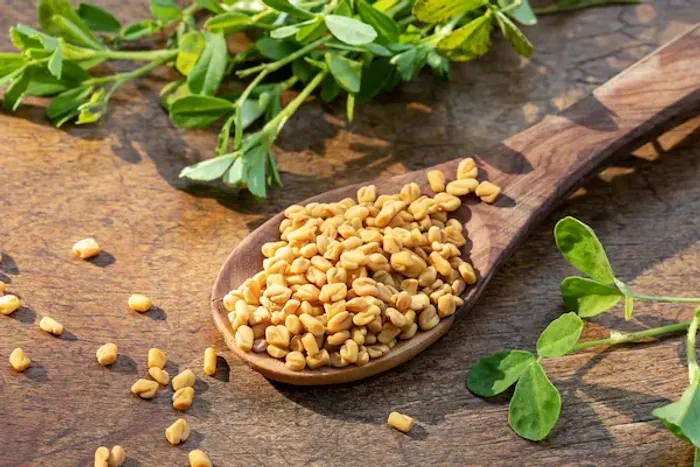
Fenugreek (Trigonella foenum-graecum) is a plant from the legume family. Its small, golden seeds have a slightly bitter, maple-like flavour and are used in spice blends, curries, pickles, and teas. The seeds contain fibre (including galactomannan), plant compounds like saponins (e.g., diosgenin), and small amounts of minerals. While people use fenugreek for many purposes, not all uses are backed by strong scientific evidence. It’s best to think of fenugreek as a supportive addition to a healthy lifestyle, not a cure-all.
Top Fenugreek Seeds Benefits: What Science Says?
Important note: Evidence for fenugreek varies by condition. Some benefits are supported by small or moderate-quality studies, while others are based on traditional use with limited clinical research. Always talk to your healthcare provider before starting any supplement, especially if you have a medical condition or take medications.
Blood Sugar Support In Type 2 Diabetes
- What we know: Several small studies suggest fenugreek seed preparations may help lower fasting blood sugar and, to a lesser extent, A1C in people with type 2 diabetes. The fibre and specific amino acids (like 4-hydroxyisoleucine) may help improve insulin response and slow carbohydrate absorption.
- How to use: In cooking, methi can be added to lentils, soups, and vegetables. For supplements, forms, and doses vary widely. Do not change diabetes medications without your clinician’s guidance.
- Safety notes: Fenugreek can lower blood sugar, which may increase the risk of hypoglycemia if taken with diabetes drugs. Monitor closely with your healthcare team.
Consult a Top General Physician
Cholesterol And Heart Health
- What we know: Some studies suggest fenugreek may modestly reduce total and LDL (“bad”) cholesterol, likely due to its soluble fibre content. These effects are generally small compared to proven lifestyle changes and medications.
- How to use: Combine fenugreek in meals with heart-healthy habits, a balanced diet, physical activity, not smoking, and taking prescribed medicines as directed.
Breastfeeding Support (Galactagogue)
- What we know: Research is mixed. Some small trials show fenugreek may increase breast milk volume; others find little or no benefit. If supply is a concern, first check latch, feeding frequency, and hydration with a lactation professional. Consider fenugreek only with guidance.
- Safety notes: While commonly used, not all infants or parents tolerate it. Some report digestive upset or a maple-syrup-like body odour. Discuss with your paediatrician and lactation consultant.
Menstrual Comfort (Dysmenorrhea)
- What we know: Limited, small studies suggest fenugreek may help reduce menstrual cramp severity in some people. Evidence is not strong, but it’s a potential option alongside proven strategies like heat therapy, exercise, and NSAIDs if appropriate for you.
- Safety notes: If you have a bleeding disorder or use blood thinners, talk with your clinician first.
Digestion, Appetite, And Weight
- What we know: Fenugreek’s soluble fibre can promote a feeling of fullness and support regularity.
- Some studies suggest modest effects on appetite, but evidence for weight loss is limited. It’s most useful as part of a fibre-rich eating pattern.
Sexual Health And Energy
- What we know: A few small studies with specific standardised fenugreek extracts report modest improvements in libido. Effects on testosterone are inconsistent and not well established. More research is needed.
- Safety notes: Avoid self-treating sexual or hormonal concerns; consult a healthcare professional for proper evaluation.
Popular Methi Uses For Beauty And Home Care
These common methi uses are mostly traditional or based on basic lab research. High-quality human studies are limited. If you try them, patch-test first and stop if irritation occurs.
Hair And Scalp Care
- What people do: Soak methi seeds overnight, blend into a paste, and apply to the scalp and hair for 15–20 minutes before rinsing. Some mix with yoghurt, coconut milk, or aloe gel.
- Why it may help: Fenugreek’s mucilage and proteins can act like a natural conditioner, and its antioxidant/anti-inflammatory plant compounds may support scalp comfort.
- Evidence snapshot: Mostly anecdotal; strong clinical trials in humans are lacking.
Skin-Soothing Masks
- What people do: Use a very finely ground paste or strained methi “tea” as a short-contact mask to soothe the look of irritated or oily skin.
- Why it may help: Seeds contain compounds with antioxidant and mild antimicrobial properties, which may support the skin barrier.
- Evidence snapshot: Limited human data; do not use on broken skin or near the eyes.
How To Use Fenugreek Safely?
Culinary Ideas
- Toast a pinch (¼–½ teaspoon) of seeds in oil to temper curries, dals, and vegetable dishes.
- Use dried leaves (kasuri methi) to finish sauces and soups.
- Brew a light tea: crush a small amount of seeds, steep 5–10 minutes, and strain.
- Add soaked, softened seeds sparingly to chutneys or salads for a nutty-bitter note.
Supplement Tips (General)
- Product forms vary: whole seeds, powders, capsules, standardised extracts, and teas.
- There’s no single approved dose. Study amounts range widely; more is not necessarily better.
- Choose third-party tested brands when possible, and review labels for other ingredients.
- If you have a health condition or take medications, ask your clinician or pharmacist before use.
Who Should Be Cautious Or Avoid Fenugreek?
- Pregnancy: Avoid medicinal amounts during pregnancy. Fenugreek may stimulate uterine activity.
- Culinary amounts in food are generally considered acceptable, but talk to your obstetric provider first.
- Diabetes: May lower blood sugar. If you use insulin or oral diabetes medicines, monitor closely and coordinate with your care team.
- Bleeding risk: Fenugreek contains compounds that may have mild blood-thinning effects. If you take anticoagulants/antiplatelets (e.g., warfarin, clopidogrel), have a bleeding disorder, or plan surgery, consult your clinician. Stop supplements at least 1–2 weeks before surgery unless told otherwise.
- Allergies: Possible cross-reactivity with legumes (peanut, chickpea, soy). Avoid it if you've had allergic reactions to these or to fenugreek itself.
- Digestive sensitivity: Can cause gas, bloating, or diarrhoea, starting with small amounts.
- Infants and breastfeeding: If used to support milk supply, do so with professional guidance.
- Watch your baby for any signs of digestive upset or allergy.
A Note On “Maple Syrup” Odour
- Fenugreek can cause a sweet, maple-like smell in sweat and urine due to a natural compound (sotolon). It’s usually harmless and fades after stopping.
Sprout Safety: Read This If You Eat Sprouted Seeds
Raw or lightly cooked sprouts (including fenugreek sprouts) can carry harmful bacteria like Salmonella or E. coli. If you’re pregnant, older than 65, immunocompromised, or have a chronic illness, avoid raw sprouts. If you choose sprouts, cook them thoroughly. Buy from reputable sources, keep refrigerated, and practice good kitchen hygiene.
Smart Shopping And Storage
- Look for seeds that are uniform in colour and free from moisture or mould.
- Store whole seeds in an airtight container away from light and heat; they keep longer than powders.
- If buying powders or capsules, choose brands that use third-party quality testing.
- Check expiration dates and follow storage instructions on the label.
Simple Ways To Add Fenugreek To Your Week
- Temper a small pinch of seeds in oil, then add onions, tomatoes, and chickpeas for a hearty side.
- Stir a little kasuri methi into yoghurt-based sauces or lentil soups just before serving.
- Brew a mild methi tea with ginger and lemon after meals.
- Try a scalp mask once weekly: blend soaked seeds into a smooth paste, patch-test on your inner arm for 24 hours, then apply to the scalp for 10–15 minutes and rinse well.
Consult a Top General Physician
Consult a Top General Physician


Dr. Syed Ismail Ali
General Practitioner
7 Years • MBBS
Hyderabad
Apollo 24|7 Clinic, Hyderabad

Dr. Anand Ravi
General Physician
2 Years • MBBS, FEM
Bengaluru
PRESTIGE SHANTHINIKETAN - SOCIETY CLINIC, Bengaluru

Dr. Vivek D
General Physician
4 Years • MBBS
Bengaluru
PRESTIGE SHANTHINIKETAN - SOCIETY CLINIC, Bengaluru

Dr. Harshendra Jaiswal
General Physician/ Internal Medicine Specialist
12 Years • MBBS , MD (General medicine)
Kolkata
108 DHANA DHANVANTARI Clinic, Kolkata

(25+ Patients)

Dr Syed Mateen Pasha
General Physician
2 Years • MBBS
Bengaluru
PRESTIGE SHANTHINIKETAN - SOCIETY CLINIC, Bengaluru
Consult a Top General Physician
Dr. Syed Ismail Ali
General Practitioner
7 Years • MBBS
Hyderabad
Apollo 24|7 Clinic, Hyderabad
Dr. Anand Ravi
General Physician
2 Years • MBBS, FEM
Bengaluru
PRESTIGE SHANTHINIKETAN - SOCIETY CLINIC, Bengaluru
Dr. Vivek D
General Physician
4 Years • MBBS
Bengaluru
PRESTIGE SHANTHINIKETAN - SOCIETY CLINIC, Bengaluru
Dr. Harshendra Jaiswal
General Physician/ Internal Medicine Specialist
12 Years • MBBS , MD (General medicine)
Kolkata
108 DHANA DHANVANTARI Clinic, Kolkata
(25+ Patients)
Dr Syed Mateen Pasha
General Physician
2 Years • MBBS
Bengaluru
PRESTIGE SHANTHINIKETAN - SOCIETY CLINIC, Bengaluru
More articles from General Medical Consultation
.webp)



Frequently Asked Questions
What are the most researched fenugreek seeds?
The best-studied areas are blood sugar support in type 2 diabetes and modest effects on cholesterol. There’s also mixed evidence for supporting breast milk production and menstrual comfort. Effects vary, and fenugreek is not a replacement for prescribed treatment.
Are there proven methi uses for hair growth?
Evidence for hair growth is limited and mostly anecdotal. Fenugreek paste can condition hair and may soothe the scalp, but robust clinical studies in humans are lacking.
Can I take fenugreek every day?
Culinary amounts in food are generally considered safe for most healthy adults. For supplements, daily use may be appropriate for some people, but safety depends on your health status and medications. Check with your clinician, especially if you have diabetes, take blood thinners, are pregnant, or plan surgery.
Does fenugreek increase breast size?
No reliable evidence supports fenugreek for breast enlargement. Be cautious with any product or claim that promises this.
How long does fenugreek take to work for blood sugar?
In studies, some people saw changes within weeks, but results vary and depend on the form and dose used, diet, activity, and medications. Work with your healthcare team to monitor and adjust your plan safely.