



French Beans in Ayurveda: Health Benefits and Side Effects
Discover French beans benefits and green beans nutrition, plus Ayurvedic tips, side effects, and safe cooking advice. Evidence-based, simple, and practical.

Written by Dr. Siri Nallapu
Reviewed by Dr. Rohinipriyanka Pondugula MBBS
Last updated on 13th Jan, 2026
Introduction
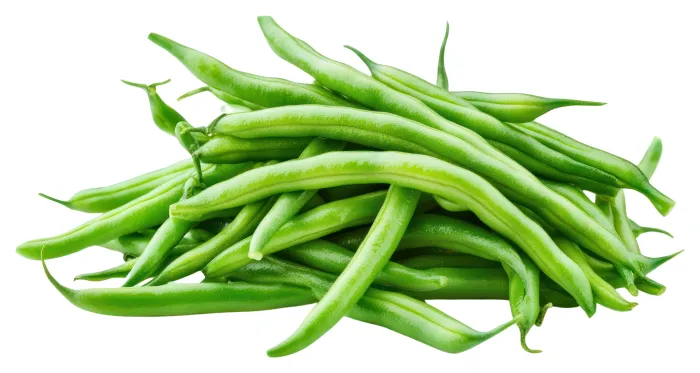
French beans, widely known as green beans or string beans, are crisp, versatile vegetables enjoyed in everyday cooking across the world. Whether steamed, sautéed, or stirred into comforting home dishes, they offer a gentle flavour and a pleasant texture that suits a wide variety of meals. Many people look for clear information on French beans benefits, green beans nutrition, and how these vegetables are viewed within Ayurveda. This expanded guide brings together practical nutrition knowledge, Ayurvedic insights, safety considerations, and simple ways to prepare them so you can enjoy them confidently and comfortably.
What Are French Beans?
French beans are young, tender pods of the common bean plant (Phaseolus vulgaris). Their pods and seeds are eaten together, usually after light cooking. They are:
- Also known as green beans, snap beans, string beans, or haricots verts
- Eaten whole in their immature stage
- Low in starch and naturally light on the digestive system for most people
- Suitable for many diets, including vegetarian, vegan, Mediterranean-style, and balanced everyday meals
Because they are mild in taste and quick to cook, they integrate easily into both simple home cooking and more complex dishes.



Green Beans Nutrition at a Glance
Green beans offer a nourishing blend of fibre, vitamins, minerals, and natural plant compounds. Their nutrient profile can vary slightly depending on variety and growing conditions, but they generally:
- Provide dietary fibre that supports bowel regularity and comfortable digestion
- contains vitamin C, which contributes to normal immune function and antioxidant protection
- Provide vitamin K, needed for normal blood clotting (important for those taking warfarin)
- Offer folate, a nutrient vital for healthy cell formation and growth
- Contribute potassium, which helps support healthy blood pressure
- Include small amounts of iron, magnesium, and other minerals
- Deliver plant compounds such as flavonoids and carotenoids, which support general well-being
As a non-starchy, low-calorie vegetable, green beans are a practical option for people aiming for steady energy, blood sugar balance, or heart-friendly meals.
French Beans in Ayurveda: How They Affect the Doshas
Ayurveda approaches food through qualities such as taste, heaviness, warmth, and how they influence the three doshas: Vata, Pitta, and Kapha. While classical Ayurvedic texts may not detail French beans extensively, practitioners commonly interpret them through their qualities.
Qualities and Tastes (Traditional Perspective)
- Taste: astringent with a mild sweet undertone
- Qualities: light and slightly drying when raw; more grounding when cooked with oils or ghee
- Vata: cooking with spices and fats helps reduce gas-forming tendencies
- Pitta: generally tolerated well in moderate amounts
- Kapha: naturally light and astringent, making them supportive when cooked lightly and without excessive oil
How to Make French Beans More Balancing (Ayurvedic Kitchen Tips)
- Cook until tender or tender-crisp to support easier digestion
- Add digestive spices such as ginger, cumin, coriander, fennel, turmeric, and black pepper
- Include a small amount of healthy fat (ghee or olive oil) to support absorption of fat-soluble nutrients
- Keep portions comfortable, as very large servings may feel heavy for some doshas
Top French Beans Benefits (Backed by Nutrition Science)
Supports Digestive Health
- Green beans are a gentle source of fibre, which:
Helps maintain bowel regularity - Adds bulk to stool, supporting comfortable digestion
- Encourages a healthy gut environment
Increasing fibre slowly while drinking adequate water helps reduce bloating or discomfort.
Heart-Friendly Choice
Green beans are naturally low in sodium and provide potassium and fibre, both supportive of cardiovascular health. Benefits include:
- Helping moderate sodium intake when used in place of salty or processed sides
- Contributing to a vegetable-rich diet linked with better long-term heart health
- Supporting balanced meals that emphasise whole foods
Weight and Metabolic Support
Green beans are low in calories and high in water, making them a useful addition to meals aimed at weight or metabolic balance. They:
- Add bulk without excess calories
- Provide fibre that helps support satiety
- Fit easily into balanced meals for blood sugar steadiness
Antioxidants and Micronutrients
Their vitamins and antioxidants provide gentle, everyday support for:
- Immune function
- Normal cell processes
- Protective antioxidant activity
Easy to Include in Many Diets
French beans naturally suit multiple dietary needs. They are:
- Gluten-free
- Plant-based
- Simple to prepare without heavy sauces or complicated steps
- A good companion to grains, legumes, lean proteins, and healthy fats
Possible Side Effects and Precautions
Gas or Bloating
Some people experience gas or bloating due to fibre and natural plant carbohydrates. To reduce this:
- Cook beans until tender
- Use digestive spices
- Increase fibre intake gradually
Raw Consumption and Lectins
Raw French beans contain natural lectins, which reduce significantly with cooking. Eating them lightly or fully cooked improves digestibility for most people.
Vitamin K and Blood Thinners
Green beans contain vitamin K. Anyone taking warfarin should maintain a consistent intake of vitamin-K-rich foods.
Allergies
Although legume allergies are uncommon, symptoms such as itching, swelling, or difficulty breathing require medical attention.
Kidney Disease and Potassium
People with chronic kidney disease may need to moderate potassium. Green beans contain potassium but are typically moderate compared with some other vegetables. Follow clinical advice.
Pesticide Residues and Food Safety
- Wash beans thoroughly under running water
- Trim ends before cooking
- Store properly to avoid spoilage
- Keep raw produce separate from raw meats
How to Select, Store, and Cook French Beans
The selection, storing, and cooking of french beans is:
Selecting
The selection procedure involves:
- Choose beans that are firm and bright green
- Avoid limp, spotted, or overly bulging pods
Storing
Storage of French beans is by:
- Refrigerate unwashed beans in a breathable bag
- Use within a few days for best freshness
Cooking Ideas (Ayurveda-Friendly and Simple)
Cooking ideas are:
- Steamed with lemon and olive oil for a light, bright side
- Sautéed with cumin, ginger, and a little asafoetida for better digestion
- Stir-fried with garlic and black pepper
- Simmered in a tomato-onion base with warming spices
- Roasted with a drizzle of olive oil and finished with lemon
Serving Tips
Serving tips include:
- Pair with whole grains and lean protein for balanced meals
- Introduce gradually if increasing fibre intake
Simple 5-Step Method for Tender-Crisp Beans
The procedure is:
- Rinse and trim
- Cut to preferred size
- Steam or blanch for 3–5 minutes
- Drain and cool briefly if blanching
- Finish with a quick sauté and spices
Conclusion
French beans are a simple yet valuable addition to everyday meals. Their gentle flavour, ease of preparation, and rich nutrient profile make them suitable for a wide range of diets. Whether you follow Ayurveda, modern nutrition guidance, or a combination of both, cooking French beans well and pairing them with wholesome ingredients allows you to enjoy their full benefits. With their fibre, vitamins, minerals, and natural plant compounds, they offer dependable support for digestion, heart health, and balanced eating. When selected carefully and prepared mindfully, French beans can be a fresh, flavourful part of daily nourishment.
More articles from General Medical Consultation



.webp)
Frequently Asked Questions
1) What are the top French bean benefits?
They provide fibre, vitamins, and antioxidants and support digestion, heart health, and balanced meals
2) Are green beans good for blood sugar?
Yes, they are non-starchy and fit well into balanced, steady-energy meals
3) Is it okay to eat green beans raw?
Yes, Small amounts of raw beans are fine, but cooking them improves digestibility
4) Do green beans interact with medications?
Yes, those on warfarin should keep their vitamin K intake steady
5) How do Ayurveda and modern nutrition fit together for green beans?
Ayurveda focuses on digestibility and warmth, while nutrition focuses on fibre and micronutrients, and both view them as a sensible, everyday vegetable