


Grapeseed Oil for Hair: Proven Benefits & Results
Grapeseed oil hair benefits and risks. Learn how to use this natural conditioner for shine and scalp care, plus what to expect for growth.

Introduction
Interest in grapeseed oil has grown rapidly in recent years, especially among people seeking natural and affordable ways to soften their hair, reduce frizz, and support a comfortable scalp. Many also wonder whether grapeseed oil can function as a hair growth oil, hoping it might encourage thicker, fuller strands. While the science behind its use is still emerging, dermatology-informed guidance offers clear insights into its strengths, limitations, and safe application. This guide explains what grapeseed oil can genuinely do, how to use it correctly, and what results you can expect with regular use.
Consult a Top Ayurveda Doctor for Personalised Advice
What Is Grapeseed Oil?
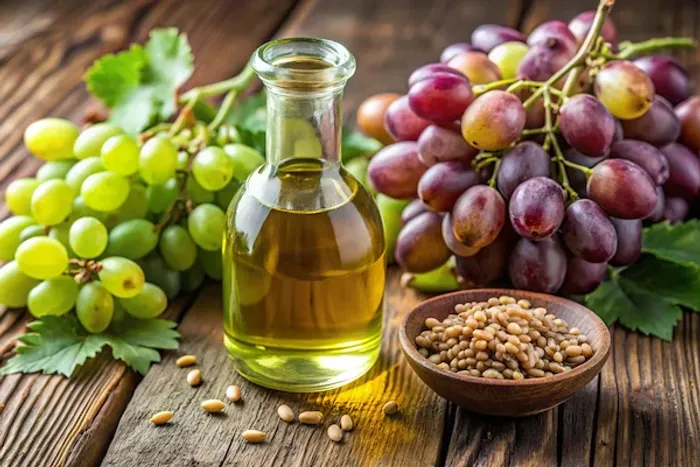
Grapeseed oil is a light, fast-absorbing plant oil extracted from the seeds of grapes, typically as a by-product of winemaking. It is naturally rich in linoleic acid, vitamin E, and other antioxidants that contribute to its emollient and conditioning properties. In hair care, it is valued for its smooth texture, minimal heaviness, and ability to seal moisture into the hair shaft without leaving an overly greasy finish.
Key Takeaways At A Glance
- Softens hair and adds shine
- Helps reduce frizz and tangles
- Supports comfort in dry areas of the scalp
- Cannot regrow hair or treat medical hair loss
- Best suited to fine to medium hair types
- Avoid if you have a grape allergy or an easily congested scalp
Proven Potential Benefits
Scientific and dermatology guidance suggests that grapeseed oil can be a practical addition to a hair care routine, especially if your goal is smoothing, moisturising, or reducing breakage. While the evidence is still developing, several benefits are consistently observed.
Moisturises and Smoothens Hair
- As an emollient, grapeseed oil coats the hair shaft and helps lock in moisture
- Reduces friction during brushing and styling
- Makes strands feel softer and look shinier
Dermatology experts highlight that well-lubricated hair is less prone to snapping because the cuticle experiences less mechanical stress.
Reduces Frizz and Supports Manageability
- A thin oil layer smooths the outer cuticle
- Helps control puffiness and improves slip while detangling
- Reduces static and flyaways without heavy buildup
Because grapeseed oil is especially light, it is a favourite among people whose hair becomes limp when using heavier oils like coconut or olive oil.
Supports Scalp Comfort
- Linoleic acid helps support the skin barrier
- Small amounts applied to dry patches may ease tightness or flakiness
- Works best when rinsed rather than left on for long periods
It is important to distinguish dry scalp from dandruff. Dandruff often relates to yeast overgrowth, which may worsen with leave-on oils. For those with dandruff, medicated shampoos generally remain the first-line treatment.
Antioxidant Support
- Provides vitamin E and plant antioxidants
- Helps protect hair and scalp from environmental oxidative stress
- Evidence for direct growth stimulation is limited
While antioxidants support general skin and scalp health, their impact on hair growth is indirect and modest.
Can Grapeseed Oil Work As a Hair Growth Oil?
There is currently no strong human clinical evidence that grapeseed oil regrows hair or reverses medical hair loss. It does not stimulate follicles in the way that clinically proven treatments do.
What can it do?
- Reduce breakage, helping hair retain its length
- Improve smoothness and appearance
- What can it not do?
- Treat androgenetic alopecia
- Increase the number of active follicles
If hair thinning or shedding is your concern, clinicians commonly recommend evidence-based options such as topical minoxidil. Grapeseed oil can be used alongside medical treatments as a cosmetic conditioner.
How To Use Grapeseed Oil as a Natural Conditioner?
Because grapeseed oil spreads easily and is lightweight, only small amounts are needed.
Patch Test First
- Apply a pea-sized amount to the inner forearm
- Wait 24–48 hours
- Avoid use if redness, stinging, or itching occurs
As a Pre-Shampoo Treatment
- Apply 1–2 teaspoons to dry mid-lengths and ends
- Leave on for 15–30 minutes
- Shampoo and condition as usual
- This method helps combat dryness and reduces friction before washing.
As a Leave-In For Shine and Softness
- Blot clean hair with a towel
- Rub 2–4 drops between your palms
- Apply lightly to mid-lengths and ends
- Avoid the roots to prevent greasiness
As a Scalp Massage (For Dry Areas Only)
- Apply a few drops to the dry spots
- Massage gently for 2–3 minutes
- Shampoo afterwards
If you have dandruff, it is best to avoid leave-on scalp oils entirely.
As a Finishing Touch
- Use 1–2 drops on dry hair to smooth flyaways
- Avoid over-applying to prevent heaviness
Who Benefits Most & Who Should Be Cautious?
The benefits and cautions required for groups are given below:
Great Candidates
- Fine to medium hair types
- People with dry, frizzy, or tangled hair
- Those seeking natural, silicone-free conditioning
Use Cautiously or Avoid
- People with an oily or acne-prone scalp
- Those with active dandruff
- Anyone with a known grape allergy
- People prone to folliculitis
Side Effects and Safety Tips
Although grapeseed oil is generally gentle, some individuals may experience issues.
- Allergic reactions are uncommon but possible
- Too much oil may clog pores and cause folliculitis
- Overuse can weigh down the hair and attract dust
- It should not be used as a heat protectant
Heat-protective products undergo specific testing; oils do not provide the same level of safeguard.
How Grapeseed Oil Compares With Oils?
Grapeseed oil versus other oils:
Coconut Oil
- Penetrates the hair shaft
- Reduces protein loss
- Can feel heavy for finer hair
- Grapeseed oil offers a lighter alternative
Argan Oil
- Rich in fatty acids
- Excellent for shine and frizz control
- Grapeseed oil is generally more affordable and lighter
Jojoba Oil
- Similar composition to natural sebum
- Often tolerated well on the scalp
- Grapeseed oil may feel lighter on the mid-lengths and ends
What Results To Expect and When?
Hair benefits from consistent conditioning, and grapeseed oil can support that process over time.
Immediate Results
- Smoother texture
- Noticeable shine
- Reduced frizz
Short-Term Results (2–4 Weeks)
- Easier detangling
- Decreased breakage
Long-Term Results (8–12 Weeks)
- Healthier-looking ends
- Improved manageability
It is worth remembering that these improvements relate to the condition of the strands, not the rate of new hair growth.
How to Choose and Store Quality Grapeseed Oil?
Tips to pick, store grapeseed oil include:
- Choose pure, cold-pressed oil without added fragrance
- Select a dark or opaque bottle for light protection
- Store in a cool, dry place
- Discard if it develops a sour or rancid smell
Simple Routines
Simple routines worth trying include:
Minimalist Routine
- Apply 2–4 drops after washing
- Smooth through ends
Dry-End Rescue
- Use 1–2 drops on dry ends before bed
- Repeat a few times weekly
Weekly Pre-Shampoo Mask
- Apply 1–2 teaspoons to dry hair
- Leave for 20 minutes
- Shampoo and condition
When To See a Professional?
Seek advice if you experience:
- Sudden or patchy hair loss
- Scalp pain or persistent itching
- Ongoing shedding lasting more than a few months
- Dandruff that does not respond to treatment
- Irritation or breakouts after using oils
Final Word
Grapeseed oil is a lightweight, plant-based option that can act as a gentle, natural conditioner. It helps with softness, shine, and frizz and can reduce breakage with regular use. Just remember: it’s not a proven hair growth oil. For thinning or medical hair loss, talk with a healthcare professional about evidence-based treatments.
Consult a Top Ayurveda Doctor for Personalised Advice
Consult a Top Ayurveda Doctor for Personalised Advice

Dr. Anjan Das
Ayurveda Practitioner
8 Years • Ayurvedacharya ( B.A.M.S )
Dumdum
Vedhive Ayurveda Clinic, Dumdum

Dr. Shiv Prakash Singh
Ayurveda Practitioner
19 Years • BAMS
Kolkata
Vedhive Ayurveda College Street, Kolkata

(50+ Patients)

Dr. Rik Sadhukhan
Ayurveda Practitioner
8 Years • BAMS
Kolkata
Vedhive Ayurveda, Ballygunge, Kolkata
Consult a Top Ayurveda Doctor for Personalised Advice
Dr. Anjan Das
Ayurveda Practitioner
8 Years • Ayurvedacharya ( B.A.M.S )
Dumdum
Vedhive Ayurveda Clinic, Dumdum
Dr. Shiv Prakash Singh
Ayurveda Practitioner
19 Years • BAMS
Kolkata
Vedhive Ayurveda College Street, Kolkata
(50+ Patients)
Dr. Rik Sadhukhan
Ayurveda Practitioner
8 Years • BAMS
Kolkata
Vedhive Ayurveda, Ballygunge, Kolkata
More articles from General Medical Consultation




Frequently Asked Questions
Does Grapeseed Oil Regrow Hair?
No. It is not clinically proven to regrow hair. It helps with softness and breakage but does not stimulate follicles.
Is Grapeseed Oil Safe For Colour-treated Hair?
Generally yes. Apply small amounts to the lengths, avoid saturating the scalp, and do not use it for heat protection.
Can I Use Grapeseed Oil On My Scalp If I Have Dandruff?
It is best avoided. Oils may worsen flaking for some people. Medicated shampoos are typically more effective.
How Often Should I Use Grapeseed Oil?
Start with 1–3 times per week and adjust. Fine or oily hair may need less, whereas very dry or curly hair may tolerate more.
Can I Mix Grapeseed Oil With Other Products?
Yes. Mix a drop into your leave-in conditioner or styling cream. Avoid mixing with strong actives on the scalp unless advised by a clinician.