


Green Peas in Ayurveda: Simple Science-Backed Benefits and Everyday Tips
Discover green peas' benefits in Ayurveda and modern nutrition. Learn how peas support digestion, heart health, and balanced meals, with simple cooking tips.

Written by Dr. J T Hema Pratima
Reviewed by Dr. Dhankecha Mayank Dineshbhai MBBS
Last updated on 13th Jan, 2026
Introduction
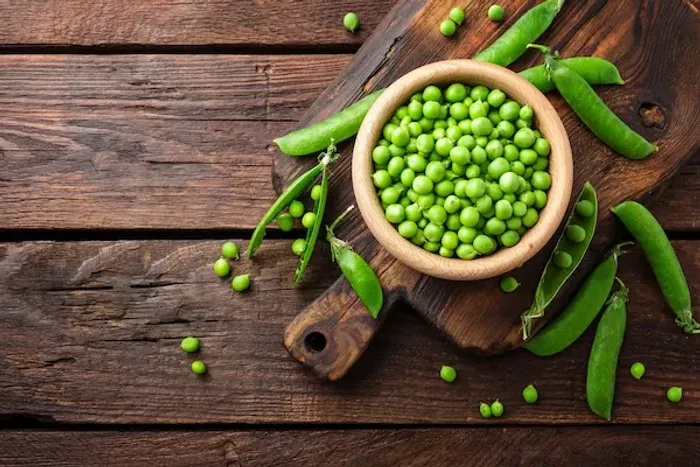
Green peas are small, sweet, and surprisingly powerful. In Ayurveda, they are appreciated for being grounding when cooked well and spiced thoughtfully. In modern nutrition, they shine as a source of plant protein, fibre, and essential nutrients. If you are curious about green peas' benefits for digestion, heart health, and balanced eating, this guide brings together a gentle Ayurvedic lens with clear, evidence-based guidance you can trust.
What makes this topic timely is the growing need for affordable, easy foods that support sustained energy, a healthy gut, and stable blood sugar. Many people are seeking plant-forward options that fit into busy daily routines without feeling restrictive or complicated. Green peas fit this need beautifully, whether enjoyed fresh, frozen, or dried, offering flexible and practical ways to eat more nourishing plant foods while supporting overall wellness.
Consult a Top Ayurveda Doctor for Personalised Advice
Green Peas at a Glance
- What they are: Green peas, often called garden peas, are technically legumes. Fresh and frozen green peas are considered starchy vegetables, while dried split peas are legumes commonly used in soups and dals.
- Why they are helpful: They provide plant protein, dietary fibre, and a broad range of vitamins and minerals. This combination supports fullness, digestive regularity, and nutritionally balanced meals.
- Easy to use: Fresh or frozen peas cook quickly and pair well with herbs and spices, while dried split peas are ideal for slow-cooked soups and hearty stews.
The Ayurvedic View of Green Peas
Ayurveda looks at food through the lens of taste, digestibility, and how a particular ingredient affects balance in the body. While individual responses vary, traditional Ayurvedic kitchens typically approach green peas in ways that prioritise warmth, comfort, and ease of digestion.
- Prefer peas that are well-cooked and served warm, particularly in cooler weather or for those with delicate digestion.
- Add digestive spices such as cumin, ginger, black pepper, coriander, turmeric, and a small pinch of asafoetida (hing) to help minimise gas and bloating.
- Combine peas with ghee or oil and aromatic spices to soothe the digestive process and enhance flavour.
- Pair peas with rice or whole grains in simple, nourishing one-pot dishes that provide balance and satiety.
It is important to remember that Ayurveda is a traditional system of wellness. Its dosha-based recommendations are not a substitute for medical advice, and scientific evidence for dosha balancing remains limited. However, many Ayurvedic cooking practices, such as thorough cooking and the use of warming spices, align with modern understanding of digestive comfort and nutrient absorption.
Evidence-Backed Green Peas Benefits
Green peas contribute to overall health in several meaningful ways. These benefits reflect research on legumes and fibre-rich vegetables more broadly, which includes peas as part of a heart-supportive and gut-friendly dietary pattern.
Digestive Health and Regularity
- The fibre in green peas supports regular bowel movements and promotes smoother digestion.
- A fibre-rich eating pattern can help prevent constipation and maintain healthy gut motility.
- Gradual increases in dietary fibre, paired with sufficient water intake, help reduce bloating as the body adapts. • Regular consumption may support a healthier gut environment, contributing to overall digestive comfort.
Heart Health Support
- Soluble fibre in peas can help support healthy cholesterol levels.
- Diets that include legumes regularly are associated with improved cardiometabolic markers when part of a balanced lifestyle.
- Including peas in meals contributes to heart-friendly patterns that prioritise whole, plant-based foods.
Steadier Energy and Blood Sugar Support
- The fibre and protein in peas slow digestion and help reduce sharp spikes in blood glucose.
- This slower release of energy can support sustained focus and reduced post-meal fatigue.
- Combining peas with whole grains and healthy fats promotes more stable energy throughout the day.
Weight-Friendly and Satisfying Meals
- The protein and fibre combination contributes to fullness and satiety.
- Peas add volume and texture to meals without excessive calories when eaten in reasonable portions.
- Swapping some refined starches for peas can help create more balanced and filling plates.
Everyday Nutrient Density
- Green peas provide vitamins and minerals that contribute to immune function, bone health, and metabolic processes.
- They also contain natural antioxidants found in green vegetables, supporting overall cellular health.
- Frozen peas maintain strong nutritional value due to being frozen shortly after harvest.
Green Peas Benefits in Ayurveda-Inspired Meals
Ayurveda places emphasis on preparation methods that enhance digestibility and comfort, especially for legumes.
Cooking Tips to Reduce Gas and Increase Comfort
- Cook peas thoroughly until soft and easy to mash between fingers.
- Use digestive spices such as cumin, coriander, ginger, turmeric, fennel, black pepper, and a pinch of asafoetida.
- Add aromatics like garlic and onions if they suit your digestion.
- Start with smaller portions and gradually increase as tolerance improves.
- Add a squeeze of lemon or lime to support flavour and mineral absorption.
Simple Meal Ideas
- Spiced pea soup simmered with onion, garlic, cumin, coriander, and turmeric for warmth and comfort.
- Peas and rice are one-pot cooked with ginger, cumin, and ghee for an easy, soothing meal.
- Vegetable stir-fries enhanced with peas for added colour, texture, and protein.
- Pea and mint mash blended with olive oil, lemon, and herbs as a light, refreshing side.
Fresh, Frozen, or Canned: Making the Right Choice
- Fresh peas are seasonal and offer delicate sweetness when used soon after purchase.
- Frozen peas are convenient and often nutritionally comparable to fresh due to rapid freezing.
- Canned peas can be useful but may contain added sodium, so rinsing and choosing low-sodium options is advisable.
Portions and How Often to Eat Peas
- A practical serving size is about half a cup of cooked peas.
- This pairs well with grains, vegetables, and protein sources within balanced meals.
- Aim to include legumes, including peas, several times per week.
- Rotating peas with lentils, chickpeas, and beans adds diversity and supports gut health.
Who Might Need Extra Care with Peas?
- Sensitive digestion or IBS: Try smaller portions, cook thoroughly, and include digestive spices to improve tolerance.
- Kidney disease: Seek specific guidance on suitable portions due to potassium and phosphorus content.
- Sodium concerns: Choose low-sodium varieties and rinse before use.
- Potential allergies: If you have known legume allergies, consult your clinician before adding peas to your diet.
How Ayurveda and Modern Nutrition Work Together?
- Ayurveda encourages individual awareness and mindful preparation of foods.
- Modern nutrition stresses the importance of overall dietary patterns rather than single foods.
- Together, they support balanced eating through thoughtful cooking and nutrient-rich meals
Conclusion
Green peas offer a simple yet powerful way to enhance everyday meals with fibre, plant protein, and essential nutrients. When cooked thoughtfully and paired with appropriate spices, they fit comfortably into both Ayurvedic-inspired and modern dietary patterns. Their ability to support digestion, steady energy, and heart health makes them a valuable addition to balanced eating. Whether enjoyed in warming soups, comforting rice dishes, or fresh vegetable mixes, green peas bring nourishment without complexity. With mindful preparation and regular inclusion, they can support long-term wellbeing gently and sustainably.
Consult a Top Ayurveda Doctor for Personalised Advice
Consult a Top Ayurveda Doctor for Personalised Advice

Dr. Anjan Das
Ayurveda Practitioner
8 Years • Ayurvedacharya ( B.A.M.S )
Dumdum
Vedhive Ayurveda Clinic, Dumdum

Dr. Shiv Prakash Singh
Ayurveda Practitioner
19 Years • BAMS
Kolkata
Vedhive Ayurveda College Street, Kolkata

(50+ Patients)

Dr. Rik Sadhukhan
Ayurveda Practitioner
8 Years • BAMS
Kolkata
Vedhive Ayurveda, Ballygunge, Kolkata
Consult a Top Ayurveda Doctor for Personalised Advice
Dr. Anjan Das
Ayurveda Practitioner
8 Years • Ayurvedacharya ( B.A.M.S )
Dumdum
Vedhive Ayurveda Clinic, Dumdum
Dr. Shiv Prakash Singh
Ayurveda Practitioner
19 Years • BAMS
Kolkata
Vedhive Ayurveda College Street, Kolkata
(50+ Patients)
Dr. Rik Sadhukhan
Ayurveda Practitioner
8 Years • BAMS
Kolkata
Vedhive Ayurveda, Ballygunge, Kolkata
More articles from General Medical Consultation



Frequently Asked Questions
Are green peas good for digestion?
Yes. Green peas provide dietary fibre, which supports regular bowel movements and gut health. Increase portions gradually and drink enough water. Cooking peas until soft and using spices like cumin and ginger can make them easier to digest.
Do green peas help with heart health?
A fibre-rich eating pattern that includes legumes like peas can support healthy cholesterol levels and overall heart health when combined with an active lifestyle and balanced meals.
Are frozen peas as nutritious as fresh?
Frozen peas are typically frozen soon after harvest, which helps preserve nutrients. They’re an excellent, convenient choice, especially when fresh peas aren’t in season.
Can people with diabetes eat green peas?
In appropriate portions, peas can fit into balanced meals for people managing blood sugar. Their fibre and protein help slow digestion. Pair peas with non-starchy vegetables, lean proteins, and healthy fats for steadier energy. As always, follow your clinician’s specific guidance.
How can I reduce gas from peas?
Cook peas thoroughly, start with small portions, and use digestive spices such as cumin, coriander, ginger, fennel, and a pinch of asafoetida (hing). Rinsing canned peas and chewing slowly may also help.