


Green Tea Benefits: Health, Weight Loss, and Antioxidants
Discover green tea benefits for heart health, weight loss, and antioxidants. Learn how a gentle metabolism boost fits into a safe, science-backed routine.

Written by Dr. Mohammed Kamran
Reviewed by Dr. Dhankecha Mayank Dineshbhai MBBS
Last updated on 13th Jan, 2026
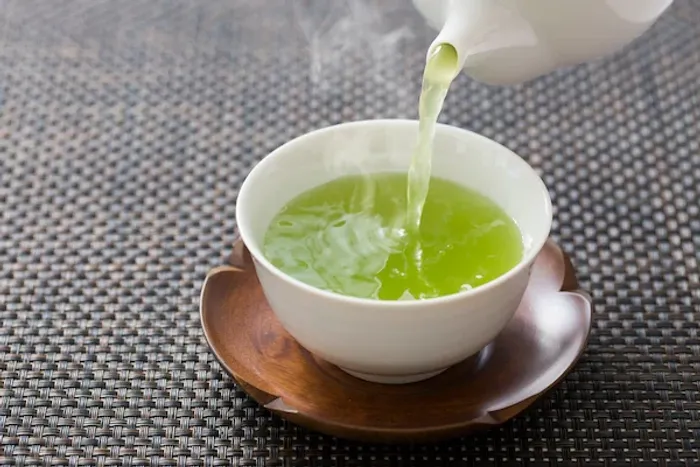
Introduction
Green tea has been enjoyed for centuries, but science has only recently begun to unpack why so many people feel better when they make it part of their day. From potential heart-health support to a mild metabolism boost that may aid weight management, green tea’s mix of antioxidants and natural caffeine has sparked interest among people seeking simple, everyday health habits. This article explains what the research says about green tea benefits, how to use it safely, and realistic ways it can fit into your routine.
What’s In Green Tea?
Green tea comes from the Camellia sinensis plant. The leaves are gently processed, which helps preserve key compounds:
- Catechins (antioxidants), especially EGCG (epigallocatechin gallate)
- Caffeine (less than coffee, typically)
- L-theanine (an amino acid that may promote calm alertness)
These components are believed to work together to support alertness, heart health, and cellular protection. The overall effect is modest but meaningful when paired with other healthy habits.
Key Green Tea Benefits for Health
Heart Health and Cholesterol
- Observational research has linked regular tea drinking with a lower risk of heart disease. Some clinical studies suggest that catechin-rich green tea may help modestly lower LDL (“bad”) cholesterol and blood pressure over time.
- Antioxidants in green tea may help protect LDL from oxidation, a process tied to artery plaque formation. While not a replacement for prescribed treatments, green tea can be a helpful daily beverage alongside heart-healthy eating, movement, and routine medical care.
Brain Function and Steady Energy
- The combination of caffeine and L-theanine can enhance alertness and attention without the jittery feeling some people get from coffee.
- Green tea’s milder caffeine content makes it a practical option for daytime focus. Still, sensitivity varies: if you’re prone to caffeine-related sleep problems, enjoy it earlier in the day.
Weight Management and a Gentle Metabolism Boost
- Green tea is often discussed for weight loss because caffeine and catechins can slightly increase daily calorie burn and fat oxidation. This metabolism boost is real but modest. On its own, it’s unlikely to cause large weight changes.
- Where green tea can shine: as part of a bigger plan, nutritious meals, regular activity, and good sleep. Used this way, it may help support little, steady progress.
Blood Sugar Support
- Some studies suggest green tea may help with small improvements in fasting blood sugar or insulin sensitivity. Results are mixed, and green tea should not replace diabetes medications or medical guidance.
- If you have diabetes, talk with your clinician about how green tea fits into your plan, especially if you use supplements (which can be more concentrated than brewed tea).
Antioxidants for Cellular Health
- Green tea’s catechins act as antioxidants, helping counter everyday oxidative stress. This is one reason it’s studied for heart health and general wellness.
- While lab studies are promising, large-scale human trials show modest, not dramatic, effects. Think of green tea as a supportive habit, not a cure-all.
Hydration and Everyday Wellness
- Despite containing caffeine, tea still contributes to daily hydration for most people.
- Compared with high-sugar beverages, unsweetened green tea offers flavor with virtually no calories, making it a smart swap to reduce added sugar.
Consult Top Specialists Here
How to Get the Most from Green Tea?
Choose Quality and Brew Gently
- Water temperature: Aim for hot but not boiling (about 160–185°F or 70–85°C) to reduce bitterness and preserve delicate flavors.
- Steeping time: 2–3 minutes for most varieties. Longer steeping increases bitterness and caffeine.
- Loose leaf vs. bags: Both can be good. Choose reputable brands and store tea in a cool, dark place to protect its antioxidants.
Timing Tips
- If you’re sensitive to caffeine or have sleep issues, enjoy green tea earlier in the day.
- Tea polyphenols can reduce the absorption of non-heme iron (the type in plant foods). If you have an iron deficiency or are at risk, consider having green tea between meals rather than with iron-rich foods.
Skip Excess Sugar
- To keep calories low and protect dental health, avoid adding a lot of sugar or sweet syrups. If you like the flavor, try lemon or a cinnamon stick.
Tea vs. Supplements
- Most people do well with brewed green tea. High-dose green tea extracts in pills or powders can cause side effects, including rare cases of liver injury. If you’re considering supplements, talk with your healthcare provider first.
Safe Use and Side Effects: What to Know?
Caffeine Sensitivity
- Possible effects include nervousness, faster heartbeat, stomach upset, and trouble sleeping, especially if you drink multiple cups or are sensitive to caffeine.
- If you’re pregnant, breastfeeding, have anxiety, heart conditions, reflux, or insomnia, discuss caffeine limits with your clinician.
Interactions and Medical Conditions
- Green tea can interact with certain medications and conditions. If you take prescription medicines or have chronic health issues, ask your healthcare provider how green tea fits into your plan.
Liver Safety With Supplements
- Rare cases of liver problems have been reported with some concentrated green tea extracts. Stop supplements and seek medical advice if you develop symptoms such as dark urine, jaundice, severe fatigue, or right‑upper abdominal pain. Brewed tea at typical amounts is generally well tolerated for most adults.
Temperature Matters
- Very hot beverages (above about 65°C/149°F) can irritate the esophagus and have been linked to increased esophageal cancer risk. Let your tea cool a bit before sipping.
Realistic Expectations for Weight Loss
Green tea can support weight goals indirectly through a small metabolism boost and as a low-calorie drink that replaces sugary beverages. For meaningful, lasting weight loss:
- Focus on balanced meals rich in vegetables, lean proteins, whole grains, and healthy fats.
- Stay active most days (mix cardio and strength training).
- Prioritize sleep and stress management, which affect appetite and metabolism.
- Green tea works best as a steady, enjoyable habit, not a quick fix.
Sample Daily Routine
- Morning: Brew a cup to kickstart alertness and focus.
- Midday: Swap a sugary drink for iced green tea with lemon.
- Afternoon: If caffeine affects your sleep, choose decaf green tea or a smaller cup earlier in the afternoon.
- Between meals: Enjoy tea away from iron-rich meals if you have concerns about iron absorption.
Consult Top Specialists Here
Consult Top Specialists Here

Dr. Vivek D
General Physician
4 Years • MBBS
Bengaluru
PRESTIGE SHANTHINIKETAN - SOCIETY CLINIC, Bengaluru

Dr. Anand Ravi
General Physician
2 Years • MBBS, FEM
Bengaluru
PRESTIGE SHANTHINIKETAN - SOCIETY CLINIC, Bengaluru

Dr Syed Mateen Pasha
General Physician
2 Years • MBBS
Bengaluru
PRESTIGE SHANTHINIKETAN - SOCIETY CLINIC, Bengaluru

Dr. Harshendra Jaiswal
General Physician/ Internal Medicine Specialist
12 Years • MBBS , MD (General medicine)
Kolkata
108 DHANA DHANVANTARI Clinic, Kolkata

(25+ Patients)

Dr. Samir Dasgupta
Internal Medicine Specialist Diabetologist
40 Years • M.B.B.S., M.D. (Internal Medicine)
Kolkata
Apollo Hospitals, Narendrapur, Kolkata, Kolkata
Consult Top Specialists Here
Dr. Vivek D
General Physician
4 Years • MBBS
Bengaluru
PRESTIGE SHANTHINIKETAN - SOCIETY CLINIC, Bengaluru
Dr. Anand Ravi
General Physician
2 Years • MBBS, FEM
Bengaluru
PRESTIGE SHANTHINIKETAN - SOCIETY CLINIC, Bengaluru
Dr Syed Mateen Pasha
General Physician
2 Years • MBBS
Bengaluru
PRESTIGE SHANTHINIKETAN - SOCIETY CLINIC, Bengaluru
Dr. Harshendra Jaiswal
General Physician/ Internal Medicine Specialist
12 Years • MBBS , MD (General medicine)
Kolkata
108 DHANA DHANVANTARI Clinic, Kolkata
(25+ Patients)
Dr. Samir Dasgupta
Internal Medicine Specialist Diabetologist
40 Years • M.B.B.S., M.D. (Internal Medicine)
Kolkata
Apollo Hospitals, Narendrapur, Kolkata, Kolkata
More articles from General Medical Consultation




Frequently Asked Questions
How many cups of green tea should I drink per day?
Moderate intake works well for most healthy adults. Many studies use anywhere from 2 to 4 cups per day. Start with 1 cup and see how you feel, especially if you’re sensitive to caffeine.
Can green tea help me lose weight?
It can help a little by providing a metabolism boost and replacing high-calorie drinks, but the effect is modest. The biggest drivers of weight loss are a healthy diet, regular physical activity, good sleep, and consistency over time.
Is bottled green tea as healthy as brewed?
It depends. Some bottled teas contain added sugars and may be lower in catechins due to processing. Check labels and choose unsweetened options when possible. Freshly brewed tea usually offers more control over ingredients and taste.
Does green tea have side effects?
Possible side effects include jitteriness, upset stomach, or sleep problems from caffeine. High-dose green tea extracts (not typical brewed tea) have been linked to rare liver issues. If you notice unusual symptoms, stop and talk with your clinician.
Should I drink green tea hot or cold?
Either is fine. Let hot tea cool a bit before drinking to avoid very high temperatures. Cold-brewed or iced green tea can be a refreshing, low-calorie option, especially if you skip added sugars.